
Last updated October 30, 2026
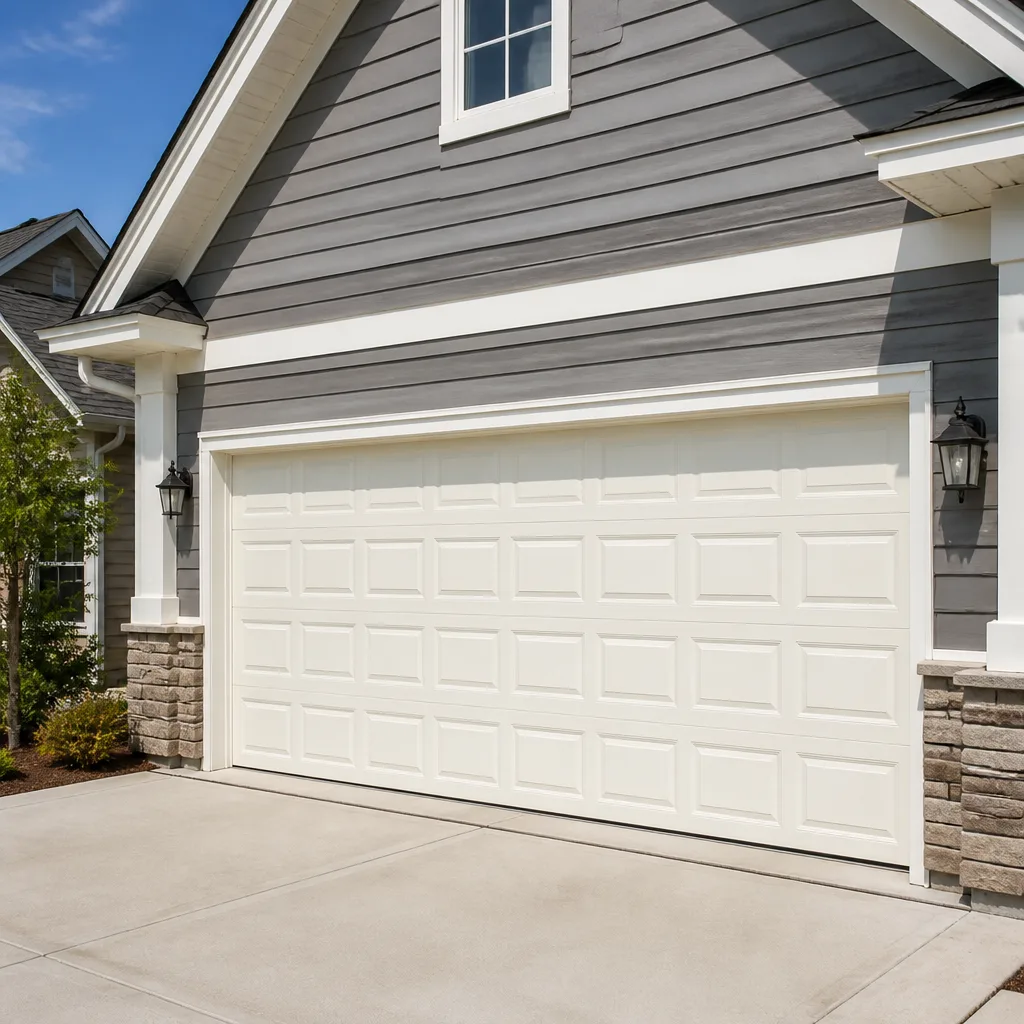 Raised-panel steel
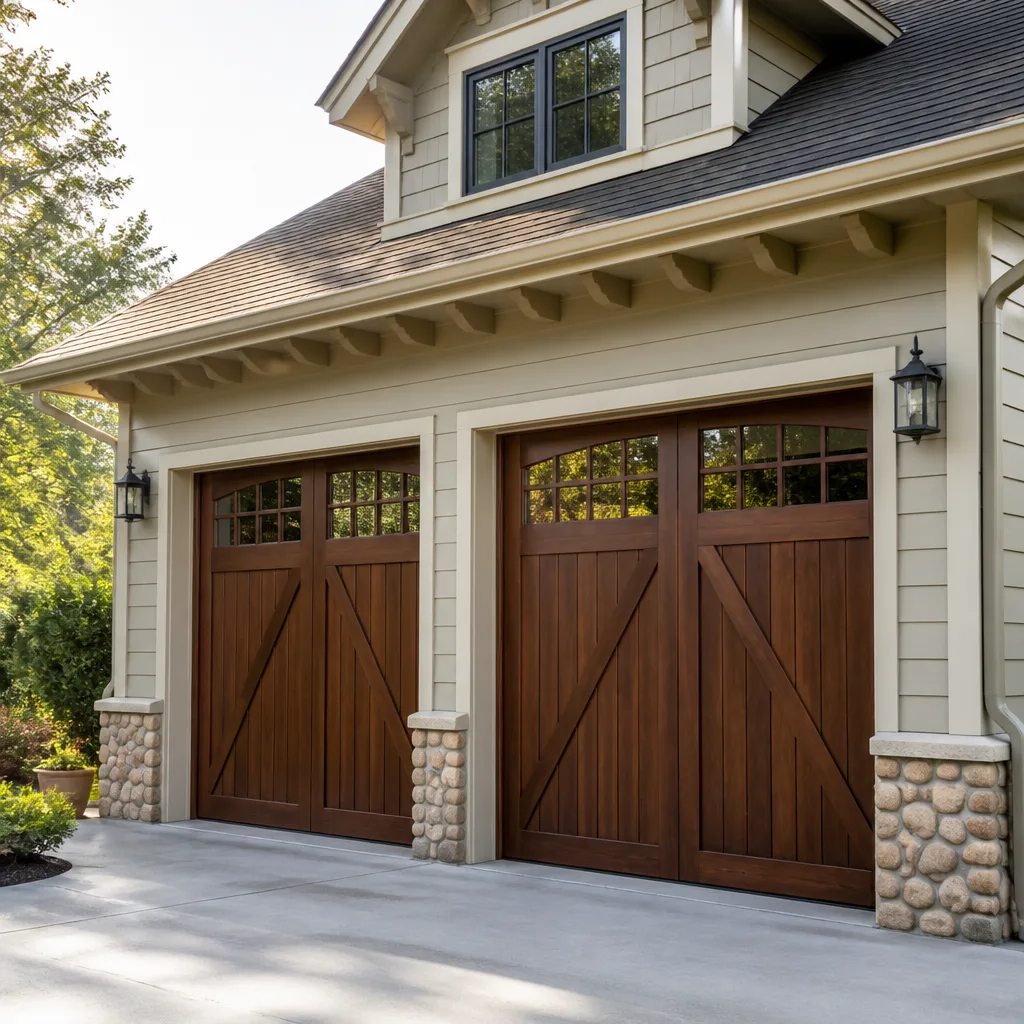 Carriage house
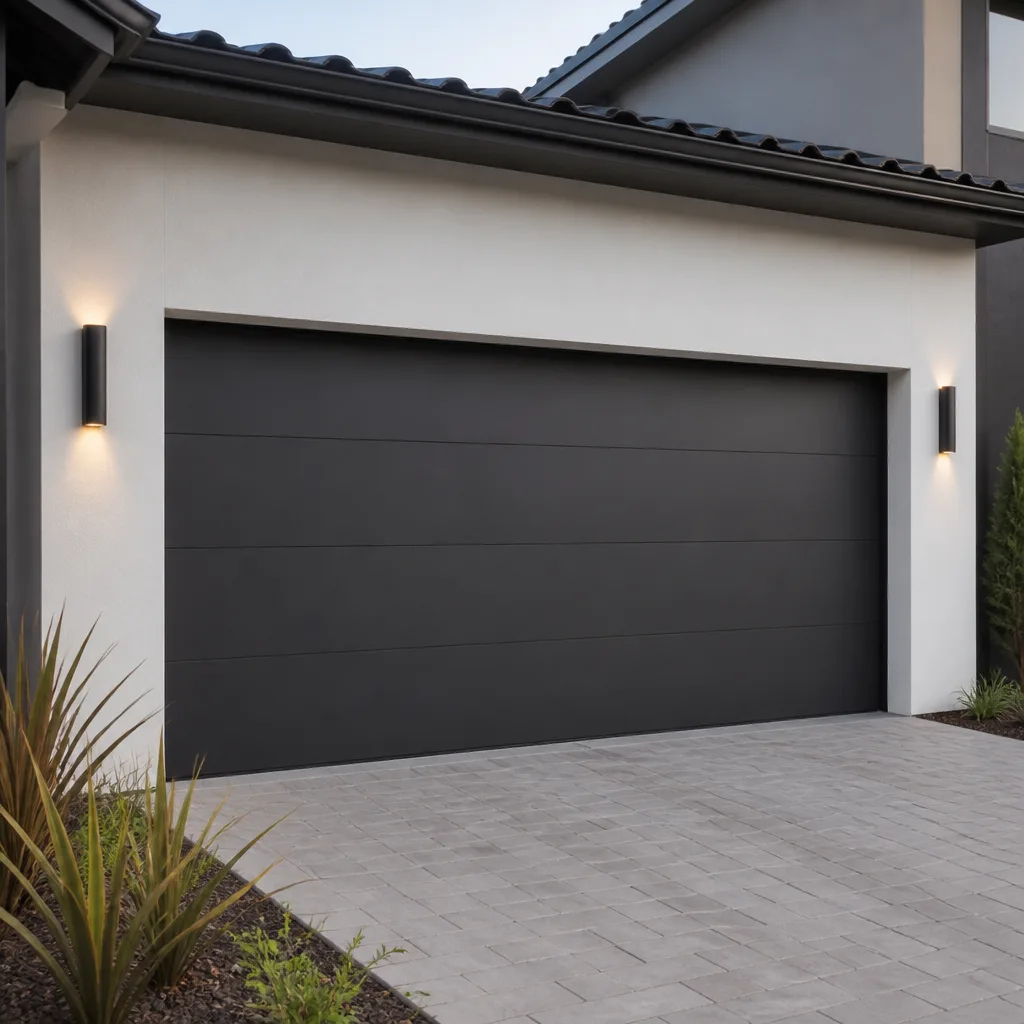 Modern flush
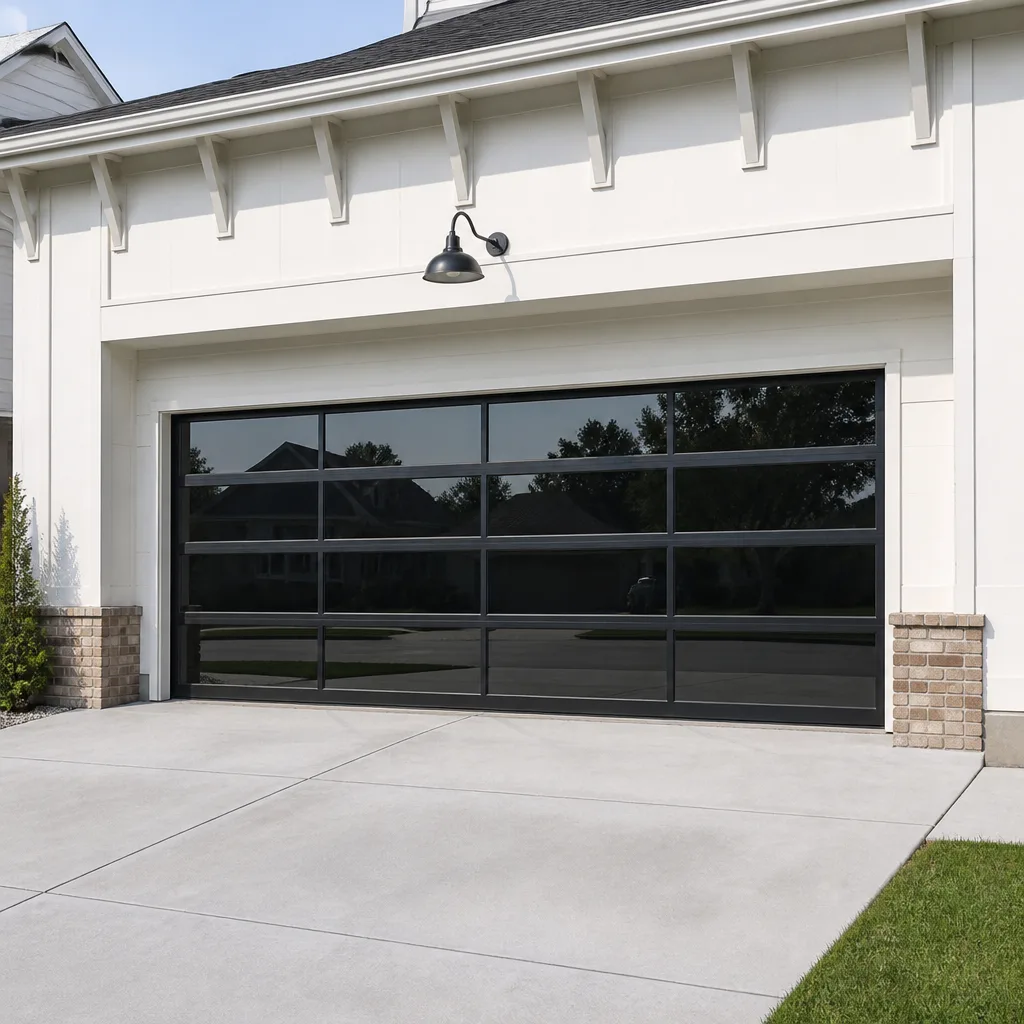 Full-view glass
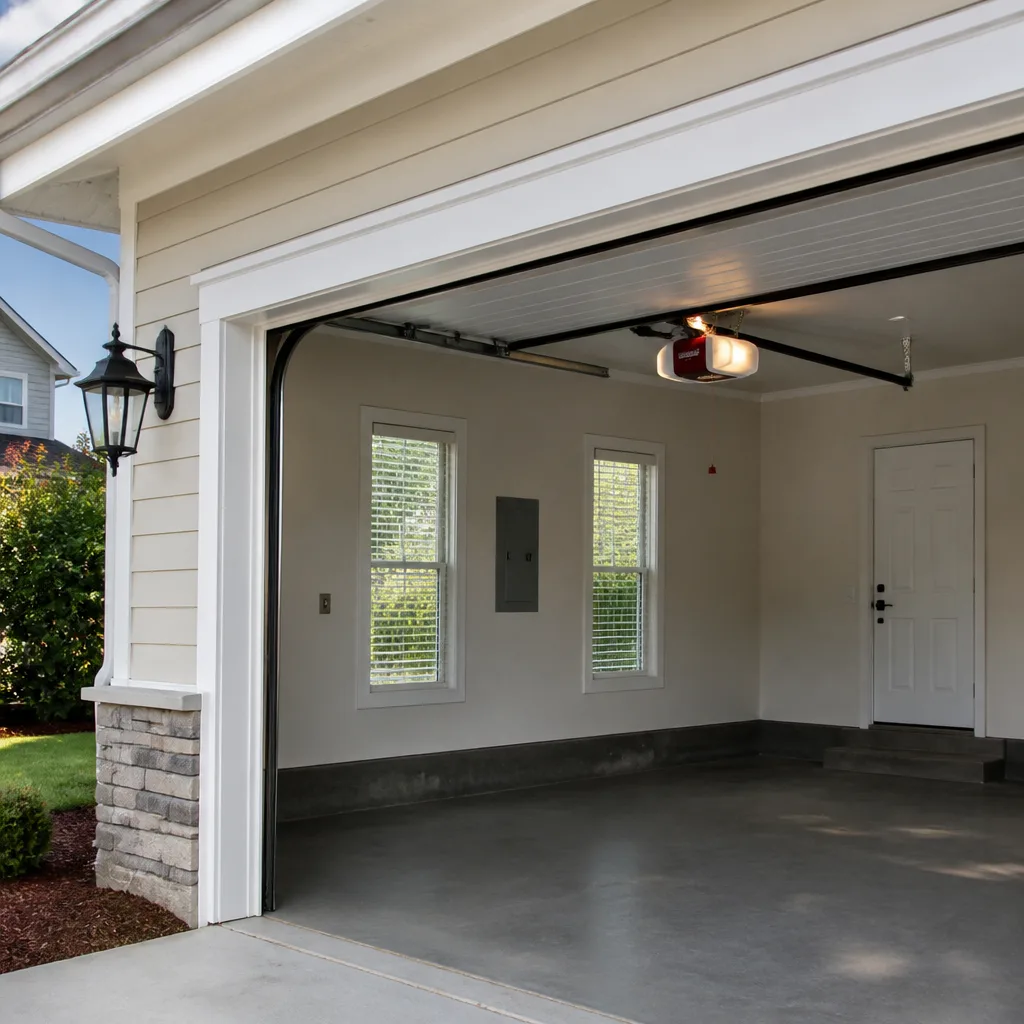 LiftMaster openers
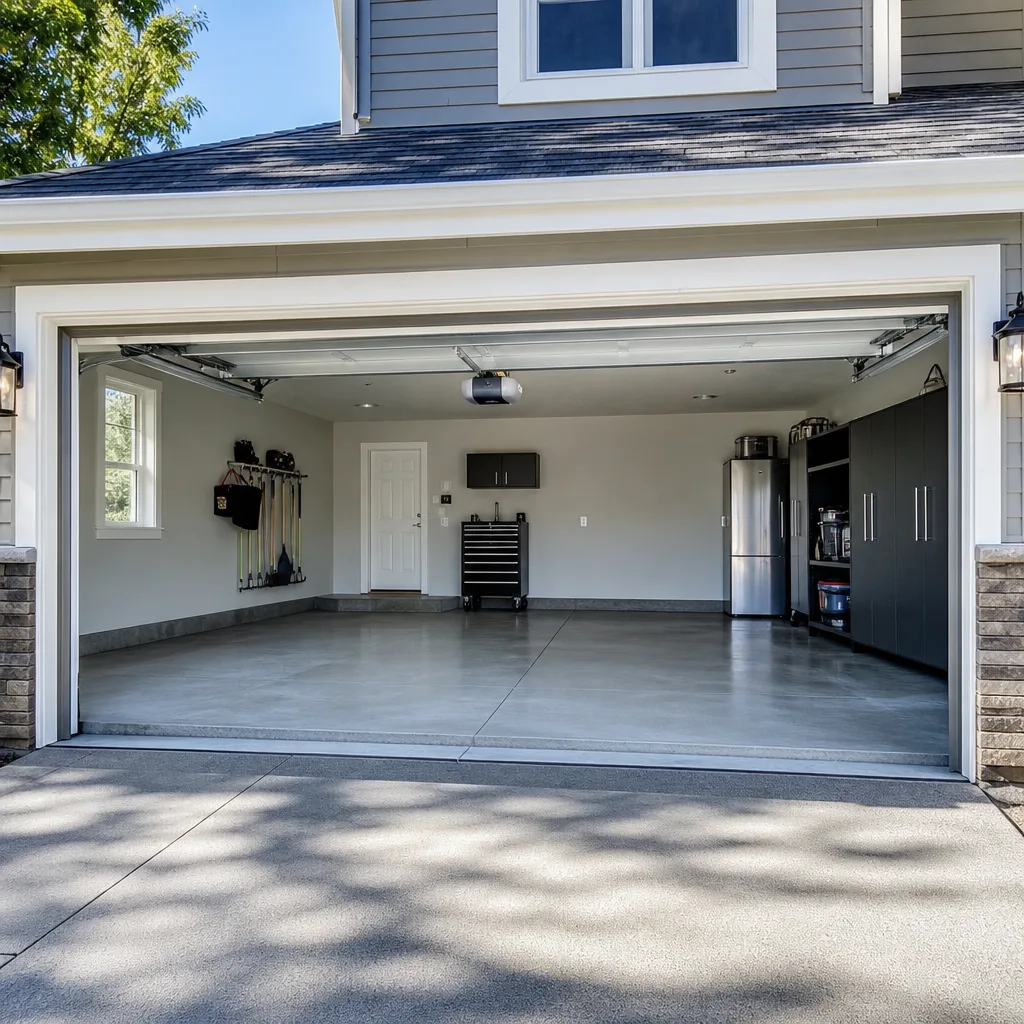 Chamberlain openers
Full 25-point door and opener safety check with every visit - springs, cables, rollers, tracks, and your LiftMaster or Chamberlain opener included
You get a price before we start. It does not change when the truck arrives.
Get your free estimateThe Complete Garage Door Repair Guide for Huntington Beach Homeowners
Here’s a fact most Huntington Beach homeowners don’t know until it costs them money: a garage door that refuses to close is rarely broken. It’s almost always a misaligned photo-eye sensor, a five-minute fix that requires nothing more than a gentle nudge and a wipe of the lens. Knowing that one detail can save you a $150 service call. The Complete Guide to Garage Door in Huntington Beach maps every common garage door failure to its actual repair category, so when you do call a technician, you’ll already know whether you’re looking at a $40 adjustment or a $400 spring replacement. We’ll cover coastal-specific wear patterns, brand quirks, what a legitimate estimate should include, and how to keep your door running through salt air and Santa Ana winds.
Styles & brands we work with
Quick Answer
Our Garage Door Repair services in Huntington Beach typically fall into three tiers: sensor and alignment fixes under $150, spring and cable replacements between $180 and $400, and full door replacement starting around $1,200. Most non-spring problems can be diagnosed by the homeowner in under ten minutes. The one repair you should never attempt yourself is torsion spring replacement, which carries serious injury risk and requires specialized winding bars and training.
Table of Contents
- Why Huntington Beach’s Coastal Climate Changes Everything
- The DIY vs. Professional Decision Tree
- Torsion vs. Extension Springs: What Actually Breaks
- Garage Door Opener Problems: What the Blinking Lights Mean
- Brand-Specific Quirks: LiftMaster, Chamberlain, Genie, and Raynor
- Anatomy of a Legitimate Huntington Beach Repair Estimate
- Seasonal Maintenance Calendar for Coastal Southern California
- When Repair Isn’t Worth It: Replacement Signals
Why Huntington Beach’s Coastal Climate Changes Everything
Salt air does to garage door hardware what it does to everything else in Huntington Beach: it corrodes it faster than the manufacturer ever intended. Homes within two miles of Pacific Coast Highway experience measurably higher rates of roller bearing failure, hinge seizure, and track rust than properties in inland Orange County. The humidity swings don’t help either. Morning marine layer leaves moisture sitting on steel components, and by afternoon the air dries out and the metal expands. Repeat that cycle a few hundred times a year and you get hardware that loosens, rollers that grind, and seals that crack.
In our experience across Huntington Harbour, Downtown Huntington Beach, and the neighbourhoods off Edwards Street, the most common coastal-specific failures are:
- Bottom seal rot: The rubber strip along the bottom of your door hardens and cracks within three to five years near the coast. We typically replace them every two to three years for beach-adjacent homes.
- Torsion spring rust: Springs don’t fail from age alone. Salt accelerates surface rust, which creates micro-abrasions that lead to spring fracture. A spring that would last ten years in Riverside might last six in Huntington Beach.
- Track corrosion: Galvanized tracks hold up fine, but the bolts and brackets that secure them to the wall collect salt deposits. A corroded bracket can allow the track to flex, which throws off alignment.
- Roller bearing fatigue: Nylon rollers survive coastal conditions better than steel rollers, but their internal bearings wear faster when exposed to salt-laden air. Worn rollers make the door louder and put extra strain on the opener motor.
What this means practically: Huntington Beach homeowners should expect to replace springs, seals, and rollers on a slightly shorter cycle than the national average. It’s not poor quality hardware. It’s the environment.
The DIY vs. Professional Decision Tree
Before you touch anything, here’s a quick way to categorize your problem. We’ve organized this by symptom because that’s how most people describe the issue to us on the phone, and you can find more guides & resources on our blog.
- The door won’t close and the sensor lights blink. This is a photo-eye alignment issue. Safe to check yourself. Look for a small green or red light on each sensor mounted near the floor on either side of the door. If one light is off or blinking, the lenses aren’t facing each other. Gently push the sensor housing until the light turns solid. Wipe both lenses with a dry cloth. If that solves it, you’ve saved a service call. If the lights are solid and the door still reverses, the issue may be the sensor wiring or the logic board, which is a professional repair.
- The door opens but doesn’t close, or vice versa. Likely a limit switch problem on the opener. You can sometimes fix this by adjusting the limit settings per your opener’s manual. If the door travels too far in one direction, it thinks it’s hit an obstacle and reverses. This is moderately DIY-friendly if you’re comfortable reading an owner’s manual.
- The door makes a loud bang and now sits crooked. A spring has snapped. Do not attempt to fix. This is a professional-only repair. A broken torsion spring releases stored energy and the door becomes dangerously heavy, often exceeding 150 pounds with the spring force gone.
- The door grinds or scrapes when opening. Usually a roller or track issue. You can visually inspect the track for bends and the rollers for visible wear. Spraying a silicone lubricant on the track can quiet a noisy door temporarily, but bent tracks and worn rollers need replacement by a tech.
- The remote works intermittently. Try replacing the battery first. If the problem persists, the issue may be signal interference or a failing receiver board. Some homeowners solve this with a new remote or keypad. If a second remote also works poorly, it’s the opener’s receiver, not your remote.
The line between DIY and professional is fairly simple: if the repair involves the spring, the cables, or the opener motor, call a professional. These components store energy or require calibration that isn’t safe to learn from a YouTube video. If it involves sensors, remotes, or lubrication, you can likely handle it with basic tools.
Torsion vs. Extension Springs: What Actually Breaks
Most Huntington Beach homes built after 1990 use torsion springs, which mount horizontally above the door opening. These are thick, oil-tempered springs that twist to store lifting force. Older homes, particularly in the South Huntington Beach and Oak View neighbourhoods, often have extension springs mounted along the horizontal tracks on either side.
Torsion springs are the more reliable design, but they fail suddenly and loudly. The average torsion spring is rated for 10,000 to 15,000 open/close cycles, which translates to about seven to ten years of daily use. When one breaks, the metal snaps with a noise that sounds like a firecracker going off in the garage. The door will usually sit crooked because only one side has lifting force.
Extension springs fail more gradually. They stretch over time, losing tension until the door gets progressively heavier to lift manually or the opener motor starts straining. You can often spot a frayed cable or a visible gap between coils before the spring completely fails.
Cost reality in Huntington Beach: Replacing a pair of torsion springs typically runs between $180 and $340 including parts and labor. Extension springs are slightly cheaper, usually $150 to $250 for the pair. The price varies based on spring size, cycle rating, and accessibility of the installation. High-cycle springs, which are rated for 25,000 to 50,000 cycles, cost more upfront but are a sensible upgrade for beach-adjacent homes where rust shortens spring life.
We strongly recommend replacing both springs even if only one has broken. Springs are installed in pairs and they wear at the same rate. Replacing only the broken spring means the other one is living on borrowed time, and you’ll be paying for a second service call sooner than you think.
Garage Door Opener Problems: What the Blinking Lights Mean
Modern openers don’t just stop working; they tell you what’s wrong. The table below covers the diagnostic patterns for the most common brands we service in Huntington Beach. A blinking light or a flashing error code is your opener trying to communicate. Read it before you unplug anything.
- LiftMaster and Chamberlain openers share parent technology, so their error patterns are often identical. One upward arrow and one downward arrow blinking together usually means a wiring issue with the safety sensors. Two upward arrows and two downward arrows means a logic board fault. Four upward arrows and six downward arrows indicates a motor circuit failure. We see this last one frequently in homes where the opener is more than ten years old and has been operating against stiff rollers or misaligned tracks.
- Genie openers use a different system: a red light that blinks in sequences. One blink followed by a pause means a sensor obstruction. Two blinks indicates a door obstruction in the travel path. Three blinks typically signals a force setting problem. Genie’s older models in Huntington Beach homes often show three-blink patterns when the force settings haven’t been adjusted to compensate for age-related track friction.
- Craftsman openers from the 1990s and early 2000s, which we still regularly service in Huntington Beach, use an LED that flashes a number. A flashing “1” means a sensor issue. Flashing “3” means the door is moving too slowly, often due to failing rollers. Flashing “5” means the motor overheated, which happens more often during heat waves when the garage is poorly ventilated.
Raynor openers are less common in Southern California, but many Raynor systems sold in the mid-2000s use Chamberlain-derived logic boards and show similar codes to LiftMaster units. If you have a Raynor with an error code on the display, a photo of the display helps us diagnose it before we dispatch a truck.
Brand-Specific Quirks: LiftMaster, Chamberlain, Genie, and Raynor
Here’s something most homeowners don’t realize: a Chamberlain and a LiftMaster opener made in the same year often share the same motor, but their error reporting and remote compatibility differ. Chamberlain is the consumer-facing brand; LiftMaster is the professional-install brand from the same parent company. Both are solid openers, but LiftMaster units generally use a stronger rail system and more robust circuit boards designed for heavier use.
In Huntington Beach, we see a lot of LiftMaster 8500 and 8500W units, which are jackshaft openers mounted on the wall beside the door rather than on the ceiling. They’re popular in garages with high ceilings or ceiling storage racks. They’re also more susceptible to cable tension sensor issues than traditional ceiling-mounted openers. If a LiftMaster 8500 stops mid-open and flashes a code, it’s often the cable tension monitor, not the motor.
Chamberlain units with Wi-Fi and MyQ connectivity sometimes lose connection in beach-area garages with poor signal penetration through stucco and metal doors. If your app works inconsistently, check whether the opener’s Wi-Fi indicator is solid. A simple router reboot often restores connectivity. If it doesn’t, the opener’s logic board may need a reset, which is a short service call.
Genie openers deserve credit for their straightforward physical design. The chain-drive models from the mid-2000s are among the easiest units to service. The trade-off is that Genie’s wall consoles and remotes use a proprietary frequency in some older models, so replacing a remote requires matching the exact model number. We keep a reference sheet for these because guessing wastes time.
Raynor, while less common in Huntington Beach than in the Midwest, makes a solid door and a reasonable opener. The quirk with Raynor is parts availability. Because Raynor has a smaller dealer network in California, some replacement boards and remotes take longer to source than LiftMaster or Chamberlain parts. It’s one reason many Raynor homeowners in Huntington Beach eventually upgrade to a more widely supported opener when the old one fails.
Anatomy of a Legitimate Huntington Beach Repair Estimate
You should know what a fair estimate looks like before you call anyone. Here’s what we include on every repair estimate for Huntington Beach homeowners, and what you should ask about if these items are missing or suspiciously vague.
- Diagnosis description: The estimate should state what’s wrong in plain language. “Spring failure: left torsion spring snapped at coil 48” is legitimate. “Door not working, repair needed” is not. If the tech can’t tell you what’s broken before quoting a price, that’s a red flag.
- Parts breakdown: You should see the specific part, brand, and cycle rating where applicable. A spring quote should say “Pair of 0.225 x 2 x 27 torsion springs, 20,000 cycle rating.” If it just says “springs,” ask for details. The difference between a 10,000-cycle spring and a 20,000-cycle spring often costs $30 to $50 and is worth knowing.
- Labor: Expect labor to be itemized separately from parts. Torsion spring replacement typically includes 45 to 90 minutes of labor. If labor seems excessively high relative to the part cost, ask what the labor includes. A legitimate tech will explain.
- Service call fee policy: Some companies charge a trip charge even if you decline the repair. Others waive it if you proceed with the work. We’re upfront about this before we dispatch. Any company that springs a trip charge on you after the fact is not one to work with again.
- Guarantee terms: Ask what the warranty covers and for how long. Springs should carry at least a one-year parts warranty, and better springs carry longer. Openers from LiftMaster and Chamberlain usually carry a manufacturer warranty, but the installation labor warranty is on the installer.
The price should be quoted and agreed before any work starts. You should never sign an open-ended estimate or authorize a blank check. A legitimate Huntington Beach garage door company will give you a firm number, explain the scope, and let you make an informed decision.
Seasonal Maintenance Calendar for Coastal Southern California
Huntington Beach doesn’t have a traditional winter, but the seasonal calendar still matters for your garage door. Here’s the maintenance rhythm we recommend to our customers from Sunset Beach to the Wetlands.
Spring (March – May)
This is the season we see the most spring failures. The cool, damp winter has deposited salt and moisture on the springs, and the first heat waves of late spring cause the metal to expand and contract rapidly. Test your door balance monthly in spring: disconnect the opener with the release cord and lift the door manually. It should stay in place when you open it halfway. If it drops or feels heavy, call for a spring check before it fails.
Summer (June – August)
Heat and humidity put extra friction on rollers and track systems. Lubricate the hinges, rollers, and springs with a silicone-based garage door lubricant. Avoid WD-40, which is a solvent that strips residual lubricant and accelerates wear. Check the bottom seal for cracks, particularly if your garage faces the afternoon sun.
Fall (September – November)
Santa Ana winds bring dust and airborne grit that settle into track channels and photo-eye lenses. Clean both sensor lenses with a dry cloth and vacuum out the track channels. Loose dust on a sensor lens is one of the most common causes of fall-time “phantom” reversals in Huntington Beach.
Winter (December – February)
The cooler, damper air means contracts. Bolts and brackets shrink slightly, and the combination of moisture and cool temperatures makes a misaligned track worse. Spend ten minutes checking that all track bolts are snug and that the weatherstripping along the sides is intact. These minor adjustments prevent a cascade of more expensive problems.
When Repair Isn’t Worth It: Replacement Signals
Sometimes the smartest repair is no repair at all. Here’s how to know when a replacement door makes more sense.
- The door is more than 20 years old and the bottom panel is rusting through. Patching a rusted panel is a temporary fix that costs $100 to $200 and buys you months, not years. A new steel door with a rust-resistant coating starts around $1,200 installed, and it will outlast the house.
- The springs have been replaced twice in five years. If the rest of the door is also aging, you’re pouring money into a system that’s nearing end of life. A new door with new springs and new rollers resets the entire maintenance clock.
- The opener is more than 15 years old and the door needs significant repair. Pairing a new opener with an old, chattering door shortens the life of the new motor. If you’re replacing the opener anyway, consider replacing the door at the same time and doing the whole system at once.
- The door is no longer insulated and your garage is getting hot. Huntington Beach garages can hit 100 degrees in summer. If your old door has no insulation or the foam layer has degraded, a new insulated door can drop the interior temperature by 15 to 20 degrees, which matters if you use the garage as a workspace or gym.
For a complete Garage Door Installation in Cudahy comparison, we walk homeowners through the trade-offs between repair and replacement with real numbers, no pressure.
Common Mistakes to Avoid
- Ignoring a loud door for months. A door that shakes, rattles, or bangs is telling you something is loose or wearing. By the time the noise becomes impossible to ignore, the repair is almost always more expensive than it would have been months earlier. Huntington Beach homes near the water have shorter hardware life cycles, so noises should be investigated promptly.
- Lubricating the track. This is the most common error we see. Garage door tracks should never be lubricated because the rollers aren’t designed to slide on grease. Lubricating the track attracts dust and grit, which grinds into the rollers. Lubricate the roller bearings, hinges, and springs, not the track.
- Replacing only one spring. As mentioned above, torsion springs wear as a pair. Replacing just the broken one saves about $80 to $100 in the short term and guarantees a second service call within a year. It’s false economy.
- Using the door manually with a broken spring. When a torsion spring breaks, the door becomes dead weight. Trying to lift it manually puts extreme strain on the cables and can cause them to snap, dropping the door on whatever is underneath. If a spring breaks, leave the door closed and call a professional.
- Buying replacement parts sight unseen online. Garage door parts aren’t universal. A spring that looks identical online may have a different wire gauge, inner diameter, or cycle rating than the one on your door. An incorrectly sized spring won’t balance the door, and the opener motor will fail prematurely trying to compensate.
- Assuming all garage door companies are the same. A generalist handyman who “also does garage doors” hasn’t seen enough spring failures to know the difference between a normal break and a fatigue crack that signals track misalignment. A focused garage door specialist sees patterns that a general handyman doesn’t. If your garage door is a daily-use entry point, hire someone who works on garage doors every day.
When to Call a Professional
Call a professional if the problem involves the springs, the cables, the opener motor, or anything that requires adjusting the door’s balance. These systems are under tension and the consequences of a mistake range from property damage to serious injury. If the door sits crooked, makes a banging noise when operating, or won’t lift more than a few inches, that’s a professional repair. If you’re unsure whether your problem is DIY-friendly, describe the symptom over the phone and ask whether you should attempt it yourself. Corner Post Garage Door Repair offers free estimates in Huntington Beach, and a phone call with our team costs nothing. Even if the answer is “you can fix this yourself,” we’ll tell you that. We’d rather earn a customer for the big stuff than charge for a five-minute adjustment.
Frequently Asked Questions
Most repairs in Huntington Beach fall between $85 and $340, depending on the component. Sensor alignments and remote programming run $85 to $120, roller replacements cost $120 to $180, and torsion spring replacement costs $180 to $340. Full door replacement starts around $1,200 and goes up based on door size, material, and insulation. The estimate should be itemized and agreed before any work begins. Call (833) 620-3836 for an exact quote.
Usually, yes. Spring replacements, sensor repairs, and opener programming are typically same-day jobs because we carry the most common parts on the truck. For more unusual brand-specific parts, like certain Raynor components, there may be a short lead time. If you call before noon, there’s a good chance we can have your door working by the end of the day.
A reversing garage door is almost always a photo-eye sensor alignment issue or an obstruction in the door’s path. Start by checking both sensors for solid lights and clean lenses. If that doesn’t solve it, the issue may be the door’s force settings or the opener’s logic board. Most reversing problems are under $120 to fix.
In Huntington Beach’s salt air, torsion springs typically last six to eight years, compared to the national average of seven to ten years. Coastal corrosion accelerates surface rust on the spring coils, which shortens the metal’s fatigue life. High-cycle springs rated for 20,000 to 50,000 cycles are a smart upgrade for beach homes and often last twice as long as standard springs.
We carry the most common replacement parts on our trucks, including torsion springs in a range of sizes, cables, rollers, hinges, sensors, and remotes for LiftMaster, Chamberlain, and Genie systems. Less common parts, especially for some Raynor models, may need to be ordered. We’ll tell you up front if that’s the case so there are no surprises.
No. The price we quote before work begins is the price you pay. We inspect the door, identify the problem, and give you a firm number for parts and labor before we touch anything. If we uncover a secondary issue during the repair, we pause and discuss it with you, but we never add charges without your approval first. Call (833) 620-3836 for a free estimate in Huntington Beach.
The Bottom Line
Huntington Beach garage doors live a harder life than their inland counterparts, and the smartest thing you can do is understand what you’re looking at before you pick up the phone. Photo-eye problems are usually free to fix. Spring problems are never DIY. Opener error codes are printed on the unit for a reason. And a legitimate estimate should tell you the part number, the labor cost, and the warranty before you ever sign anything. Whether you’re in Garage Door Repair in Cudahy territory or beachside in Huntington Harbour, the same rule applies: know your door, ask for specifics, and don’t pay for a problem you could have diagnosed yourself. If you’re not sure what you’re dealing with, we’ll give you a straight answer over the phone before a truck ever leaves our Corner Post Garage Door Repair home base. For opener-specific questions, see our Garage Door Opener Repair in Cudahy guide, which covers motor failure, remote compatibility, and smart-home integration in depth.
Written by the team at Corner Post Garage Door Repair, serving Huntington Beach since 2015.
See the difference
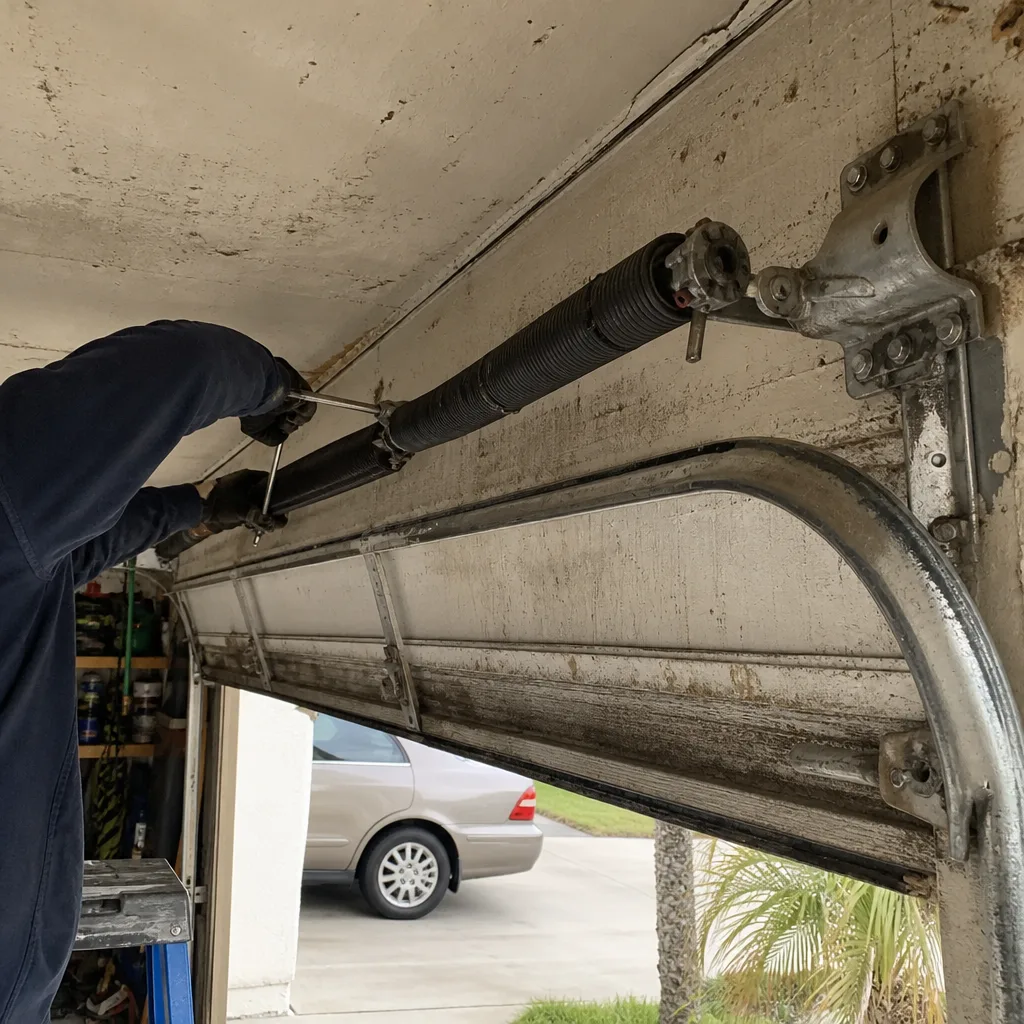 Before
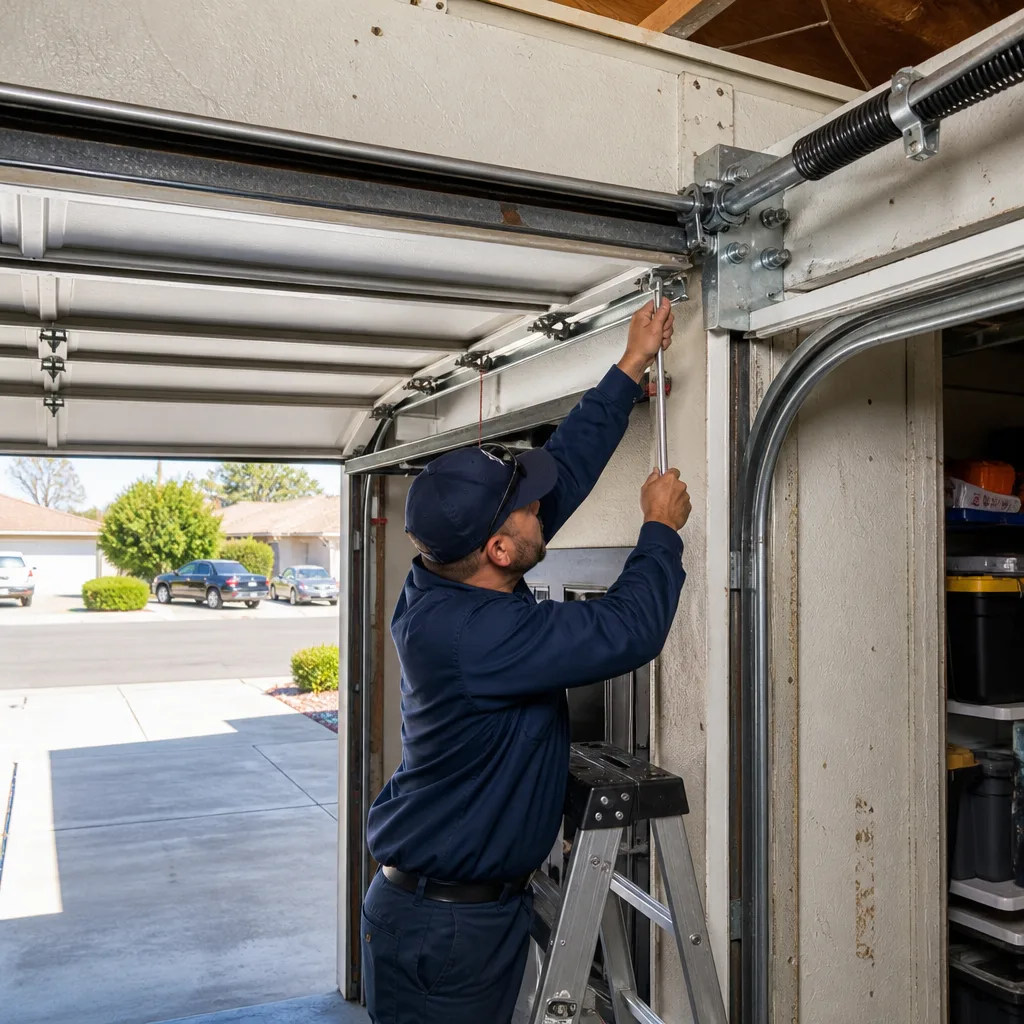 After
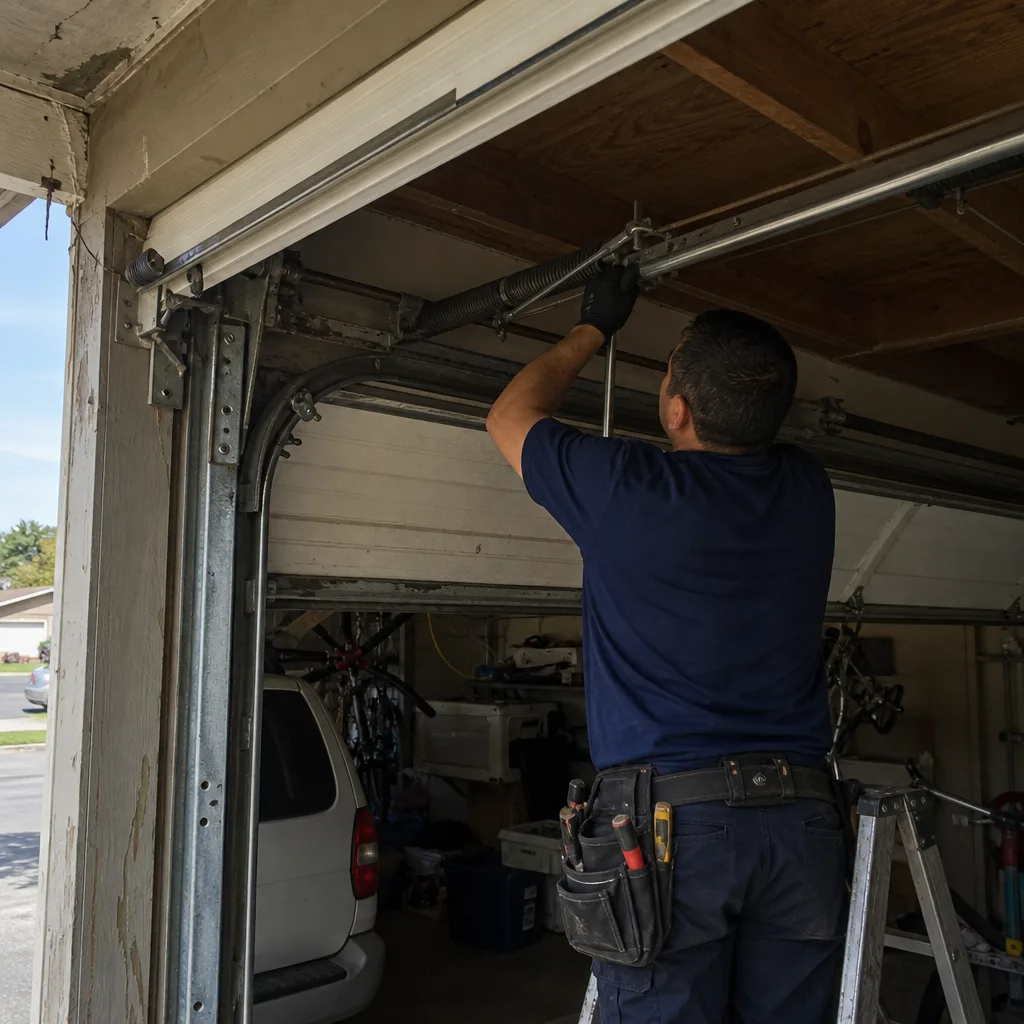 Before
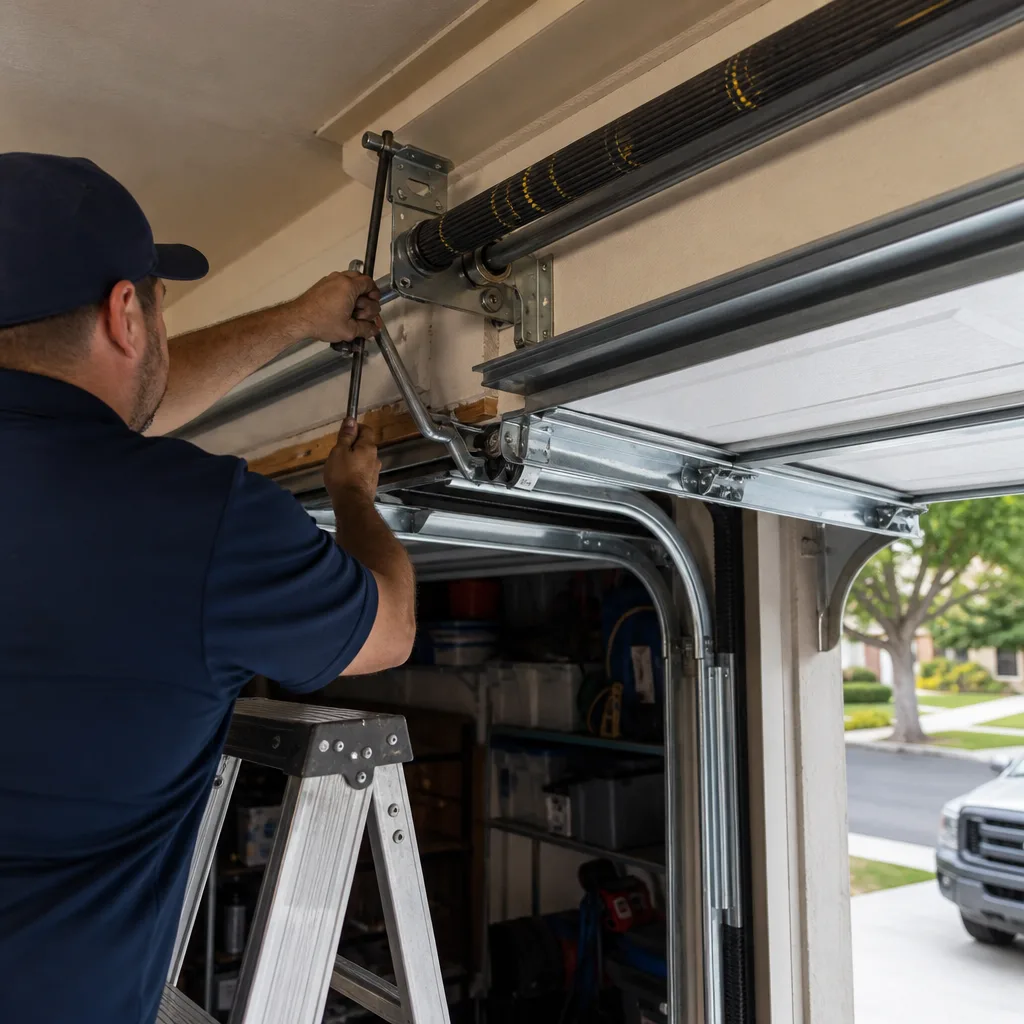 After
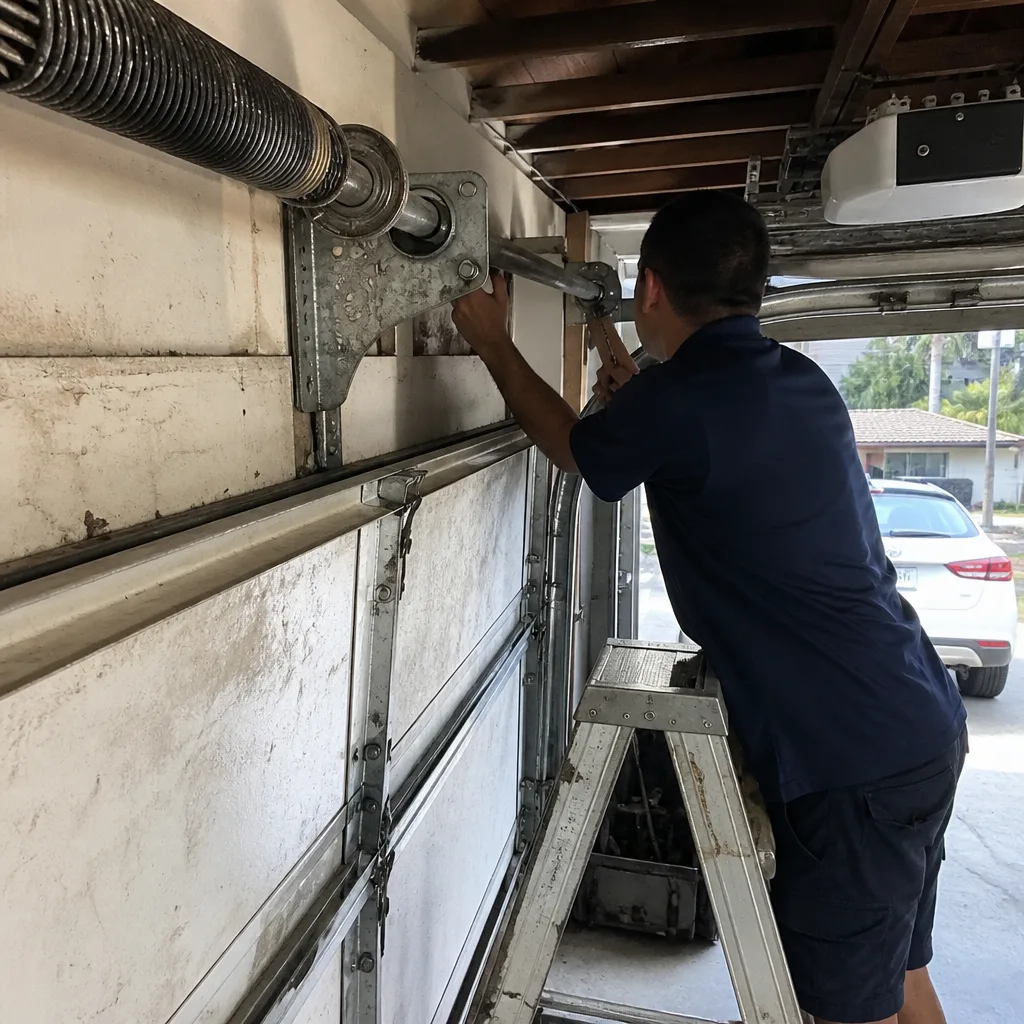 Before
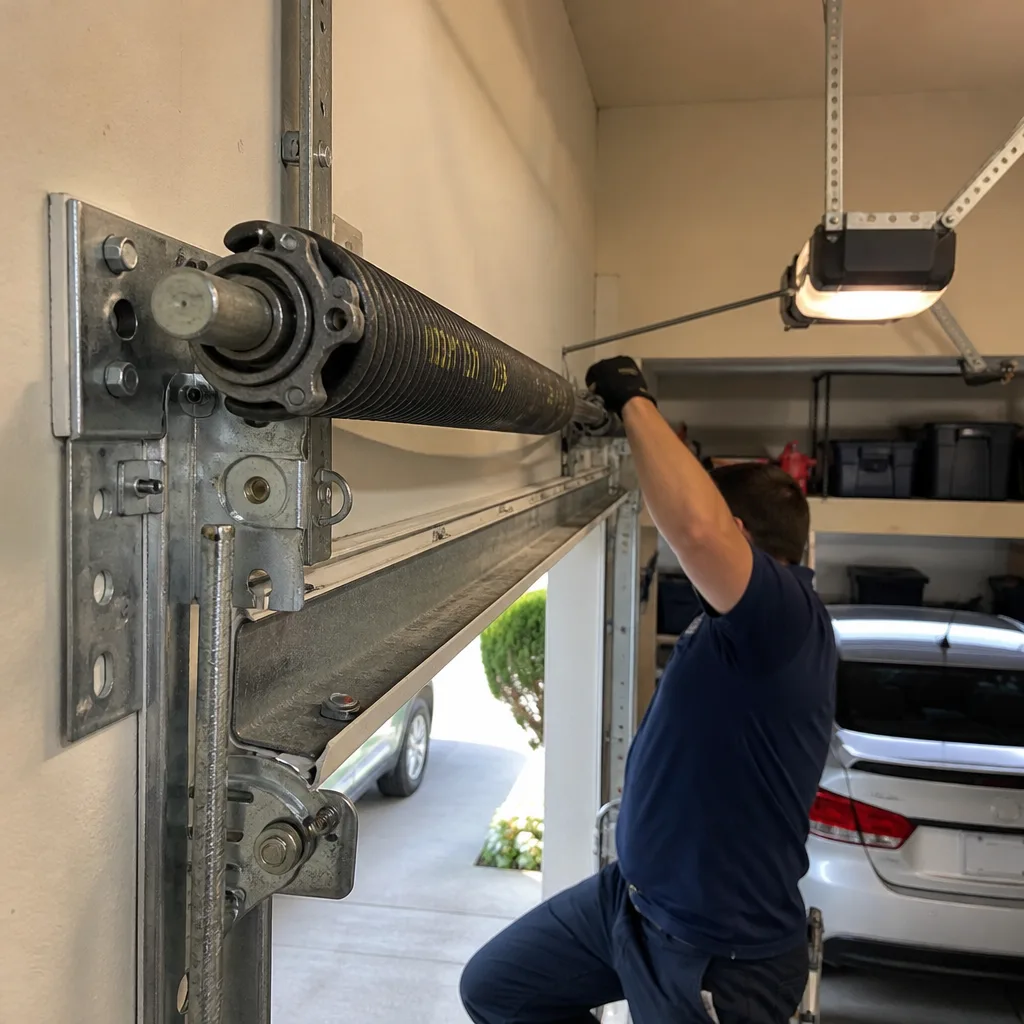 After