
Last updated October 30, 2026
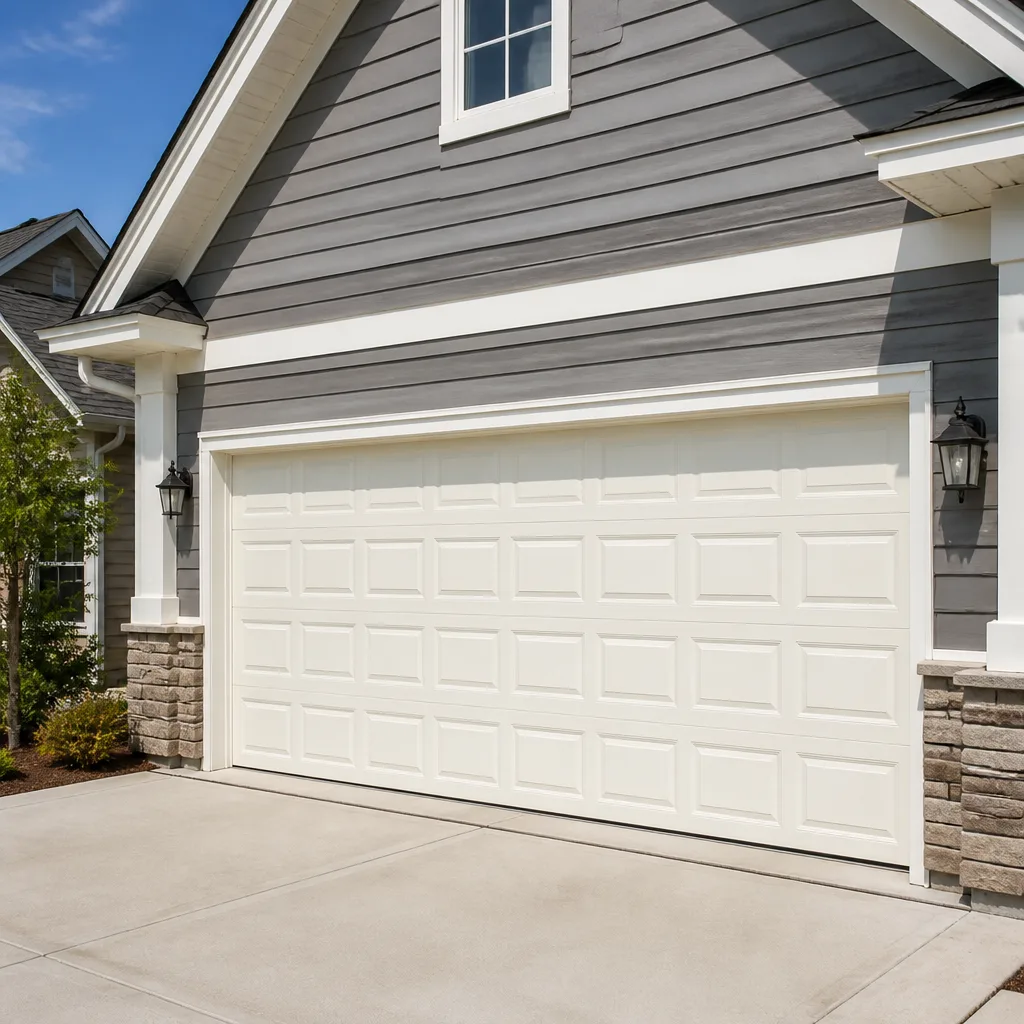 Raised-panel steel
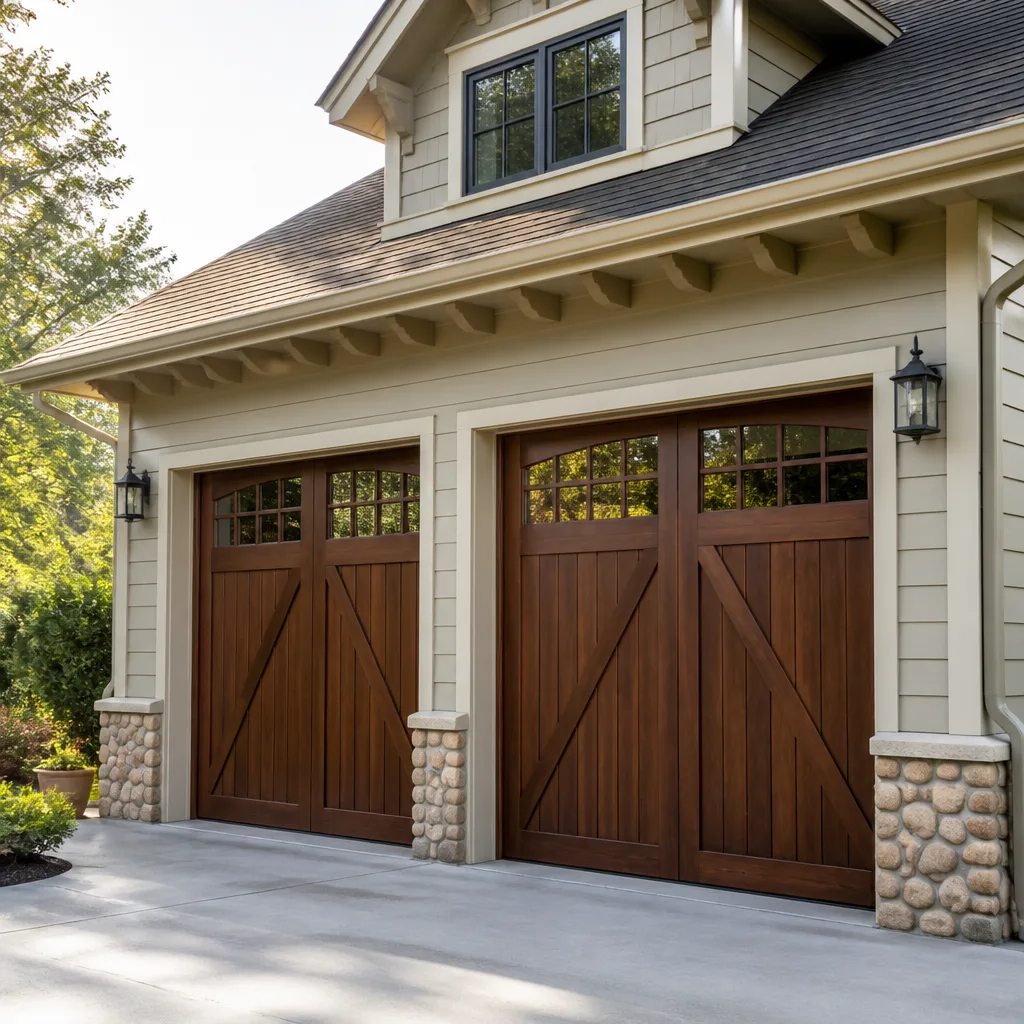 Carriage house
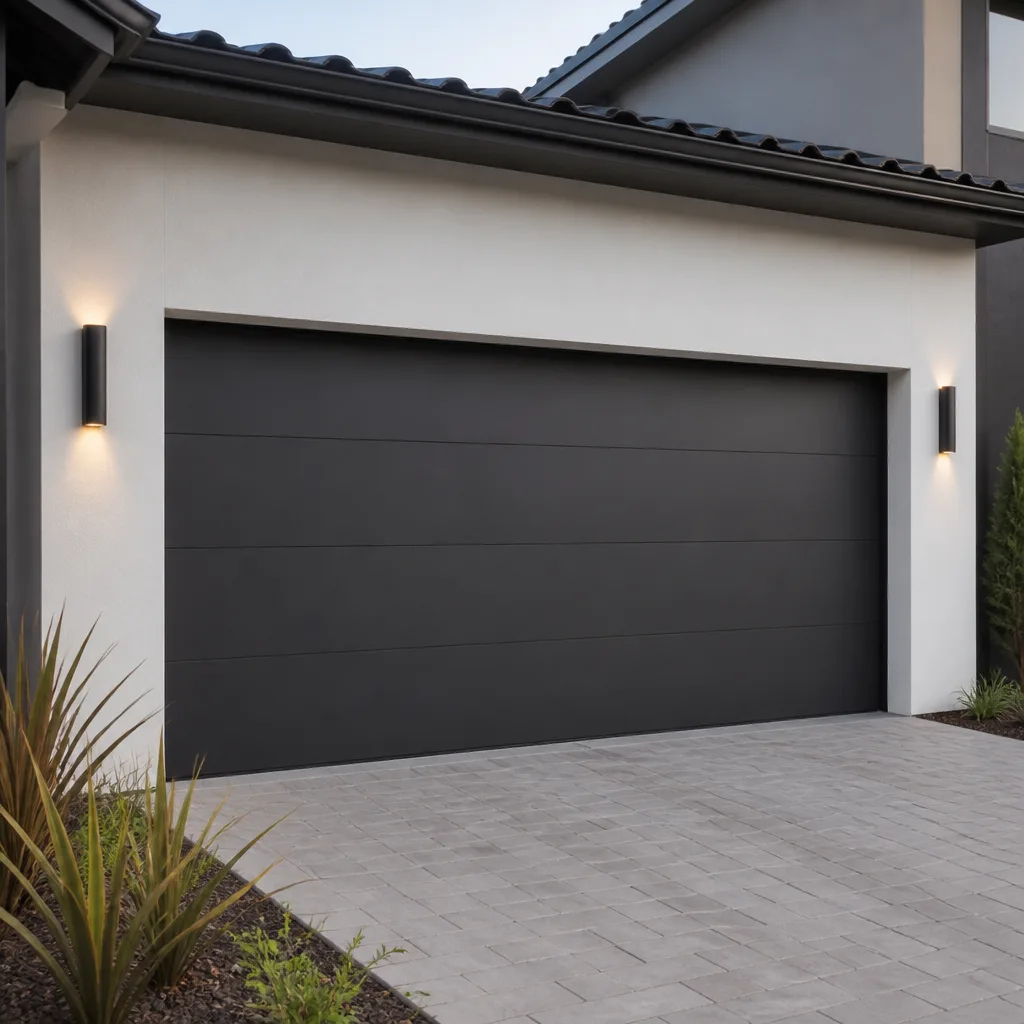 Modern flush
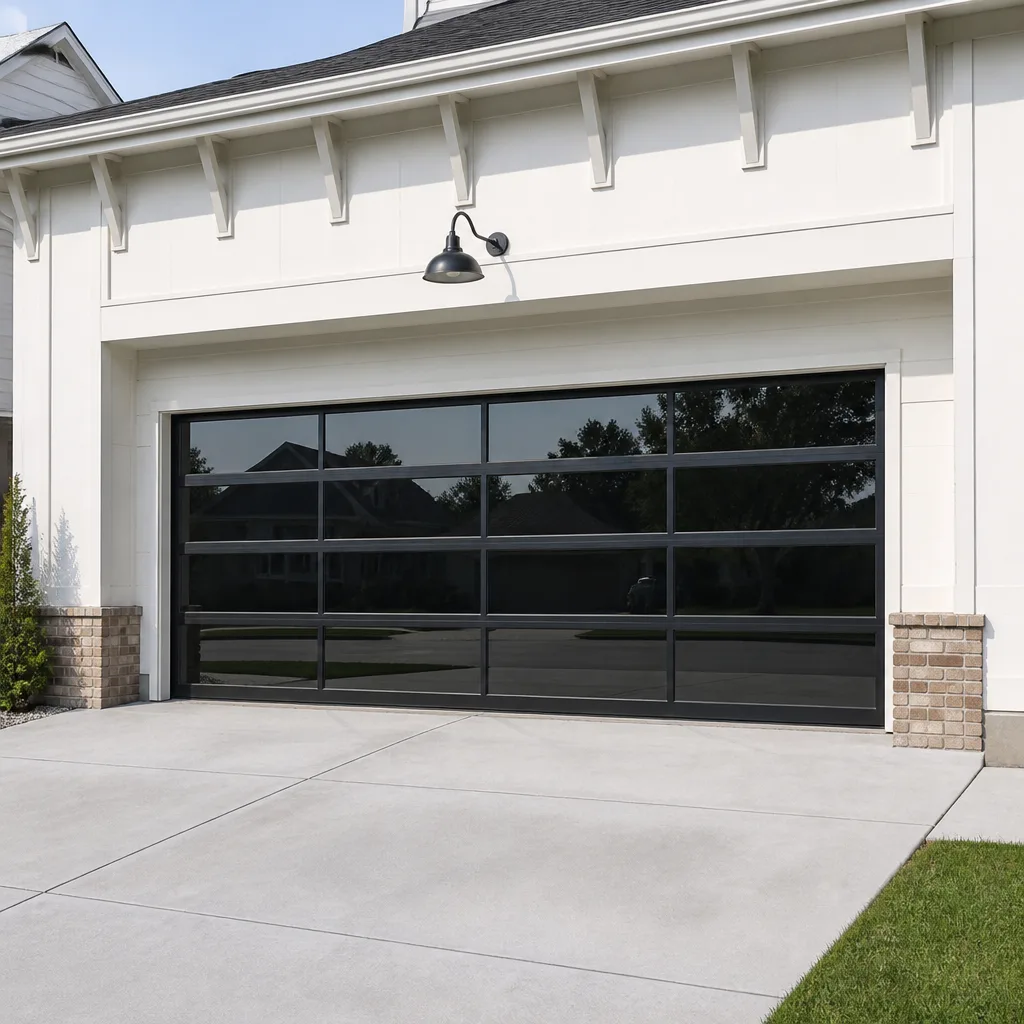 Full-view glass
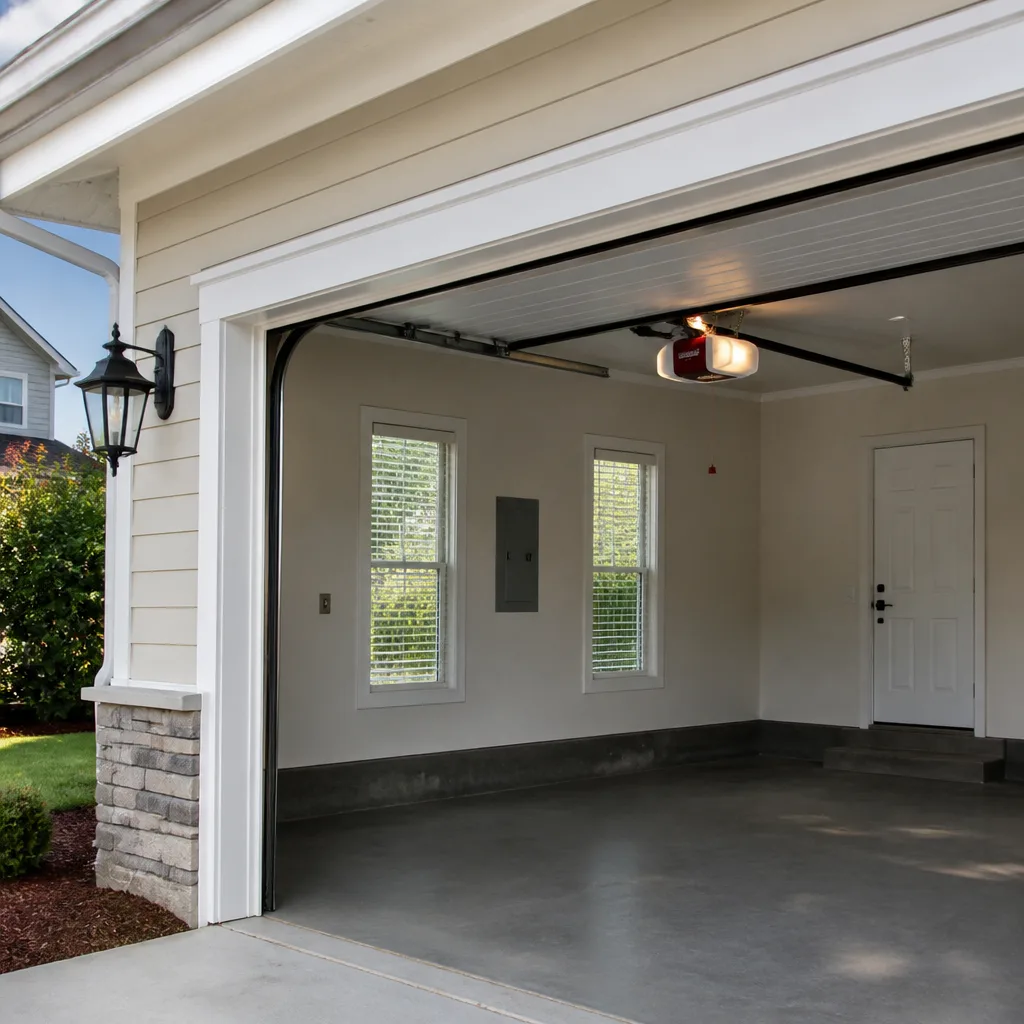 LiftMaster openers
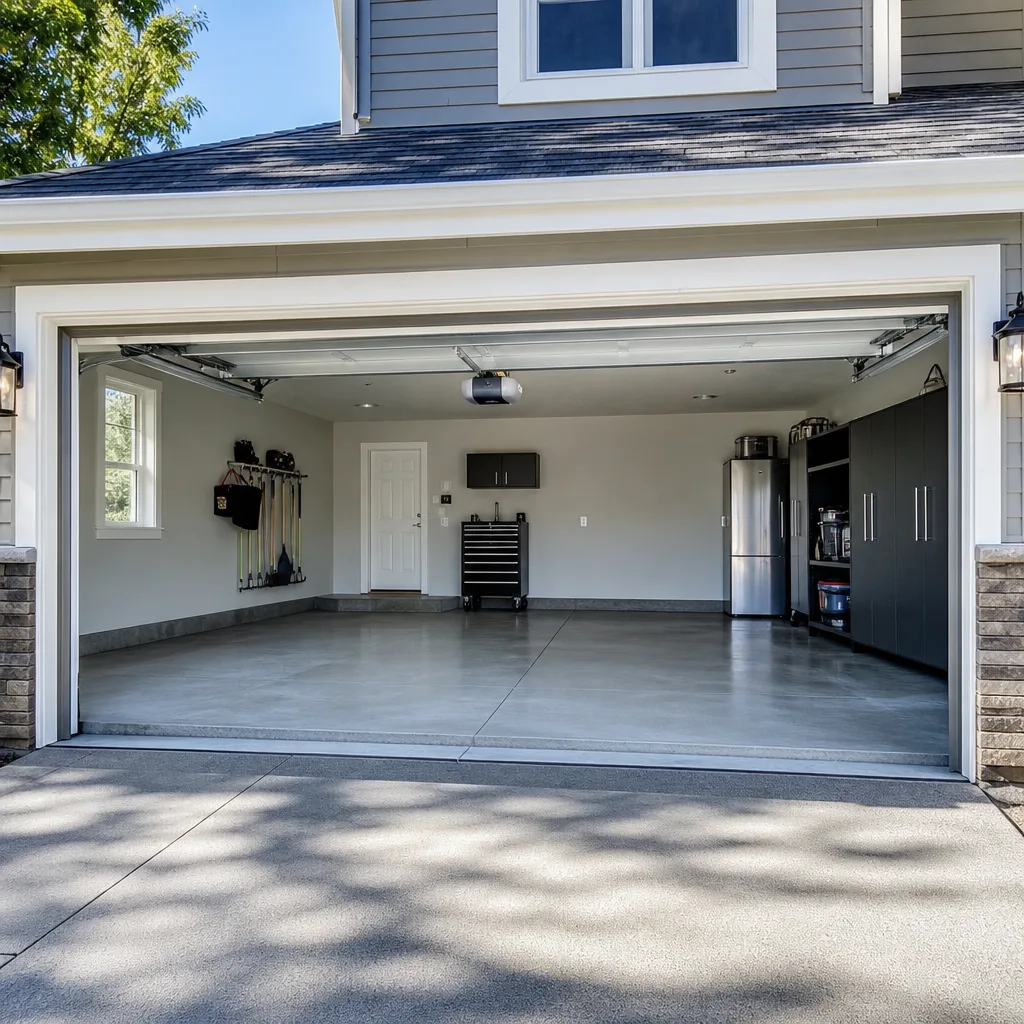 Chamberlain openers
Full 25-point door and opener safety check with every visit - springs, cables, rollers, tracks, and your LiftMaster or Chamberlain opener included
You get a price before we start. It does not change when the truck arrives.
Get your free estimateThe Complete Guide to Garage Door in Huntington Beach
Most garage door guides are written for landlocked suburbs where the biggest threat to a door is a stray basketball. Huntington Beach homeowners are within five miles of the Pacific, and salt-laden marine air corrodes standard steel hardware up to three times faster than inland environments. That single fact changes which materials, openers, and brands actually make sense here, and most installers never mention it until you’re calling for a second repair. This guide maps every decision – material, insulation, opener type, brand – to the actual conditions HB homeowners face, from Seacliff to South Huntington Beach to the 90254 – 90742 zip corridors, and you can find more guides & resources on our blog.
Quick Answer
Garage door selection and maintenance in Huntington Beach should account for coastal salt corrosion, attached-garage insulation requirements, and HOA architectural review in communities like Seacliff and Harbour View. The best material for most HB homes is either marine-grade aluminum or steel with proper anti-corrosion finishing, paired with an insulated door and a belt-drive opener rated for heavier coastal-use cycles. Repairs on existing doors are usually completed same day, while full replacements typically take two to three weeks from measure to install; see our DIY vs Professional Garage Door: The Huntington Beach Homeowner’s Decision Guide to decide which path fits your situation.
Styles & brands we work with
Table of Contents
- How Marine Air Affects Garage Doors in Huntington Beach
- Material Selection by HB Neighborhood and Exposure
- Insulation, Attached Garages, and R-Value in Coastal Tract Homes
- HOA Approval Realities: Seacliff, Harbour View, and Beyond
- Brand-by-Brand Suitability for Coastal California
- Permit Triggers in Huntington Beach Municipal Code
- A Maintenance Schedule That Works in Salt Air
- Common Mistakes to Avoid
- When to Call a Professional
- Frequently Asked Questions
How Marine Air Affects Garage Doors in Huntington Beach
The marine layer that rolls through Huntington Beach three seasons a year isn’t just fog. It’s airborne salt moisture that settles on every metal surface it touches, including your garage door tracks, springs, hinges, and opener rail. In our experience servicing doors across HB, we regularly see spring failures in homes south of Main Street within five to seven years of installation, while the same springs inland last nine to twelve years. The failure is rarely dramatic, but the cause is always the same: slow pitting from chloride exposure that weakens the coil invisibly from the outside in.
There’s a measurable difference by geography within the city. Homes in the 90742 zip corridor near the harbor deal with heavier marine air and more wind-blown sand, which acts as an abrasive on hardware. Homes in the 90254 inland sections still get marine layer mornings but less salt deposition. What that means practically is this: a garage door on 5th Street near PCH needs more frequent lubrication and earlier hardware replacement than a door in northwest HB near the Bella Terra area.
Track rollers are the most frequently salt-damaged component we see in Huntington Beach. Standard galvanized steel rollers corrode at the bearing surface, then bind and flatten over time, which puts stress on the opener motor. Nylon rollers with sealed ball bearings hold up noticeably better. If your door sounds louder than it did a year ago, the rollers are usually the first thing to check.
What you won’t hear from many installers is that the door panel itself is not the primary corrosion victim in Huntington Beach. Panels fail from salt exposure only when the paint system is already compromised. The real casualties are the springs, cables, hinges, and bottom brackets, the parts every homeowner forgets until they break. A door can look fine from the street and still have severely degraded hardware behind the panels.
Material Selection by HB Neighborhood and Exposure
Choosing a door material in Huntington Beach comes down to two variables: your distance from the ocean and your home’s exposure to direct salt wind. The three main contenders are steel, aluminum, and fiberglass, and each behaves differently in this microclimate.
Steel doors are the most common in the US and the most commonly misapplied in coastal California. A standard 24-gauge steel door with a basic factory prime and baked enamel finish will begin showing rust at the bottom panel seams within four to six years in Huntington Beach coastal zones. That’s not a product defect; it’s an environment mismatch. Steel doors with a marine-grade galvanized substrate and a factory-applied anti-corrosion base coat can perform significantly better, but many big-box doors are not built to that standard even though they look identical on the shelf.
Aluminum doors are the default recommendation for the 90742 corridor and anything within about a mile of PCH. Modern aluminum garage doors use a marine-grade alloy and a powder-coat finish that resists pitting considerably better than standard steel. The tradeoff is dent resistance: an aluminum panel dents more easily than a steel panel. In our experience working in Huntington Beach, the homes that need the most attention in this category are the beachfront and near-beachfront properties in the 90254 coastal strip, where the wind carries both salt and fine sand, essentially sandblasting the lower panel edge year-round.
Fiberglass doors are the rarest option and the most misunderstood. Fiberglass panels themselves don’t corrode, which sounds ideal, but the internal framing is typically wood or steel, both of which degrade in marine moisture over time. Fiberglass doors also fade under sustained Southern California UV exposure, a problem most suburban guides never mention because inland climate writers don’t think about coastal sun. For Huntington Beach, fiberglass works only in specific situations: a fully covered garage entrance with no direct afternoon sun and a homeowner committed to regular frame inspection.
Our overall guidance for Huntington Beach: if you’re within two miles of the ocean and replacing your door, marine-grade aluminum with a powder-coat finish is the right starting point. If you’re inland and your garage faces east away from the prevailing ocean wind, a quality steel door with proper anti-corrosion treatment is a solid value choice.
Insulation, Attached Garages, and R-Value in Coastal Tract Homes
Most Huntington Beach tract homes built between 1955 and 1985 have attached garages that share a wall and sometimes a ceiling with conditioned living space. That’s not true in colder climates where attached garages are relatively rare, and it changes the insulation calculation entirely. A detached garage needs minimal door insulation because nobody cares what temperature the garage is. An attached garage in HB is effectively a thermal buffer for the house, and every degree of heat the garage absorbs on a July afternoon transfers through the common wall into the rooms behind it.
An uninsulated steel door absorbs an enormous amount of solar heat, which radiates into the garage and then into the house. A polystyrene-insulated door has an R-value around 6.5, while a polyurethane-insulated door can hit R-12 to R-18. For an attached garage in Huntington Beach, we typically recommend a minimum of R-12 in the door panel because the temperature differential isn’t about keeping the garage warm in winter; it’s about blocking heat migration in summer. Homes in the interior sections of HB where daytime temperatures climb well above the coastal strip feel this effect more than beachfront properties do.
Insulation isn’t just about heat. An insulated door is also noticeably quieter, which matters in a tract home where the garage abuts the living room. And there’s an opener consideration: insulated steel doors weigh more than non-insulated aluminum doors, which changes the torque requirement on the opener. A door that’s been upgraded to insulated panels without a matching opener upgrade will wear out the motor faster because the opener is working against a heavier mass. When you’re installing a new door, the opener and the door should be matched to the same load calculation, not purchased separately.
HOA Approval Realities: Seacliff, Harbour View, and Beyond
A substantial portion of Huntington Beach sits under HOA governance, and communities like Seacliff and Harbour View are among the most actively enforced. The practical reality for homeowners in these neighborhoods is that the HOA architectural committee reviews garage door replacements, and their process can add two to six weeks to the project timeline. That’s not a reason to skip the review; it’s a reason to start the review early.
We’ve worked extensively in Seacliff, and in our experience the architectural boards there tend to approve doors that maintain the established streetscape pattern. In Seacliff, that usually means wood-look or warm neutral tones with visible panel definition. Harbour View leans more permissive, but any door that departs substantially from the existing color palette or adds windows where the original design had none is likely to trigger a revision request. The fastest approvals come when the replacement door matches the original style profile, even if the material and insulation values are entirely upgraded underneath.
The HOA process also matters for repair work. Most HOAs distinguish between repair and replacement: a spring replacement, panel section swap, or hardware repair typically does not require architectural review because the door face doesn’t change. A full door replacement always does. If you’re considering a panel swap on a door that’s still manufactured, that’s often the fastest path to fixing coastal weathering without triggering a design review, because the exterior appearance stays identical.
Before you buy a door in an HB HOA community, get the written architectural guidelines and read them yourself. Don’t rely on a salesperson’s summary of what will pass; the committee reads the guideline text, not the brochure. And factor the review timeline into your project schedule so you’re not paying for a door that sits uninstalled while the committee meets.
Brand-by-Brand Suitability for Coastal California
Not all garage door brands hold up equally well in the Huntington Beach coastal environment, and our work across HB has given us a clear sense of which ones perform where. We service every major residential brand, and we recommend based on what’s already installed and what the home actually needs, not on which inventory we happen to have. Here’s how the major brands stack up specifically for coastal California conditions.
Clopay offers the broadest range of coastal-appropriate options. Their aluminum and steel lines both include marine-grade treatments, and their factory finish systems are among the most consistent we see in the field. For attached garages with direct sun exposure, Clopay’s insulated steel and powder-coated aluminum models hold color and resist corrosion better than most.
Wayne Dalton is ubiquitous in Huntington Beach tract homes, especially their mid-century and 1970s-era models. The brand’s legacy in HB runs deep, so many of their doors currently in service are original equipment from the home’s construction era. That means most of the Wayne Dalton doors we repair here need hardware refreshment rather than full replacement, and their modern replacements are fully compatible with existing framing in most cases.
Amarr builds doors with some of the best factory warranties in the industry, which matters in Huntington Beach specifically because coastal corrosion claims are often denied under standard warranty terms that exclude salt-air exposure. Amarr’s coastal-finish models are clearly documented, and the warranty distinction alone makes them worth a look if you’re replacing a beachfront or near-beachfront door.
CHI is less common in HB inventory but shows up regularly in custom builds and higher-end remodels. Their acrylic-finish aluminum doors perform well in direct sun, and we’ve seen fewer color-fade issues with CHI than with most other brands installed in full Southern California exposure.
For openers specifically, the coastal load question centers on duty cycle. A marine-layer morning means the garage door is opened and closed with moisture and grit on the rollers, which increases resistance. LiftMaster and Genie both make DC-motor belt-drive openers that manage this load better than older AC-chain-drive units. Chamberlain’s newer smart-capable openers are a good middle ground for homeowners who want remote access without spending on a premium unit. We work on what you have, not around it, and most HB homes we serve have one of these three brands installed already.
Permit Triggers in Huntington Beach Municipal Code
Huntington Beach enforces specific permit requirements for garage door work, and knowing when a permit is triggered can save time and money. The basic distinction in HB municipal code is between a panel swap and a full replacement, and the difference affects the entire project timeline.
A full garage door replacement in Huntington Beach requires a building permit because the door is considered part of the building envelope. The permit covers the structural connection between the door framing and the building, the wind-load rating of the new door, and the safety sensor placement. The permit process in HB typically takes one to two weeks from submission to approval for a standard residential replacement, assuming the drawings and door specifications meet code requirements. A licensed contractor handles this on your behalf, but it’s worth knowing the permit is part of the project cost and timeline.
A section panel swap, where one or more panels on an existing door are replaced with identical or compatible panels from the same manufacturer, generally does not activate the permit requirement in Huntington Beach, because the door structure, the framing, and the wind-load rating remain unchanged. This is relevant for coastal homeowners dealing with a rusted bottom panel or impact damage on one section: in many cases a panel swap is both cheaper and faster than a full replacement, because there’s no permit review and no HOA architectural review. The caveat is that the existing door must still be manufactured and the color match must be close enough that the entry doesn’t look obviously different.
Opener replacement also does not require a permit in HB, but it does require that the new opener meets current California Code of Regulations Title 24 safety standards, which include auto-reverse, photo-eye sensors, and door-balance compliance. A new opener installed on a door that doesn’t balance properly will fail the safety test and is not code-compliant. If your opener is being replaced, the door springs and balance should be checked in the same visit.
A Maintenance Schedule That Works in Salt Air
Coastal maintenance for a garage door in Huntington Beach is not the same as the maintenance schedule a generic guide recommends for a home in Phoenix or Kansas City. The salt air accelerates specific wear patterns, and the schedule below is built for what we actually see in HB service calls.
- Monthly during marine-layer season (May through September): Wipe down the bottom panel edge and the lower track sections with a damp cloth to remove salt film before it has time to etch into the paint or coating. This takes five minutes and directly extends the life of the door face.
- Every three months: Lubricate the roller bearings, hinges, and spring coils with a silicone-based garage door lubricant. Avoid WD-40; it displaces moisture but doesn’t provide lasting lubrication, and in coastal conditions it actually leaves the metal more vulnerable to salt after the carrier evaporates.
- Every six months: Clean both photo-eye sensor lenses with glass cleaner and check that the opener’s auto-reverse engages within two seconds of contact. In Huntington Beach, salt film on the sensor lenses is a common cause of the door refusing to close, and the fix is usually just a lens wipe.
- Every two years: Have the spring tension and cable condition inspected by a professional. Coil springs under coastal conditions can look fine on the outside while the inner coils have started pitting. Cables on HB doors show rust at the bottom attachment bracket first, and that’s exactly where we see the most failures.
- Every five years: Replace nylon rollers and inspect the opener gears for wear, especially on west-facing doors in 90742 that take direct ocean wind. By year five in a coastal environment, the bearings inside nylon rollers have lost their seals and are running dry.
This schedule is heavier than the inland recommendation, but it’s matched to reality. A garage door in a beachfront Huntington Beach home that skips routine maintenance will need hardware replacement roughly twice as often as a maintained inland door; a maintained coastal door gets close to inland longevity. The maintenance gap equates to real money.
Common Mistakes to Avoid
- Choosing a door by appearance alone. In Huntington Beach, the prettiest door at the showroom may be the worst fit for a home near the ocean if the finish system isn’t built for salt exposure. Match the material to the geography first, then pick the style.
- Skipping the HOA review on a door replacement. In Seacliff and Harbour View, installing a non-approved door can result in a demand to replace it at your expense. The review adds a few weeks; the reversal adds thousands of dollars and two installations.
- Replacing the opener without checking the door balance. A new opener on an unbalanced door wears out the motor prematurely, and in HB’s salty environment an overworked opener fails even faster than it does inland. Balance and opener work together.
- Using the wrong lubricant. WD-40 and general-purpose oils leave a residue that compounds with coastal salt and turns into a grinding paste inside the roller bearings. Use a silicone-based garage door lubricant only.
- Assuming the existing spring is the right size for a new door. Insulated doors weigh more than non-insulated doors, and reusing an old spring set with a heavier replacement door creates a dangerous and code-violating mismatch. The springs must be matched to the door weight every time.
- Ignoring a door that works but makes noise. A door in Huntington Beach that grinds or pops during operation is telling you something specific: salt has damaged a bearing or a cable strand. The noise is an early warning, and catching it then costs far less than catching it after the part fails.
- Buying the cheapest steel door from a big-box store and installing it near PCH. Standard steel doors are not built for marine air, and the savings evaporate within a few years when the bottom panel rusts through. That false economy is one of the most common calls we see in the 90742 corridor.
When to Call a Professional
Call a garage door professional in Huntington Beach if you hear grinding during operation, see visible rust on springs or cables, notice the door sitting unevenly when closed, or experience a door that opens but won’t close, or closes but won’t open. These symptoms indicate problems with the spring system, the cables, or the safety sensors, and the first two involve high-tension components that can cause serious injury if handled improperly. A torsion spring under full load holds enough energy to break a bone or worse, which is why spring replacement should always be done by a trained professional. Corner Post Garage Door Repair offers free estimates in Huntington Beach, works on all eight major residential brands including LiftMaster, Wayne Dalton, and Raynor, and can typically diagnose your issue in a single visit. Call (833) 620-3836 to schedule.
Frequently Asked Questions
A full garage door replacement in Huntington Beach typically costs between $1,800 and $4,500 installed, with the final price driven by material, insulation level, and HOA requirements in communities like Seacliff and Harbour View; our Garage Door Cost Breakdown: The Huntington Beach Homeowner’s Reference for 2026 explains every line item. Marine-grade aluminum with polyurethane insulation lands at the higher end, while a basic non-insulated steel door without coastal treatment lands at the lower end and will need earlier replacement. Call (833) 620-3836 for an exact quote, estimates are free and the price is agreed before any work starts.
Yes, we offer same-day emergency repair service across Huntington Beach and carry common parts on the truck, which means most repair calls in the 90254 and 90742 areas are resolved in a single visit; for advance planning, see our Garage Door Emergency Preparedness Guide for Huntington Beach Homes. If the repair requires a part that has to be ordered, we tell you before you commit to anything and leave your door secure in the meantime. Call (833) 620-3836 to check same-day availability in your area.
A full garage door replacement in Huntington Beach requires a building permit, and the review process typically takes one to two weeks. A single panel swap on an existing door generally does not require a permit because the structural envelope remains unchanged. A licensed contractor handles the permit paperwork as part of the project, and the cost is included in your written quote.
HOA rejection is possible in Huntington Beach communities like Seacliff and Harbour View, but it’s avoidable if you read the architectural guidelines and match the door style, color, and panel pattern to the existing neighborhood standard. Most rejections happen when a homeowner chooses a door that departs obviously from the established streetscape, not when the replacement is a like-for-like upgrade in material and insulation. Start the HOA review early in the process to avoid project delays.
A spring failing from salt corrosion in Huntington Beach typically shows visible pitting or rust on the coil surface, makes an increasingly loud popping or squeaking sound during operation, and causes the door to feel heavier when lifted manually. If you see any of these signs, stop using the door and call a professional, because a spring under tension that fails while the door is moving can cause serious injury. Call (833) 620-3836 for a spring inspection.
A garage door that makes noise in the morning but quiets down by afternoon is usually reacting to moisture from the Huntington Beach marine layer. Rollers, hinges, and bearings collect overnight condensation mixed with salt film, which increases friction until the door warms and dries. Regular silicone-based lubrication and nylon roller replacement on a five-year cycle addresses the root cause.
The Bottom Line
Every garage door decision in Huntington Beach should start with the environment, not the showroom. Salt air cuts hardware life in half if the material and maintenance approach aren’t matched to coastal conditions. Insulation matters more in attached tract-home garages than most homeowners realize. HOA review is a real timeline cost in Seacliff and Harbour View, and the permit rules in HB are different for replacement versus panel swap. Get the material right, match the door to the opener weight, and stay ahead of the salt. Our team at Corner Post Garage Door Repair works across every major residential brand, from legacy systems to modern smart openers, and we service the full door system: mechanical, opener, and installation. Whether you need Garage Door Repair in Cudahy, Garage Door Opener Repair in Cudahy, or a full Garage Door Installation in Cudahy, call (833) 620-3836 for a free estimate on any garage door question in Huntington Beach.
Written by the team at Corner Post Garage Door Repair, serving Huntington Beach since 2015.
See the difference
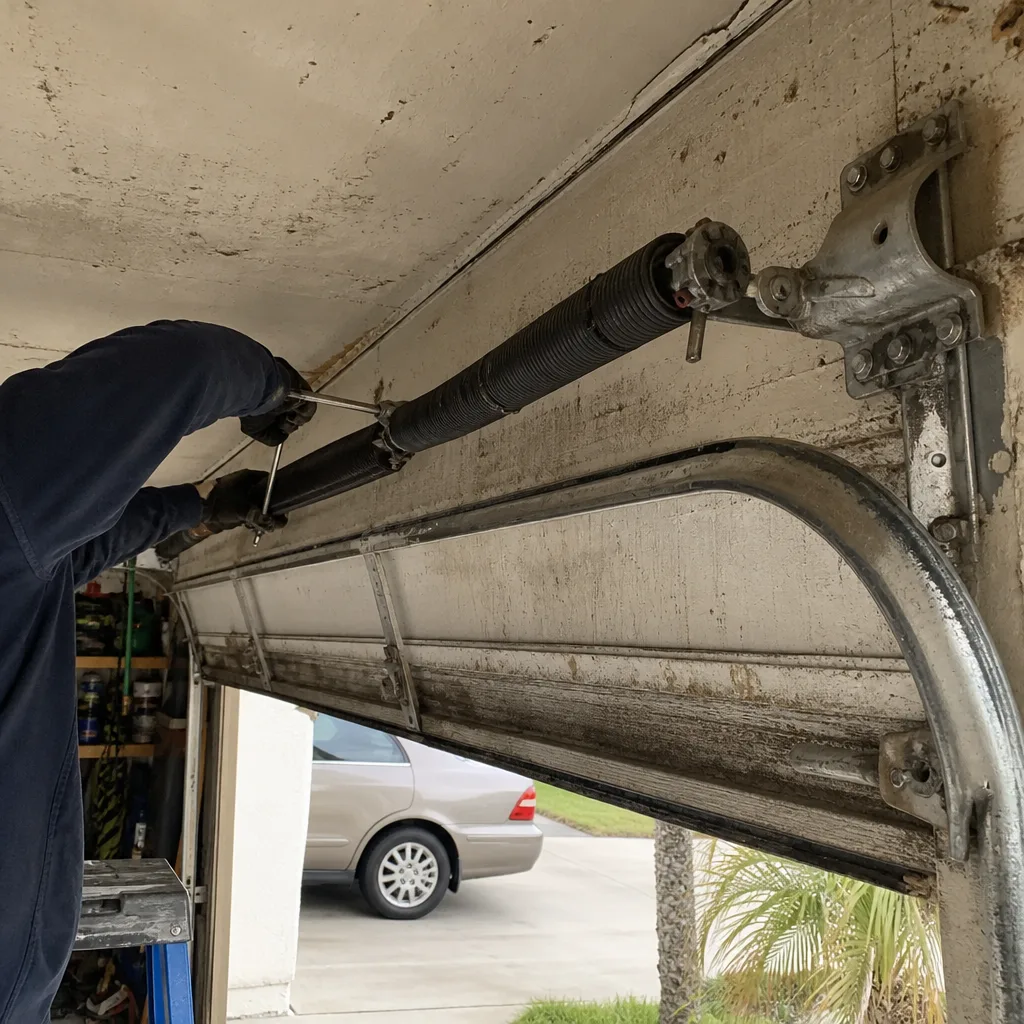 Before
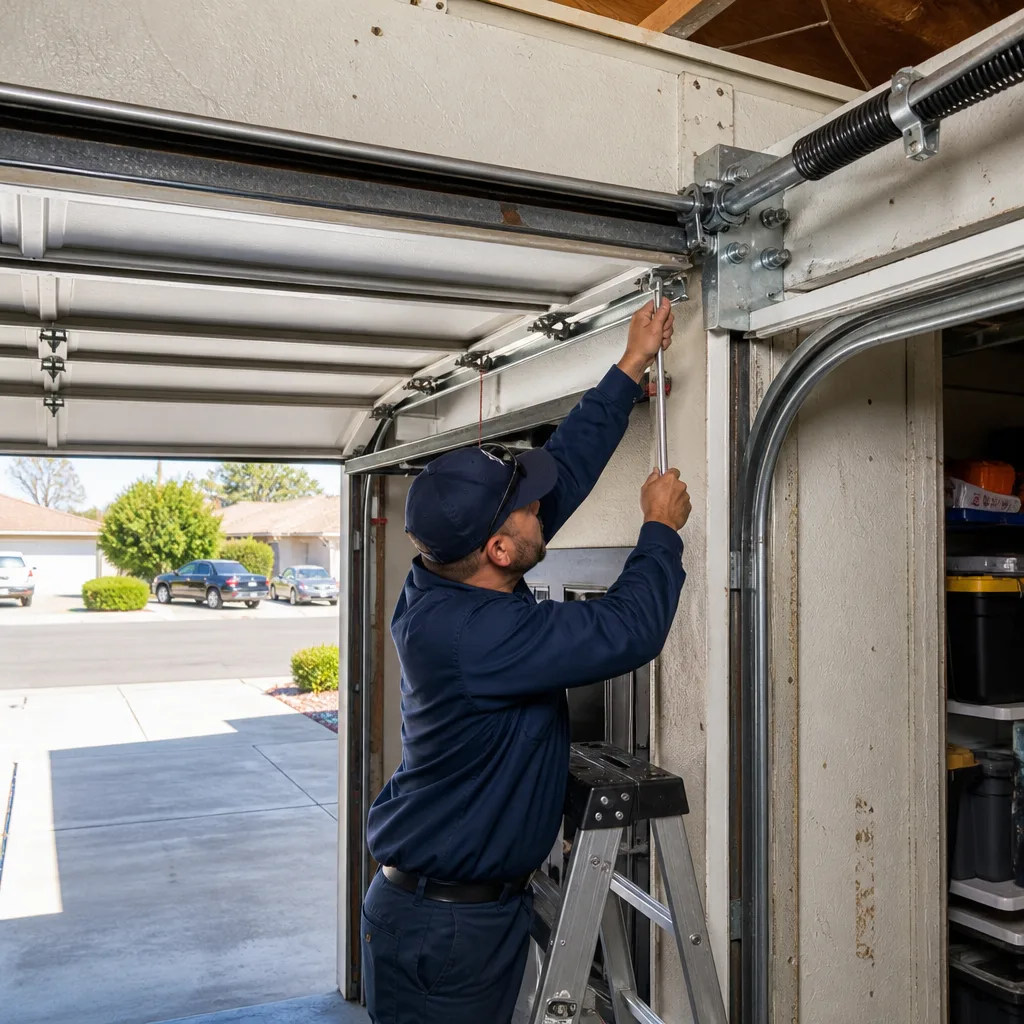 After
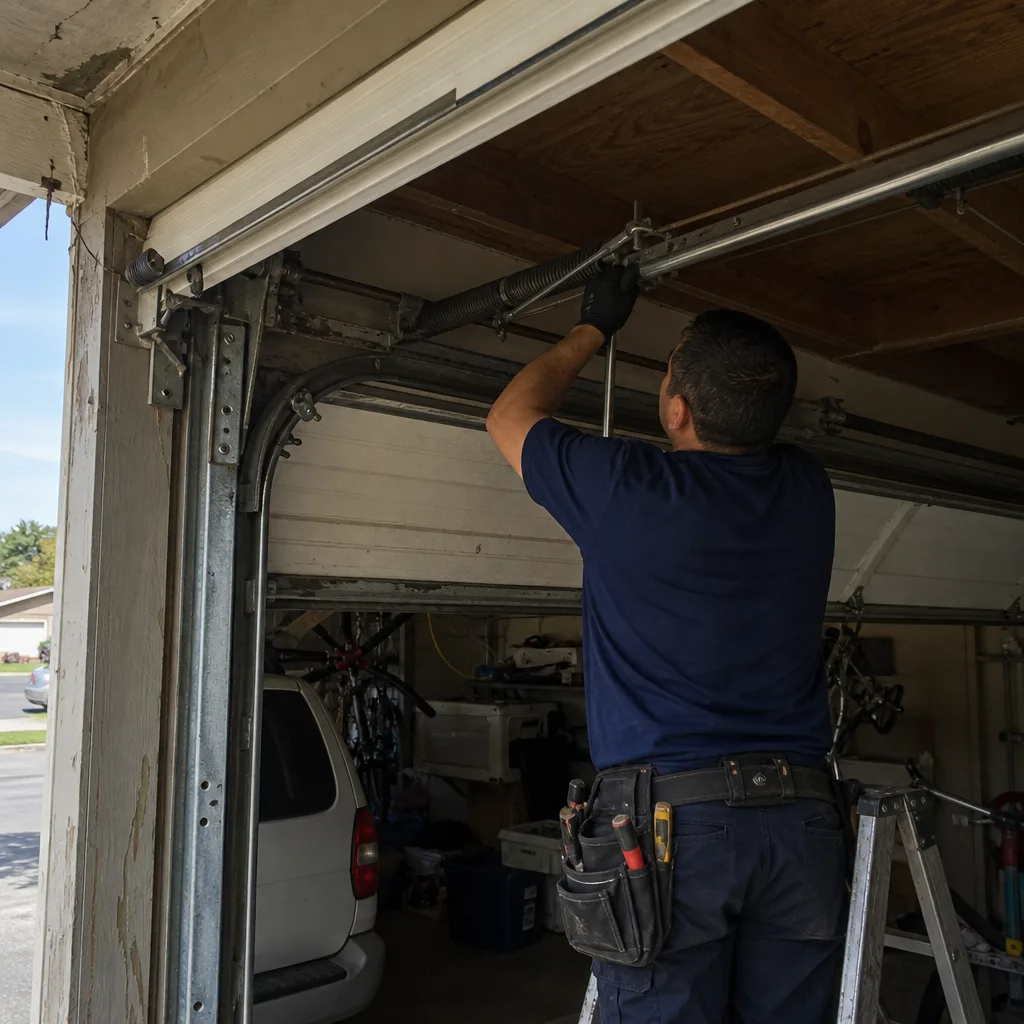 Before
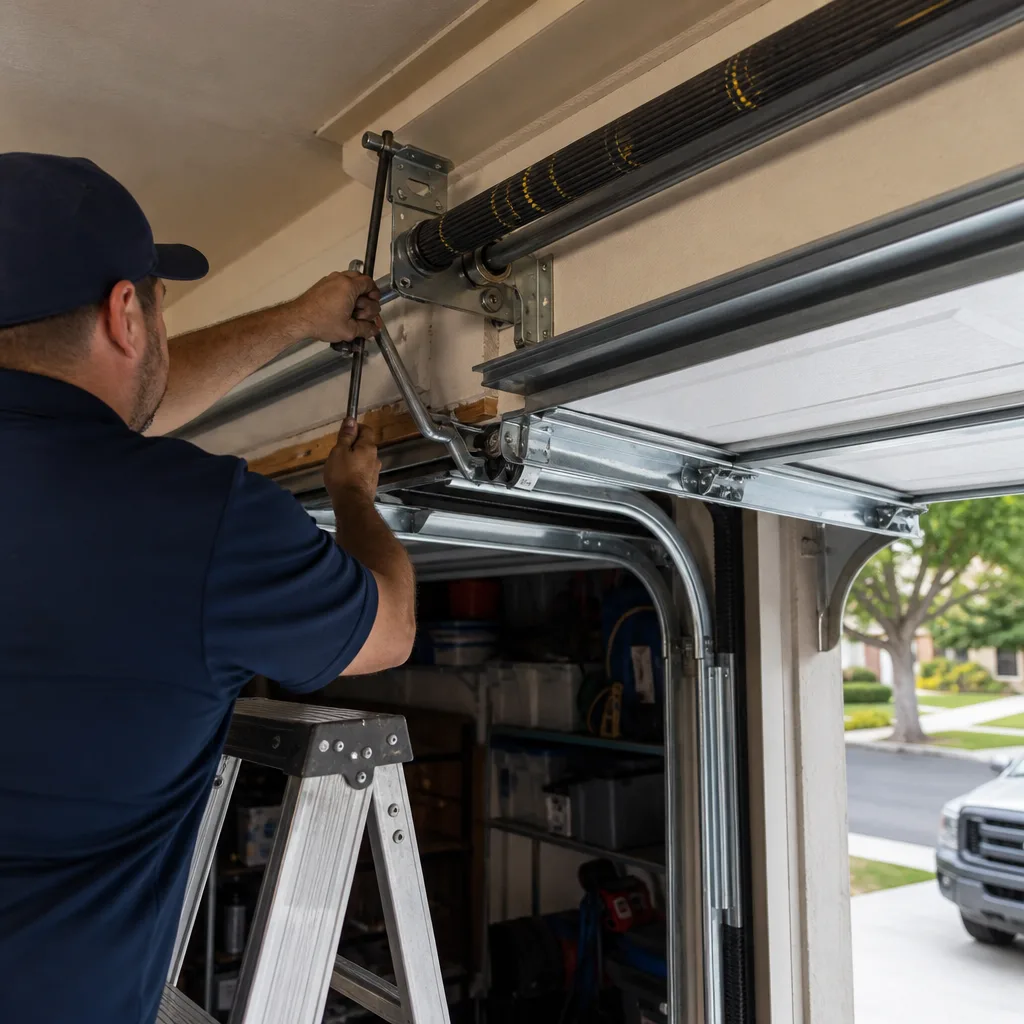 After
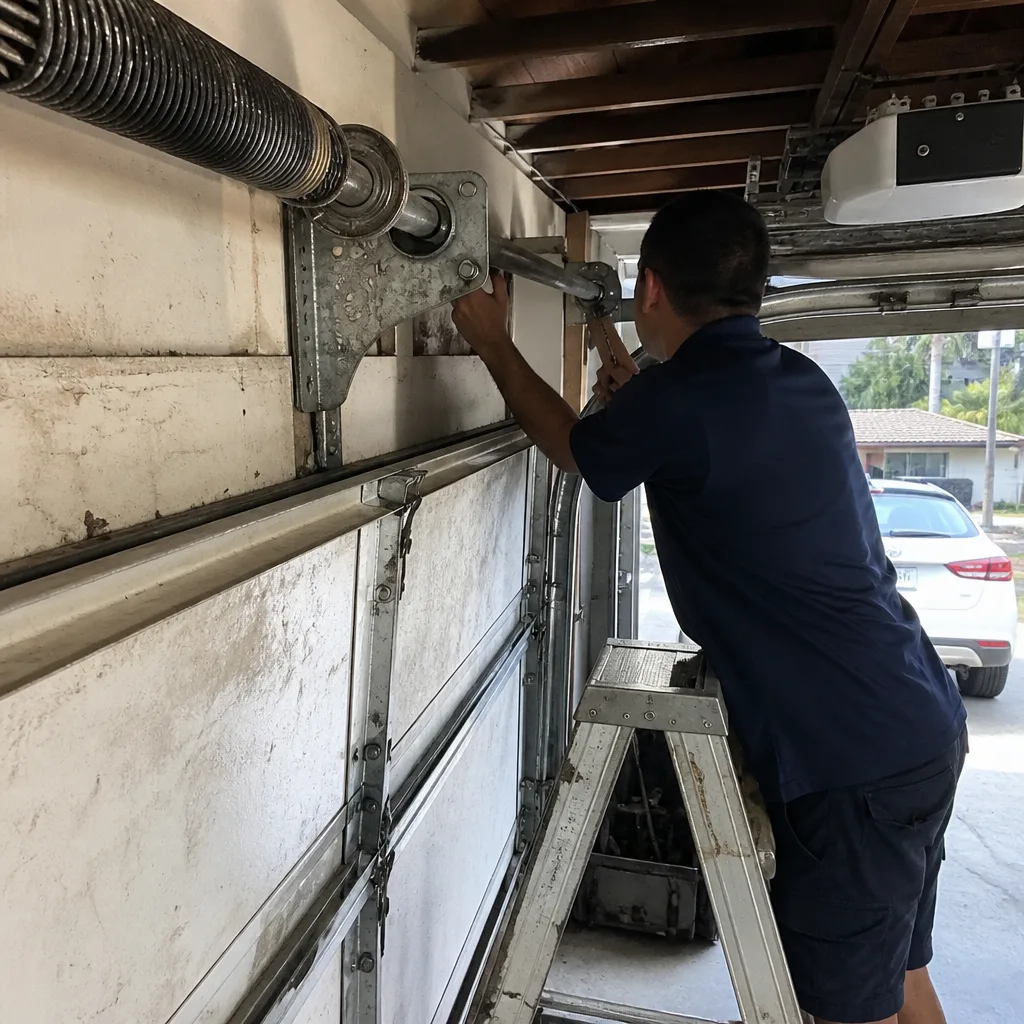 Before
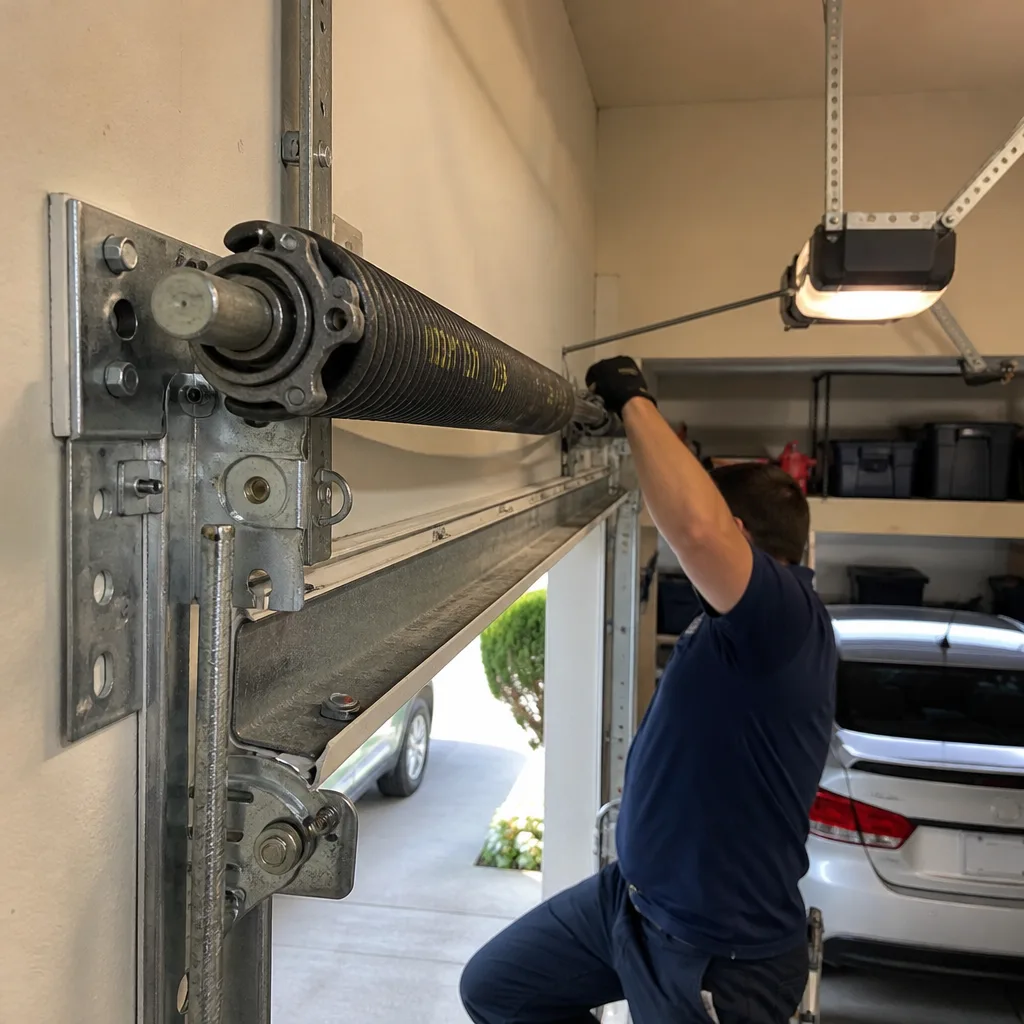 After