
Last updated October 30, 2026
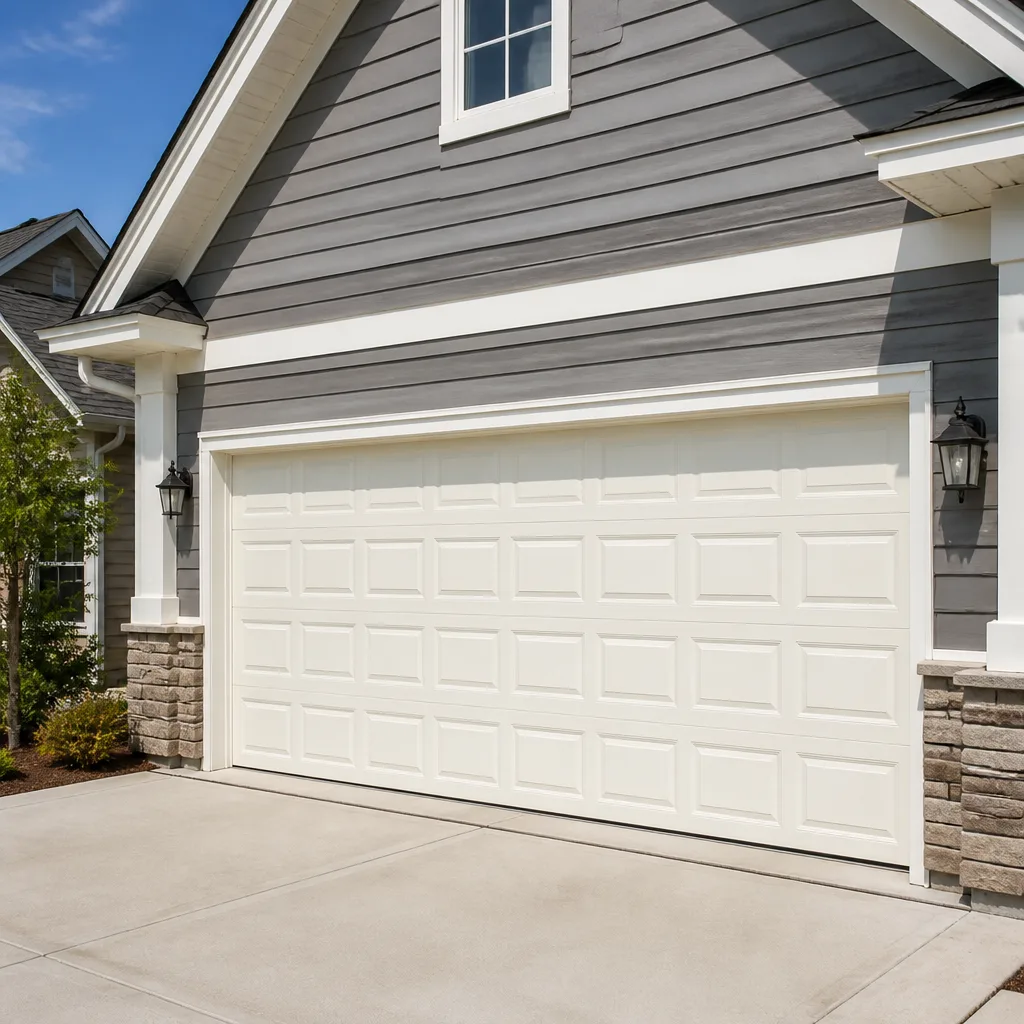 Raised-panel steel
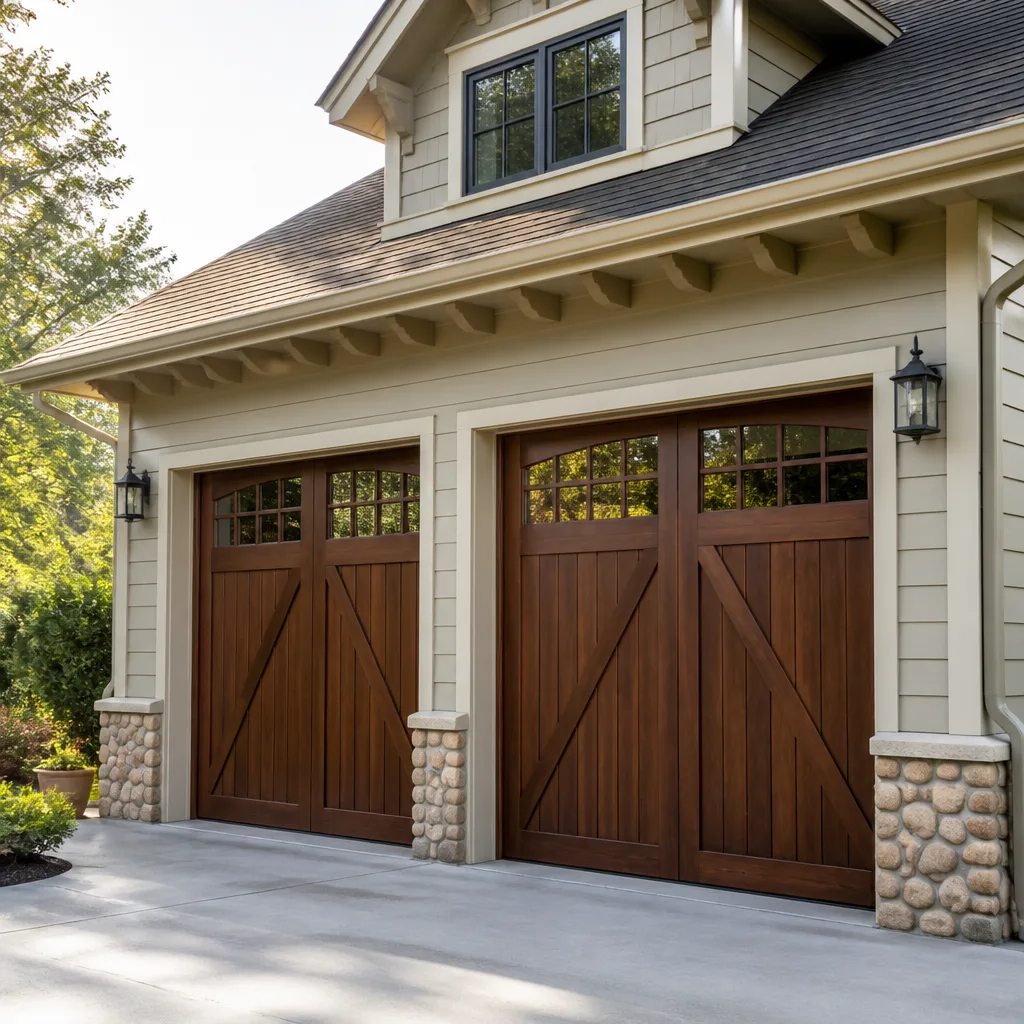 Carriage house
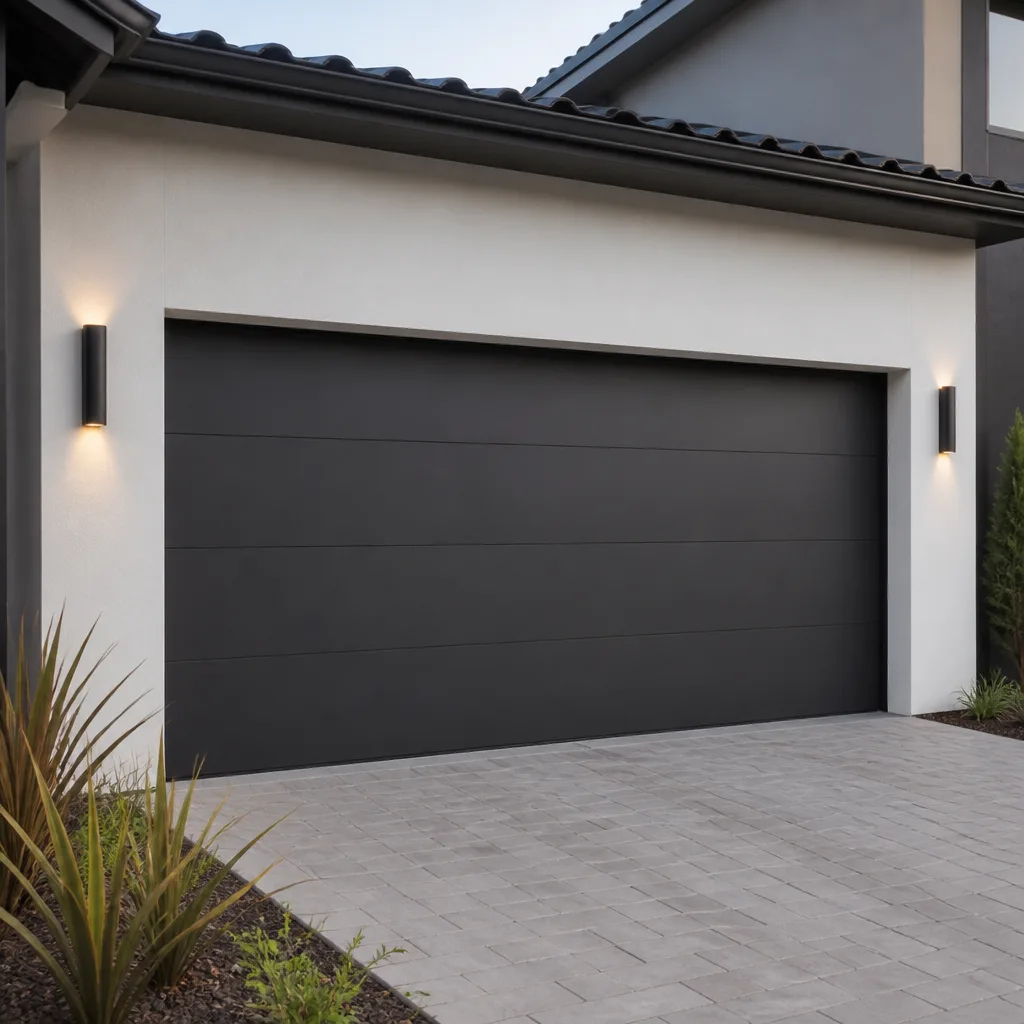 Modern flush
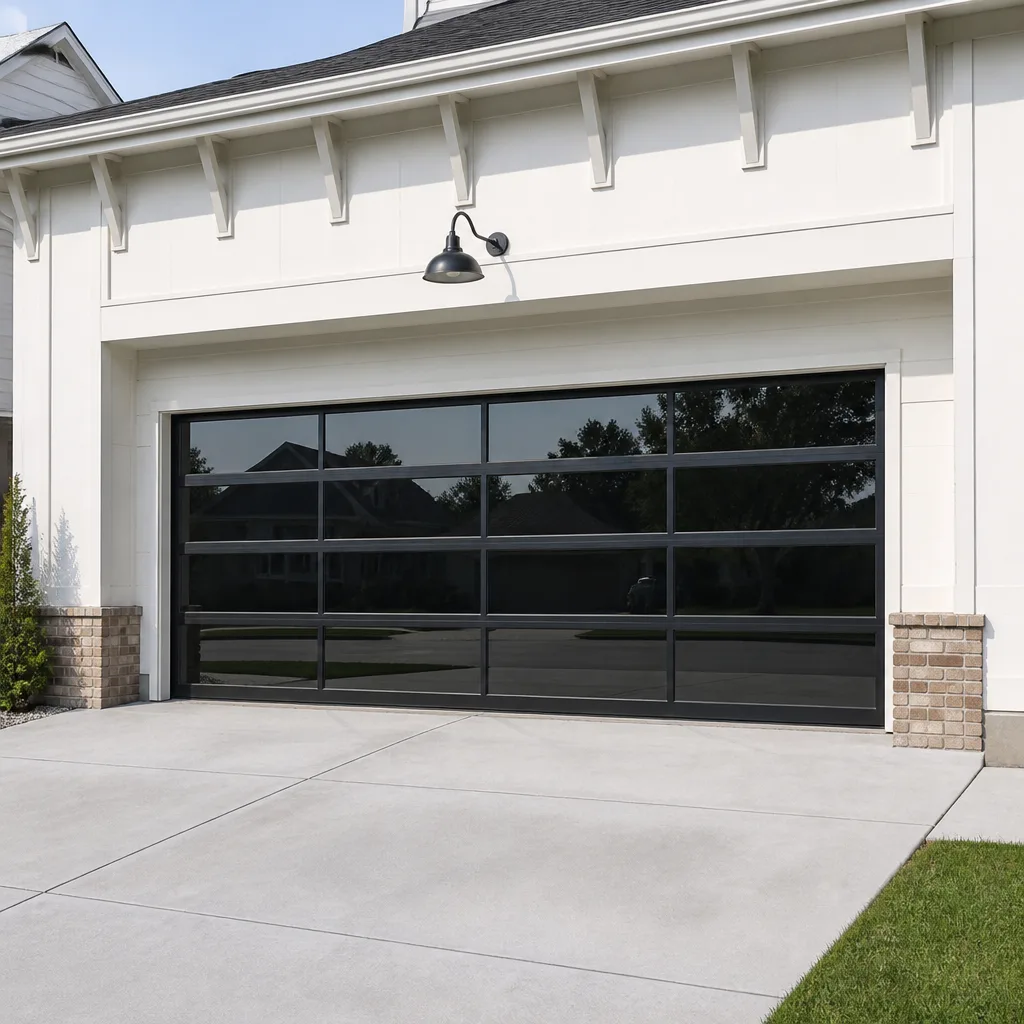 Full-view glass
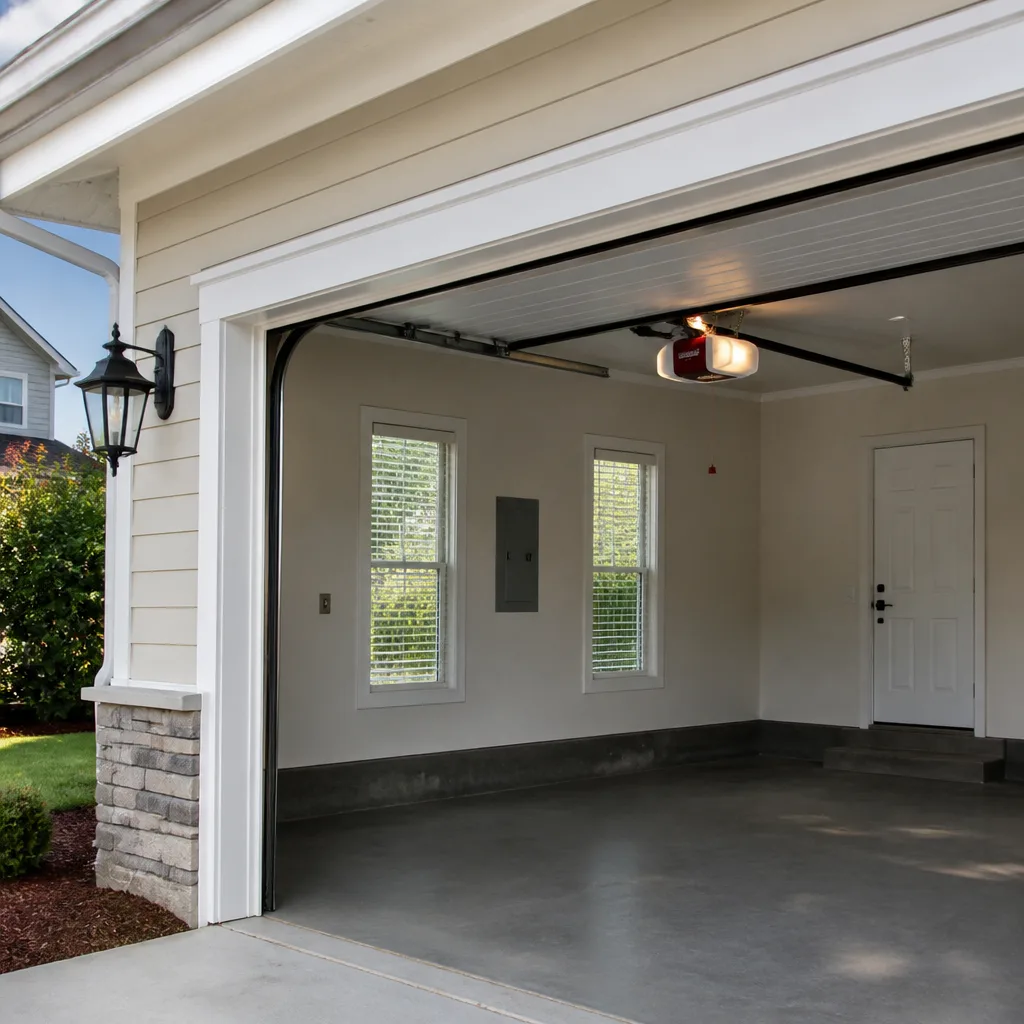 LiftMaster openers
 Chamberlain openers
Full 25-point door and opener safety check with every visit - springs, cables, rollers, tracks, and your LiftMaster or Chamberlain opener included
You get a price before we start. It does not change when the truck arrives.
Get your free estimateGarage Door Emergency Preparedness Guide for Huntington Beach Homes
During a Southern California power outage, the single most dangerous thing a homeowner can do is yank the red emergency release cord while the door is partially open under spring tension. It takes about three seconds and can drop 200 pounds of door onto a car, a pet, or a person. Most Huntington Beach homeowners use their garage door three to five times a day and never think about what happens when the power fails, the track gets knocked out of alignment, or the opener simply gives out. Here’s what to do instead.
Styles & brands we work with
Quick Answer
Garage door emergency preparedness in Huntington Beach comes down to three things: knowing how to manually operate your door safely (which varies by opener type), knowing when a door is too damaged to move at all, and having your door’s key details written down before an emergency hits. Power outages during Santa Ana wind events, earthquake-shifted tracks, and salt-air corrosion are the three most common garage door emergencies we see in this coastal city. This guide covers the manual operation sequence for every major opener type, how to visually assess damage after a seismic event, and which backup systems actually work when the grid goes down. For more guides & resources, see our blog.
Table of Contents
- Huntington Beach’s Specific Garage Door Risk Profile
- How to Manually Operate Your Garage Door: Step-by-Step by Opener Type
- How to Manually Lock Your Garage Door From the Inside
- Earthquake Protocol: Assessing Track Damage Before You Operate
- Battery Backup Openers: What Actually Works in Huntington Beach
- Emergency Contact Readiness: What to Have on Hand
- Common Mistakes to Avoid
- When to Call a Professional
- Frequently Asked Questions
- The Bottom Line
Huntington Beach’s Specific Garage Door Risk Profile
Huntington Beach sits on a coastal plain with a specific set of conditions that affect garage door reliability differently than inland Orange County cities. The marine layer brings consistent humidity and salt content that accelerates rust on springs, cables, and roller brackets. Homes within a mile of Pacific Coast Highway see faster corrosion on torsion springs than homes in Fountain Valley or Westminster, simply because the salt concentration in the air is higher. We’ve pulled torsion springs in Huntington Beach that looked ten years older than their actual age based on installation date.
After the October 2007 Santiago Canyon wind event and the more recent September 2024 Santa Ana-driven outages, rolling blackouts have become a recurring reality for Huntington Beach neighborhoods. During these outages, garage door openers are dead weight unless the homeowner has a battery backup or knows how to disconnect and lift the door manually. Seismic activity adds another layer. Huntington Beach sits in the Newport-Inglewood fault zone, and even a moderate shake can shift door tracks enough to cause a derailment later.
Storm surge and heavy winter rain bring one more risk: debris impact. A palm frond, branch, or wind-driven object hitting a single-car garage door panel can dent the panel enough to bind the rollers in the track. That’s not just cosmetic damage; it makes the door unsafe to move under tension. Understanding these three local triggers (power loss, seismic shifting, wind and surge debris) sets the stage for everything else in this guide.
How to Manually Operate Your Garage Door: Step-by-Step by Opener Type
Every garage door opener has a manual release mechanism, but the correct release sequence depends on whether you have a belt drive, chain drive, screw drive, or jackshaft opener. The most common mistakes involve releasing the door while it’s partially open or attempting to pull the release cord at an angle. Here’s the right way for each type.
Belt Drive Openers (LiftMaster, Chamberlain, Craftsman)
- Confirm the door is fully closed or fully open. Never release a door that is partially open.
- Pull the red emergency release cord straight down and toward the garage interior. You’ll hear a click.
- With one hand on the door handle or bottom panel, lift slowly. The door should move smoothly. If it feels heavy or jerky, the spring may be broken. Stop and call a professional.
- To re-engage the opener, pull the release cord toward the door until you hear the trolley click back onto the carriage, then run the opener.
Chain Drive Openers (Genie, Chamberlain, Craftsman)
- Verify the door is fully closed or fully open.
- Pull the release cord straight down. Chain drive trolleys are heavier, so the disconnect takes a bit more force.
- Slide the manual lock on the trolley if equipped. Some older Craftsman models have a separate slide lock.
- Lift or lower the door by hand using the handles, not the panels themselves.
- Re-engage by lining up the trolley with the carriage and pulling the release cord back toward the motor with a firm snap.
Screw Drive Openers (Genie, older LiftMaster)
- Close the door fully before disengaging.
- Pull the release cord downward. Screw drive openers disengage the carriage along the rail.
- Operate the door manually. Screw drive models are usually lighter than chain drives, so expect less hand force needed.
- To reconnect, drive the carriage to the closed position with the opener while the door is closed, then pull the cord toward the motor until it seats.
Jackshaft Openers (LiftMaster 8500, 8500W, Genie 6070)
- Jackshaft openers mount on the wall beside the door, not on the ceiling.
- Look for the release mechanism on the opener itself, usually a small rope or handle.
- Pull the release handle toward the garage floor. This disengages the drive coupler.
- Operate the door by hand. Jackshaft openers typically leave the door balanced on its springs, so it should move with minimal effort.
- To re-engage, pull the same handle back up until it locks.
Safety caveat: If the door is partially open when the power goes out, do not attempt to release it. A partially open door is holding the spring under load. Releasing it lets the full weight of the door fall uncontrolled. Either wait for power to return and the door to complete its cycle, or call a garage door technician. The springs on a residential door are wound tight enough to break bone or cause a fall if released incorrectly.
How to Manually Lock Your Garage Door From the Inside
During a security emergency, a civil unrest situation, or a structural event where the opener is non-functional, you need to secure your garage door from the inside. Most Huntington Beach homes have either a slide lock or a T-handle lock on the door, though some older models have neither.
If You Have a Slide Lock
- Locate the slide lock on the inside of the door, usually on the second or third panel from the floor.
- Close the door completely by hand if possible.
- Slide the lock bolt into the track slot. The bolt should seat fully.
- Test by attempting to lift the door a few inches. It should not move.
If You Have a T-Handle Lock
- Close the door fully.
- Turn the T-handle clockwise until the lock bar seats into the track.
- Pull up on the door handle to verify it’s locked.
If You Have Neither
Older doors in Huntington Beach, especially on homes built before 1980, often have no manual lock. In that case, a pair of vice grips clamped on the track just above a roller will prevent the door from lifting past that point. Place the vice grips on the vertical track, not the horizontal section. This is a temporary measure, not a long-term fix, and it’s worth having a slide lock installed by a technician at your next service call if your door lacks one.
For homes with a Raynor or Clopay door that uses an integrated locking stile, the lock mechanism is built into the side of the door. Close the door and turn the lock handle on the inside face of the door. Many homeowners never notice this lock because it’s painted the same color as the door.
Earthquake Protocol: Assessing Track Damage Before You Operate
After any seismic event felt in Huntington Beach, your first instinct may be to open the garage door to check on the outside. Do not. A shifted track can derail the door on the first cycle, and the damage from a derailment is often three times the cost of the original misalignment.
Here’s the visual assessment sequence to run before you operate the door.
- Stand inside the garage and look at both vertical tracks. They should be straight and parallel. Any visible bow, kink, or gap between the track and the wall means the door is unsafe to operate.
- Check the horizontal track sections above the door. Look for gaps where the track meets the ceiling brackets. After a shake, these brackets can pull loose from the ceiling joists.
- Look at the roller positions. Each roller should sit fully inside the track. If any roller is partially out or the wheel is riding on the edge of the track, do not operate the door.
- Inspect the cable drums. The cables on both sides should be evenly wound on the drums. A slack cable or one wound unevenly means the door is out of balance.
- Check the spring. For torsion springs above the door, look for any gap in the coil. A visible separation means the spring has snapped and the door is unsafe to move manually.
If all checks pass, open the door slowly by hand or with the opener and listen for grinding, scraping, or popping sounds. Stop immediately if you hear anything unusual. In Huntington Beach, post-earthquake garage door damage often shows up as a door that runs fine for two or three cycles and then derails when a shifted bracket finally slips. If you feel any resistance in the first manual lift, that’s your signal to call a technician before further damage occurs.
Battery Backup Openers: What Actually Works in Huntington Beach
California building code now requires battery backup on new garage door opener installations, but many Huntington Beach homes still have older openers without any backup. If you’re considering adding battery backup, your decision comes down to opener type and brand reliability in real-world outages.
Wall-Mounted Jackshaft Openers with Integrated Backup
The LiftMaster 8500W and its successor models include an integrated battery backup that runs the door for roughly 20 to 30 cycles on a full charge. In our experience, these units hold up well in Huntington Beach because the battery sits inside the opener housing, away from the humidity of the garage floor. Chamberlain’s equivalent wall-mount unit functions similarly but typically delivers fewer backup cycles.
Belt and Chain Drive Openers with Add-On Backup
LiftMaster and Chamberlain both offer separate battery backup units that plug into compatible openers. These add-ons provide about 10 to 15 cycles of power. The downside is that the battery is an external box that needs periodic replacement every two to three years. In Huntington Beach’s salt-air environment, we recommend asking the installer to mount the battery and all wiring at least five feet above the garage floor to keep it out of the damp air pool that forms in lower garage corners.
What About Generators?
A portable generator with a transfer switch will run your garage door opener, but most Huntington Beach homeowners find this overkill for a door that can be operated manually with the right knowledge. If you already run a generator for a refrigerator or medical device, plugging the opener in is a simple addition. Just confirm your opener’s wattage before connecting, and never run a generator inside the garage itself.
What to Skip
We’ve seen online listings for “battery backup kits” for screw drive openers and older Genie units. Most of these are not manufacturer-supported and void the opener warranty. Stick with the brand’s own backup product or upgrade to a wall-mount unit with integrated backup. If you have a Raynor or Craftsman opener from the 1990s or earlier, battery backup typically is not compatible, and the better long-term answer is a full opener replacement with a current model that includes backup.
Emergency Contact Readiness: What to Have on Hand
After a regional power outage, earthquake, or storm event, garage door repair companies in Huntington Beach get flooded with calls. Homeowners who can describe their door and opener accurately get faster service and better estimates. Here’s what to write down now, while your door is working, and keep in a drawer or note on your phone.
- Opener brand and model. LiftMaster, Chamberlain, Genie, Craftsman, or Raynor. The model number is on a sticker on the motor housing.
- Door brand and style. Clopay, Amarr, Wayne Dalton, or another manufacturer. If you don’t know, look for a sticker on the inside of the top panel.
- Spring type. Torsion spring (mounted on the wall above the closed door) or extension springs (long springs along the horizontal tracks on both sides).
- Door size. Standard single-car (8×7 or 9×7) or double-car (16×7). Knowing the width speeds up spring and cable replacement quotes.
- Year of installation. Roughly. Homes in Huntington Beach built in different decades have different common door brands and opener types.
- Photos of the door, opener, and spring assembly. Take three photos on your phone today. In an emergency, a technician can look at the photos and often tell you over the phone whether the door is safe to operate manually.
If you can tell a dispatcher “LiftMaster 8365 belt drive, 16×7 Clopay door, torsion spring, installed in 2018,” you’ve already cut the diagnosis time in half. That matters when fifty other Huntington Beach households are calling about the same outage.
Common Mistakes to Avoid
- Pulling the emergency release cord while the door is mid-cycle. The door is under full spring load at that moment. Releasing it mid-cycle drops the door or slams it upward. Always release only when fully closed or fully open.
- Attempting to lift a door with a broken spring. A torsion spring under normal tension weighs about 10 pounds. A door with a broken spring effectively weighs its full panel weight, often 150 to 200 pounds for a double-car door. If the door feels dead-heavy or won’t stay open, stop and call a technician.
- Operating the door by hand after an earthquake without inspecting the tracks. Huntington Beach homes sit close enough to the Newport-Inglewood fault that even a 4.0 can shift brackets. One cycle on shifted tracks can derail the door completely.
- Using WD-40 on rollers, hinges, or springs. It displaces the factory grease on metal rollers and does nothing for nylon rollers. Use a silicone spray on hinges only, and leave springs alone. Springs are under tension and should only be touched by a professional.
- Deciding to “just replace the opener” when the real problem is the door itself. A door that’s out of balance, has worn rollers, or has a failing spring will destroy a new opener within months. Diagnose the door first, then the opener.
- Clamping vice grips on the horizontal track to secure a door. The horizontal track carries the door’s travel path but not the weight. Clamp on the vertical track, just above a roller.
When to Call a Professional
Some garage door problems are safe to manage manually. Others are not. Call a professional when the door has visible track deformation, when the torsion spring shows a gap or break, when a cable has come off the drum, or when the door shakes, jerks, or binds during operation. Do not attempt to repair, adjust, or replace torsion springs yourself. These springs are wound under hundreds of pounds of tension and release that force instantly when mishandled.
If you’re in Huntington Beach and need a diagnosis, Corner Post Garage Door Repair offers free estimates. We work on what’s already installed, whether that’s a LiftMaster, Chamberlain, Genie, Clopay, Amarr, Wayne Dalton, Craftsman, or Raynor. One call covers the whole system, from spring to opener. Call (833) 620-3836.
Frequently Asked Questions
Pull the red emergency release cord while the door is fully closed or fully open, then lift or lower the door by hand using the handles or bottom panel. Never pull the release cord while the door is partially open, since the springs are under load and the door can drop suddenly. If the door feels heavy or jerky when you try to lift it, the spring may be broken and you should call a technician.
Yes. Most Huntington Beach garage doors have a slide lock or T-handle lock on the inside face of the door. Close the door fully and slide the bolt into the track slot or turn the T-handle to seat the lock bar. If your door has no manual lock, clamp vice grips on the vertical track just above a roller. Call (833) 620-3836 if you’d like a slide lock installed.
Check both vertical tracks for straightness, check the horizontal tracks for gaps at the ceiling brackets, confirm each roller sits fully in the track, inspect the cable drums for even winding, and look for any gap in the spring coil. If all five checks pass, open the door slowly and stop if you hear grinding or feel resistance. If anything looks off, leave the door closed and call a garage door technician.
Wall-mounted jackshaft openers with integrated battery backup, such as the LiftMaster 8500W, deliver the most reliable performance in Huntington Beach’s coastal climate because the battery is protected inside the opener housing. Belt drive openers from LiftMaster and Chamberlain with manufacturer add-on backup units are also solid choices. Avoid third-party backup kits that are not supported by the opener manufacturer.
Write down your opener brand and model number, door brand and size, spring type (torsion or extension), and roughly when the door was installed. Take three photos of the door, opener, and spring assembly now so you can show a technician what’s installed. Having these details ready means faster service when Huntington Beach is in the middle of a post-outage service surge.
Emergency garage door repair in Huntington Beach typically runs $150 to $450 depending on the problem. A snapped torsion spring replacement usually falls between $200 and $350 including parts and labor. An opener replacement runs $300 to $600 installed depending on the model. The price is quoted and agreed before any work starts, and estimates are free. Call (833) 620-3836 for an exact quote.
The Bottom Line
Garage door emergencies in Huntington Beach follow a pattern: Santa Ana outages kill the power, seismic events shift tracks, and salt air eats springs faster than inland homes. The homeowner who knows how to release, operate, and lock their door manually, who knows what damage looks like before they test the door, and who has their door’s details written down is the one who avoids a $600 derailment repair on top of the original problem. Buy a lithium flicker light for the garage, write down your opener and door specs, and take photos today. Before any major work, review Garage Door Permits, Codes & Inspections in CA: What You Need to Know. When the next outage or shake hits, you’ll be the neighbor who opens the door safely while everyone else waits for a technician. And if you need a pro, Corner Post Garage Door Repair is one call at (833) 620-3836. From the spring to the opener, the whole system.
Written by the team at Corner Post Garage Door Repair, serving Huntington Beach since 2015.
See the difference
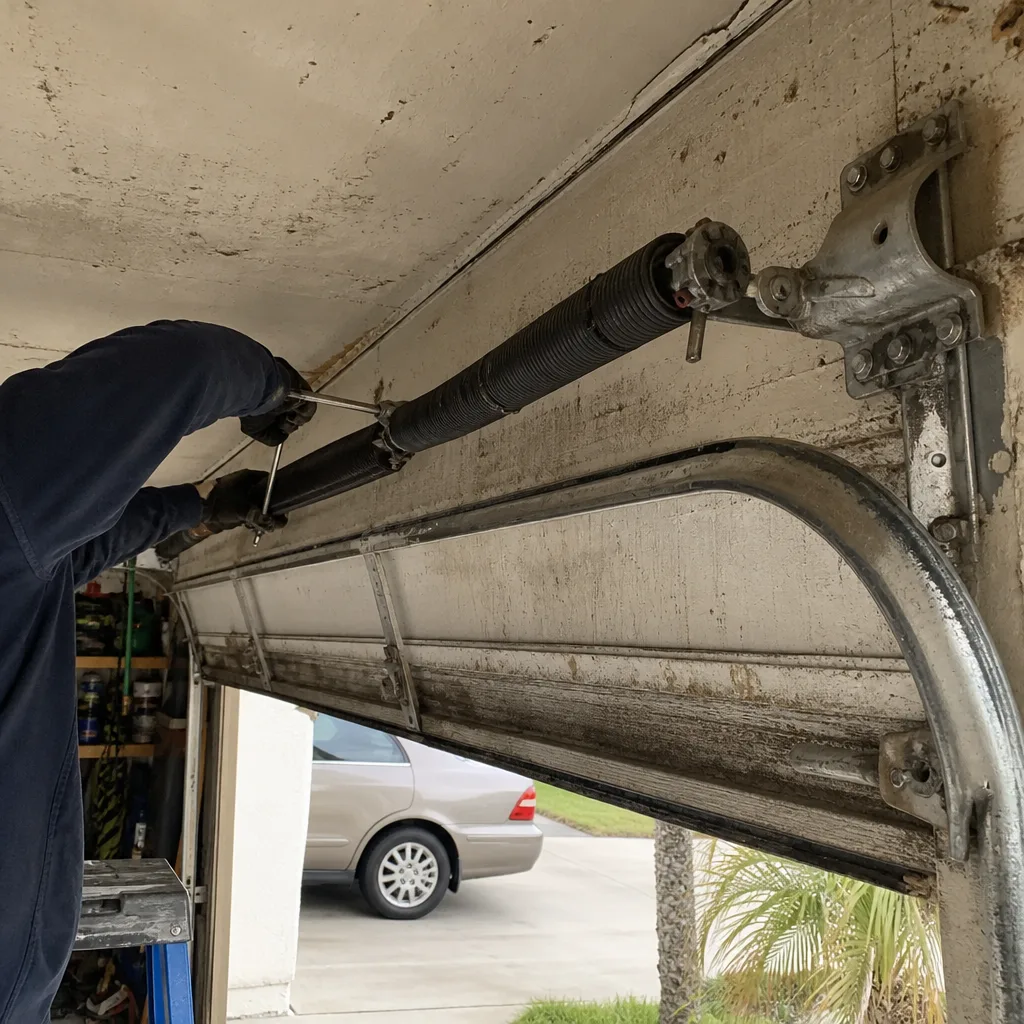 Before
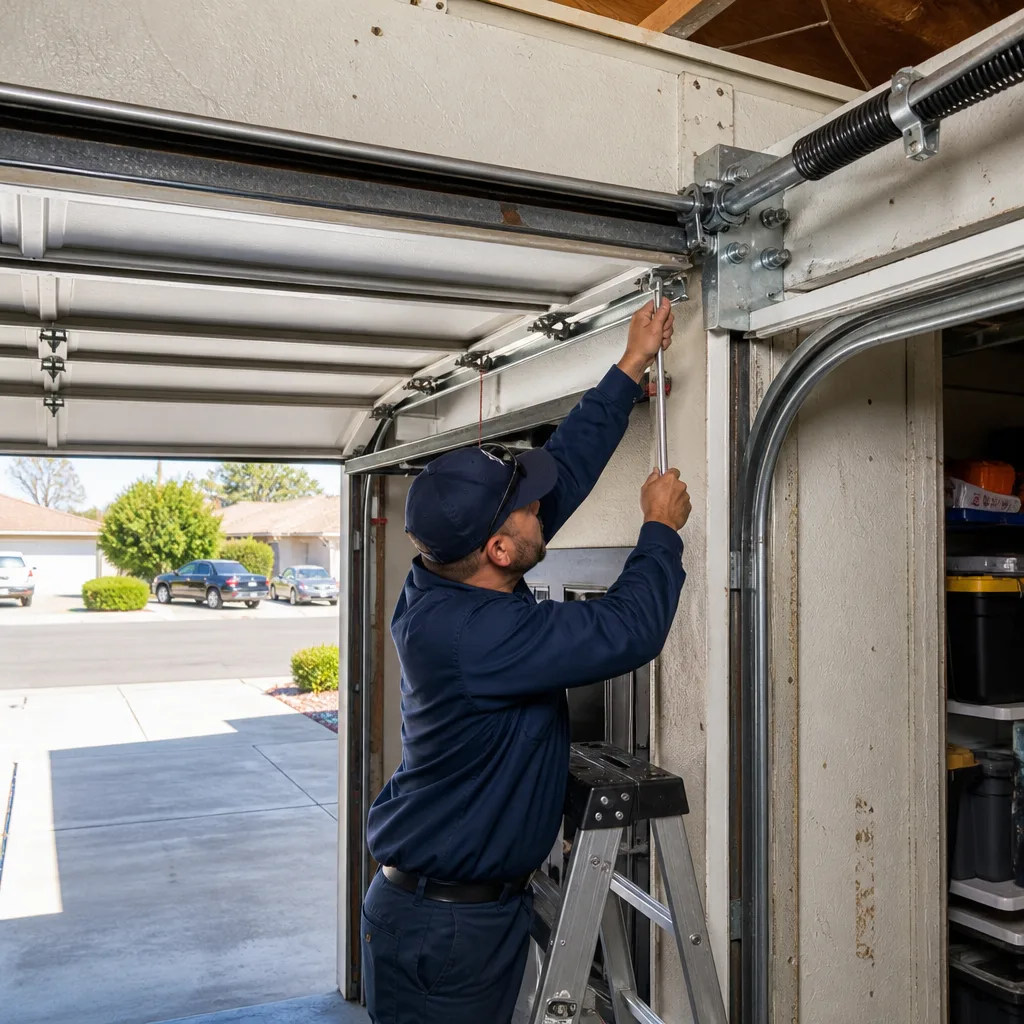 After
 Before
 After
 Before
 After