
Last updated October 30, 2026
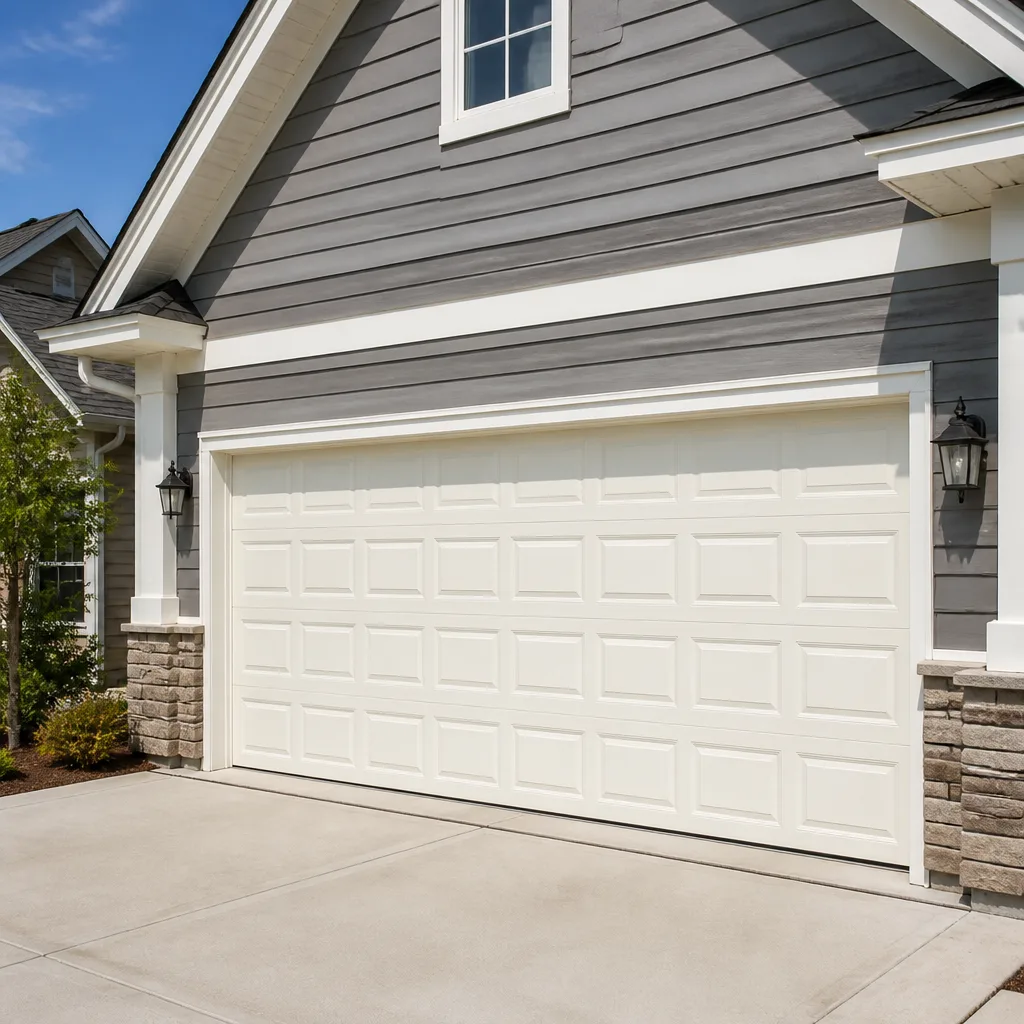 Raised-panel steel
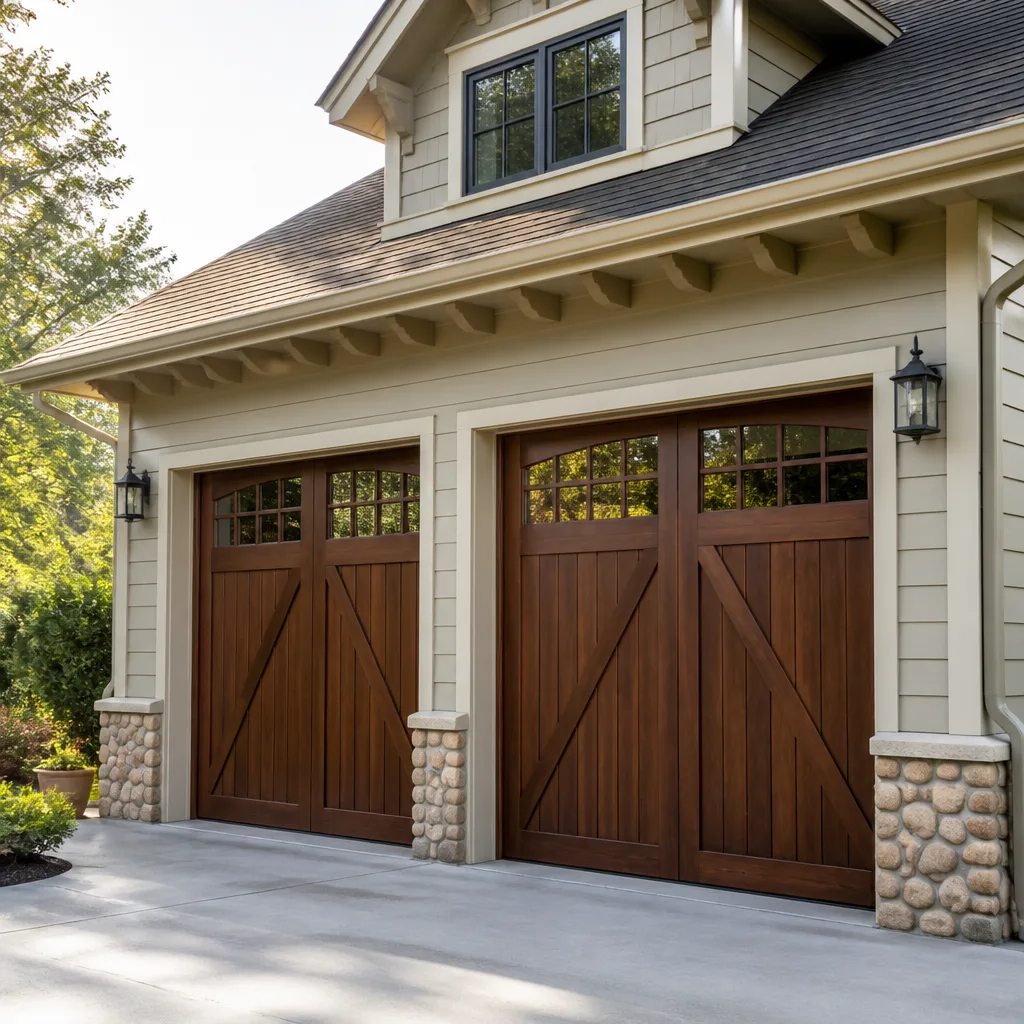 Carriage house
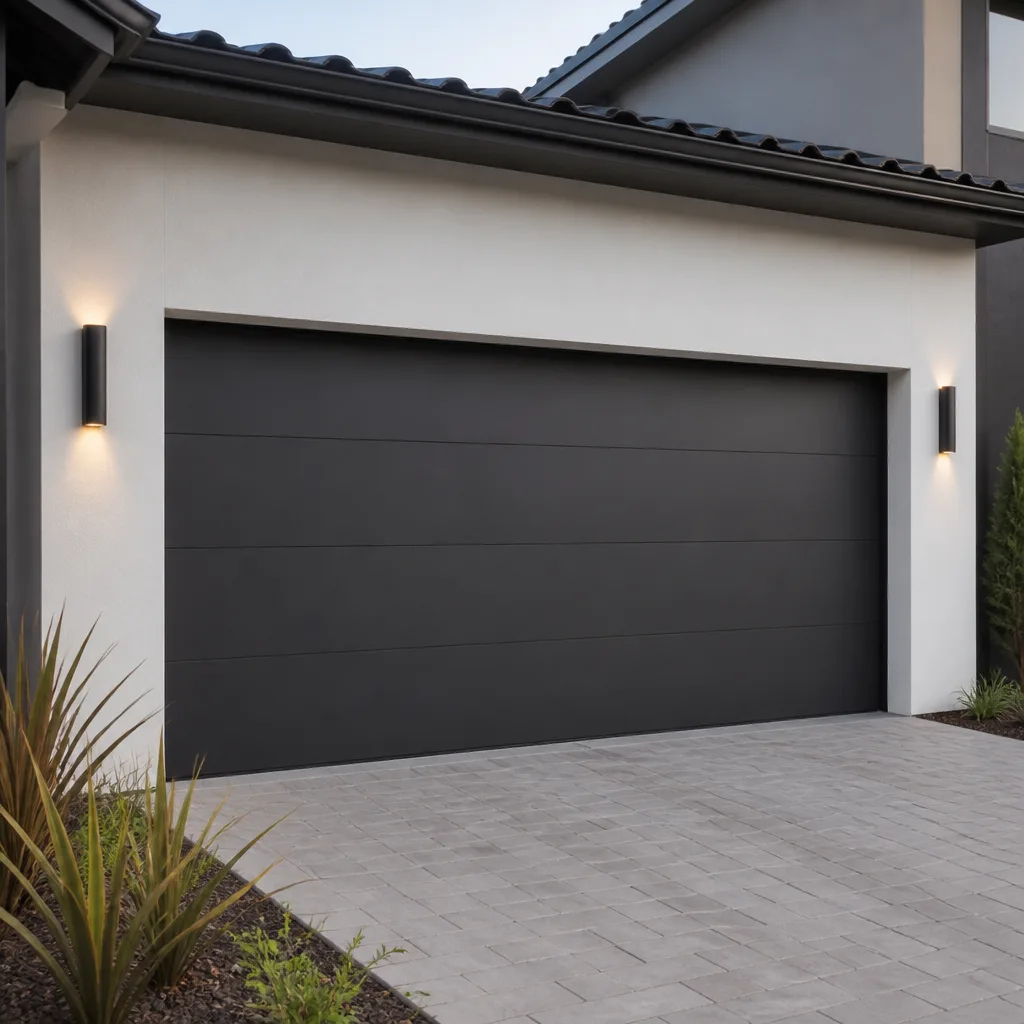 Modern flush
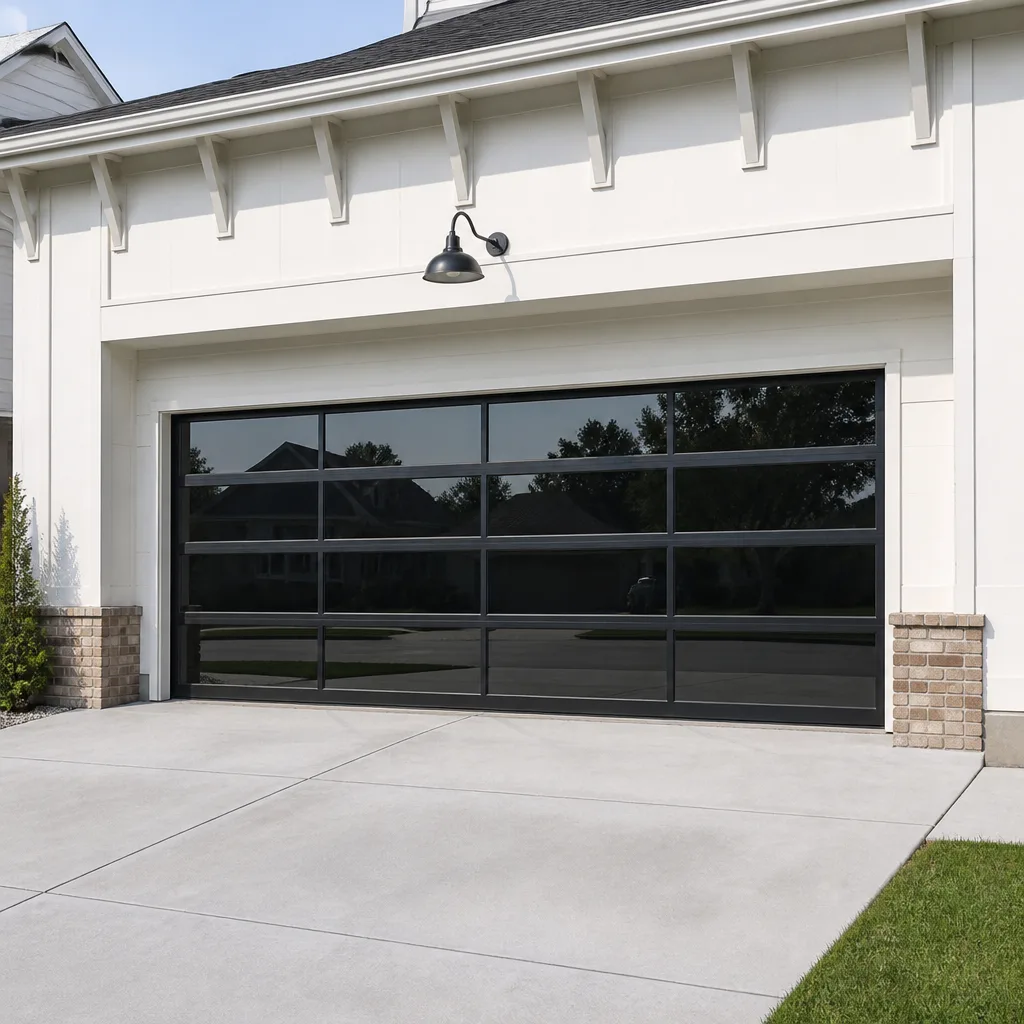 Full-view glass
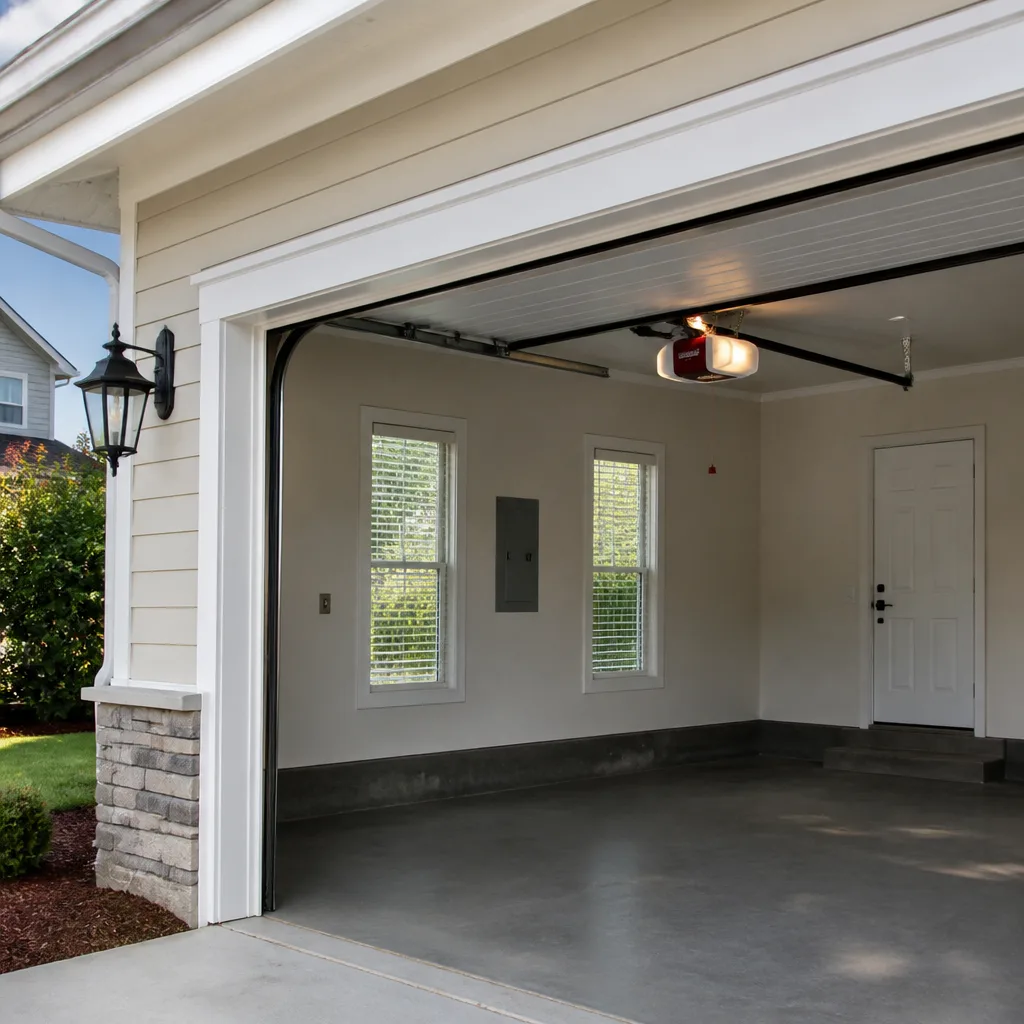 LiftMaster openers
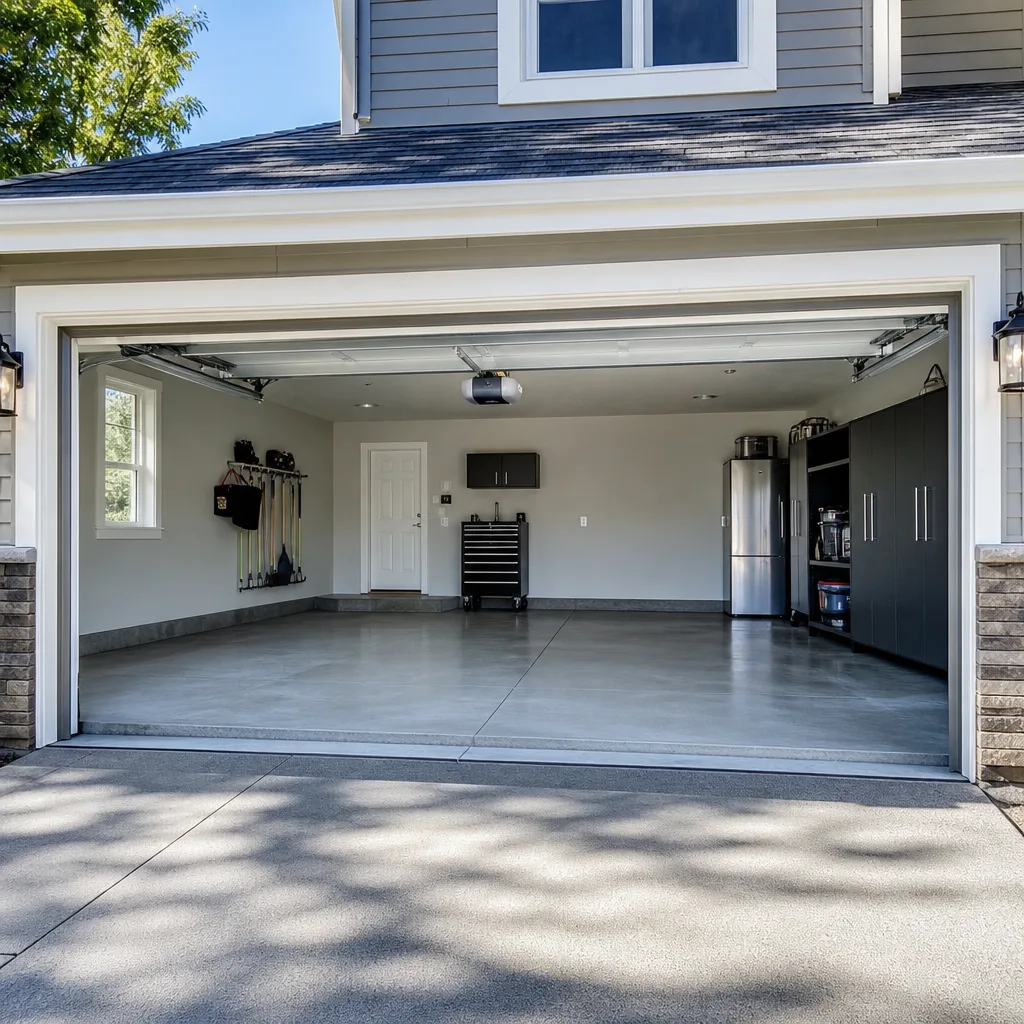 Chamberlain openers
Full 25-point door and opener safety check with every visit - springs, cables, rollers, tracks, and your LiftMaster or Chamberlain opener included
You get a price before we start. It does not change when the truck arrives.
Get your free estimateGarage Door Permits, Codes & Inspections in CA: What You Need to Know
A Huntington Beach homeowner recently discovered at escrow that an unpermitted garage door replacement from four years prior required retroactive inspection, delaying close by 11 days and costing $1,400 in re-inspection and correction fees. The original installer said permits “weren’t necessary.” They were wrong. This guide cuts through the confusion around California Building Code Chapter 11B, local Huntington Beach amendments, UL 325 opener standards, and the documentation you need to protect your resale value.
Styles & brands we work with
Quick Answer
Most like-for-like garage door panel replacements and spring repairs in California do not require a permit, but any work involving structural header modification, new door openings, or opener electrical circuits exceeding existing capacity typically does. In Huntington Beach, seismic bracing requirements add a layer of code compliance that out-of-state guides never address, and unpermitted structural work can block a home sale until corrected. When in doubt, document everything and consult a licensed specialist before the work begins.
Table of Contents
- California Building Code Chapter 11B: What Actually Applies to Garage Doors
- What Work Is Permit-Exempt in California
- When a Permit Is Required: The Trigger Points
- Huntington Beach Municipal Code Amendments: Local Rules That Override State Baseline
- Seismic Zone Designation and Door Bracing Requirements
- UL 325 Safety Standard: How California Enforces Garage Door Opener Rules
- Documenting Compliant Work for Resale: What to Keep Even on Permit-Exempt Jobs
- Common Mistakes to Avoid
- When to Call a Professional
- Frequently Asked Questions
- The Bottom Line
California Building Code Chapter 11B: What Actually Applies to Garage Doors
The California Building Code (CBC) is based on the International Building Code but adds state-specific amendments, and Chapter 11B covers accessibility requirements. For garage doors, the relevant sections address door width clearances, threshold heights, and operable hardware when a garage is attached to a dwelling unit. A garage door serving a residential garage must provide a minimum clear opening width of 32 inches when measured at a 90-degree angle when the door is in the open position, and the threshold cannot exceed half an inch in height unless a ramp or bevel is provided.
What surprises most Huntington Beach homeowners is that these accessibility provisions apply to replacement doors, not just new construction. If you replace a 16-foot-wide sectional door with a narrower unit that drops the effective clear opening below code minimums, you have a compliance problem. If you keep the same rough opening width but change the track configuration in a way that reduces the clear pass-through space, you may also trigger a violation. The code does not grandfather in a non-compliant condition simply because the old door had it.
Chapter 11B also addresses hardware operability. The interior release mechanism must be mounted no higher than 48 inches above the finished floor when measured to the operable part, and the force required to operate the release cannot exceed five pounds. This matters when upgrading to modern smart openers like a LiftMaster or Chamberlain unit: the wall-mount control panel placement and release cord length must meet these measurements, and a pre-installation check prevents a failed inspection later.
We work on your brand, not around it. When a door replacement involves a Raynor or Genie system that changes the track radius or headroom configuration, the rough opening geometry changes too, and that is where CBC Chapter 11B and the structural sections of CBC Chapter 16 intersect with real-world permitting consequences.
What Work Is Permit-Exempt in California
The California Residential Code (CRC) Section R105.2 lists work exempt from permit requirements. The list is specific, and it does not include the phrase “garage door replacement” as a blanket category. Instead, permit-exempt conditions depend on what the work changes. A true like-for-like panel replacement, where the door size, track type, spring configuration, and opener electrical connection remain identical to the original, generally falls under the exemption for “minor repairs” that do not alter the structure, electrical system, or life safety components.
Here is what typically does not require a permit in California:
- Panel replacement on an existing sectional door where the door dimensions, track hardware, and spring rating remain unchanged.
- Spring replacement, including torsion and extension springs, when the replacement springs match the original rating and application. This is a repair of an existing component, not an alteration.
- Roller and hinge replacement using parts equivalent to the original specification.
- Weatherstripping and seal replacement along the bottom edge or perimeter of the door opening.
- Remote control replacement or reprogramming of an existing opener, provided the opener unit itself is not being removed and replaced.
- Track realignment on the same mounting points when no new penetrations are made into the wall or ceiling structure.
In Huntington Beach, the permit counter at City Hall follows the same baseline, but staff will ask about the scope of work in plain language. If you say “I’m replacing the door panels and keeping everything else the same,” you are usually in exempt territory. If you say “I’m widening the opening” or “I’m changing from a one-piece tilt door to a sectional,” expect to be routed to the building permit application. The distinction matters because a permit-exempt repair still generates documentation. Keep the invoice, the work description, and photos of the completed work. Those records answer questions at escrow.
From the spring to the opener, the whole system. Our Garage Door Repair in Cudahy team approaches every service call the same way we do in Huntington Beach: we document what was replaced, why it was replaced, and confirm the work stays within permit-exempt scope.
When a Permit Is Required: The Trigger Points
Permits become necessary when the work touches structure, electrical capacity, or fire separation. The three primary trigger points in California are structural header modification, new door opening creation, and opener electrical circuits that require new wiring or circuit capacity.
Structural header modification is the most common surprise. A homeowner in the Adams Avenue corridor of Huntington Beach wants to convert a standard 9-foot-wide single door to a 16-foot-wide double door. That requires cutting into the shear wall, installing a larger header beam, and possibly adding hold-down hardware at the corners. That is a structural permit. No licensed contractor should perform that work without one, and any contractor who offers to do it “faster and cheaper without the paperwork” is creating a title defect the homeowner will pay for later.
A new door opening is the second trigger. Converting a carport to an enclosed garage, adding a door where a window existed, or creating a pass-through opening from the garage to the backyard all require permits. These are not repairs. They change the building envelope and the lateral load path.
The third trigger is opener electrical work. Installing a new opener where none existed requires a new electrical circuit or extension of an existing one, which falls under the California Electrical Code. Replacing an existing opener with a unit that draws the same amperage and connects to the existing outlet does not typically require an electrical permit. However, some heavy-duty screw-drive units from Genie or belt-drive systems from LiftMaster with battery backup may require a dedicated circuit if the existing branch circuit is already at capacity. A licensed electrician or a garage door specialist who understands the electrical code should evaluate this before installation.
In our experience, Huntington Beach inspectors are particularly attentive to wire gauge and connection type when an opener is added to a garage with older aluminum wiring. Homes built in the 1960s and 1970s in tracts south of Ellis Avenue frequently have original branch circuits that were never designed for continuous motor loads. A permit and inspection catch this before it becomes an overheating hazard.
Huntington Beach Municipal Code Amendments: Local Rules That Override State Baseline
Huntington Beach adopts the California Building Code with local amendments published in Title 17 of the Huntington Beach Municipal Code. The amendments that affect garage door work are subtle but enforceable. The city requires that all garage doors facing a public street maintain a minimum set of architectural standards, including finish material compatibility and color consistency with the primary dwelling. This is not an aesthetic suggestion. It is a code requirement administered by the Community Development Department.
That means a Huntington Beach homeowner replacing a street-facing garage door in the Edwards Hill or Downtown Specific Plan areas may need to choose from a finish palette that matches the neighborhood character. A bright raw aluminum door on a Spanish-style stucco home in the numbered streets district near Main Street could trigger a notice of violation even if the structural work is sound. The permit process exists partly to catch these conflicts before installation, which is one reason a permit can save money rather than cost it.
Huntington Beach also requires garage door installation contractors to register with the city and carry a business license on file. The city cross-references the permit application against the contractor’s registration. An unregistered installer cannot pull a permit in Huntington Beach, and work done by an unregistered contractor is treated as unpermitted work for enforcement purposes. Before you sign a contract, ask for the contractor’s Huntington Beach business license number and verify it with the city’s license portal.
The right fix for what you actually have installed. A brand-agnostic approach matters here because a Raynor door with custom panel finishes may satisfy the municipal aesthetic code while a mass-market panel from a different manufacturer cannot be color-matched within city guidelines. Knowing the brand and model before specifying replacement panels avoids a rejection at the plan check stage.
Seismic Zone Designation and Door Bracing Requirements
Huntington Beach sits in Seismic Design Category D, which triggers additional lateral bracing requirements under CBC Chapter 16 and the residential code sections on garage wall bracing. The garage door opening is the largest discontinuous element in a residential lateral-load-resisting wall. When a home is in Design Category D, the wall segments adjacent to the garage opening must have adequate braced wall panels sized for the opening width, and the header must be connected to those panels with a continuous load path.
What this means in practical terms: if your Huntington Beach garage has a 16-foot-wide door opening, the narrow wall segments on either side, often just 24 inches wide, must be engineered and built to the braced wall panel requirements for Design Category D. Replacing the door itself does not change this requirement, but widening the opening or altering the header does, and the new condition must comply with current seismic standards, not the standard in effect when the home was built.
Door bracing requirements also apply to the door itself. In Design Category D, garage doors must be tested and labeled for wind pressure resistance under CBC Chapter 16, and the track attachment to the building structure must use fasteners sized for the uplift and lateral forces specific to coastal Orange County. Out-of-state installer guides often skip this entirely. A door that meets Florida wind codes is not automatically compliant with California seismic detailing. The track mounting brackets, the fastener spacing into the jamb studs, and the header connection all have to be checked against the local conditions.
We regularly see older track systems in Huntington Beach attached with small-diameter wood screws that have backed out over decades of seismic micro-movement. When we replace a Genie or LiftMaster opener on one of these doors, we check the track fastening as part of the job. Loose track systems fail under the exact lateral loading that Design Category D anticipates, and the opener motor cannot compensate for a door that is drifting out of plane.
UL 325 Safety Standard: How California Enforces Garage Door Opener Rules
UL 325 is the national safety standard for garage door openers, gate operators, and similar power-operated systems. It governs the photoelectric sensor system, the automatic reversal mechanism, and the contact reversal force limit. Every residential garage door opener sold in the United States must comply with UL 325, and California enforces this through the state’s adoption of the National Electrical Code and the California Electrical Code, both of which reference UL 325 for entrapment protection devices.
California’s enforcement differs from the federal baseline in one important way: local inspectors in Orange County cities check entrapment protection function during final inspection of any permitted garage door or opener installation. The inspector will place a test object, typically a 2-by-4 laid flat, in the door’s path and verify that the door reverses within two seconds of contact and does not exert more than 15 pounds of force before reversing. They also verify that the photoelectric sensors are mounted no higher than 6 inches above the floor and that interrupting the beam while the door is closing causes an immediate reversal.
Older openers that predate the 1993 mandate for photoelectric sensors are not grandfathered in California under most circumstances. If the opener is being replaced, the new unit must meet current UL 325 requirements, and the installation must include functional sensor wiring. A Chamberlain or LiftMaster opener with battery backup will include a DC motor with a soft-start feature, which reduces the initial force spike that older AC motor openers produce. That matters for passing the contact reversal test because a soft-start motor stays within the 15-pound force limit more easily during the initial contact moment.
For homeowners in Huntington Beach with detached garages behind the house, typically in the older neighborhoods around Golden West College, the sensor placement and sun exposure create a specific problem. Direct afternoon sunlight can blind the photoelectric sensor, causing intermittent failure during the exact hours when the sun is low on the western horizon. California inspectors do not accept a disabled sensor system, ever. The correct fix is sun shields, sensor realignment, or in extreme cases relocating the sensors to a shaded position on the track. We solve this regularly on service calls.
Documenting Compliant Work for Resale: What to Keep Even on Permit-Exempt Jobs
Documentation is the cheapest form of insurance you will ever carry. A permit-exempt garage door repair or panel replacement still generates paperwork, and that paperwork is what a buyer’s agent will request during escrow. Our Garage Door Warning Signs: A Huntington Beach Homeowner’s Reference Guide explains what else buyers may flag. Without it, the buyer has no way to verify that the work was legitimately exempt, and a cautious escrow officer may require a retroactive permit or inspection to clear the title contingency.
Here is the numbered documentation protocol we recommend for every Huntington Beach garage door job, permitted or not:
- Work order or invoice that states the full scope of work, the door brand and model, the opener brand and model, and a written confirmation that the work is within permit-exempt scope or that a permit was obtained.
- Photos before and after from inside and outside the garage, including close-ups of the track mounting hardware and spring assembly.
- Permit documentation if a permit was pulled: the permit number, the inspection sign-off, and the final inspection date. Keep the physical copy and scan a digital backup.
- Product manuals and warranty cards for the door panels, springs, and opener unit. The UL 325 compliance label on the opener is part of the documentation chain.
- Receipts for any electrical work performed alongside the opener replacement, including the electrician’s license information.
- Correspondence with the city, if any, including email confirmations from the Huntington Beach permit counter that a given scope is exempt.
Keep these records in a folder or cloud drive tied to the property address, not to you personally. When the house sells, the documentation transfers with the home and answers every question before it becomes a delay. The Huntington Beach homeowner who lost 11 days at escrow did not have item six. A one-line email from the city would have cleared the contingency without the $1,400 correction bill.
For any replacement or repair work, our Garage Door Installation in Cudahy customers receive the same documentation protocol we follow in Huntington Beach. The paperwork is part of the job, not an afterthought.
Common Mistakes to Avoid
- Assuming all door replacements are permit-exempt. A like-for-like panel swap usually is. Changing the opening size, header, or door type is not. Get a written determination from Huntington Beach before the work starts if you are unsure.
- Hiring an unregistered installer. Huntington Beach requires garage door contractors to register with the city and carry a business license on file. An unregistered installer cannot pull a permit and any work done becomes an enforcement liability for you, the homeowner.
- Ignoring the aesthetic code for street-facing doors. Huntington Beach enforces finish and color compatibility standards on street-facing garage doors in specific plan areas. A door that violates the municipal code can trigger a notice of violation even if the structural work is perfect.
- Disabling or relocating photoelectric sensors to get around sunlight interference. UL 325 sensors are mandatory in California, and inspectors test them. Fix the sun glare problem with shields or repositioning, never by bypassing the sensor.
- Keeping no documentation for permit-exempt work. Escrow does not care that the work was exempt. Escrow cares that you can prove it was exempt. Keep the invoice, the scope description, and photos.
- Replacing an opener on an already-loaded circuit. Older Huntington Beach homes with original 1960s and 1970s branch wiring may not have capacity for a modern opener with battery backup. Check the circuit amperage before installation.
- Widening a garage opening without a structural permit. This is the single most common title defect we see in Huntington Beach resale transactions. The wall segments beside a 16-foot door in Seismic Design Category D must be engineered. A wider opening without a permit creates a real safety hazard and a guaranteed escrow problem.
When to Call a Professional
Call a professional when the scope of work moves beyond a true like-for-like replacement. That includes any plan to change the rough opening width or height, convert a tilt door to a sectional, replace a header or side jamb, add a new opener where none existed, or address track mounting hardware that has loosened over decades of seismic movement. These situations require a trained eye on the structural and electrical implications, and the cost of a professional evaluation is a fraction of what a retroactive permit and correction will run at escrow.
Corner Post Garage Door Repair works on eight major brands, including Raynor, LiftMaster, Chamberlain, and Genie, and we diagnose and document every job with the Huntington Beach code context in mind. Call (833) 620-3836 for a free estimate, and we will tell you honestly whether your project needs a permit before any work begins, or browse more guides & resources to research first.
Frequently Asked Questions
In California, a like-for-like replacement where the door size, track configuration, spring load, and electrical connections remain unchanged typically does not require a permit. If you are changing the door opening dimensions, modifying the header, or adding new electrical circuits, you will need a permit from the City of Huntington Beach. Call (833) 620-3836 and we can tell you which side of the line your project falls on before you spend a dollar.
A residential garage door permit in Huntington Beach typically runs between $80 and $300 depending on the scope, with plan check fees adding to that when structural changes are involved. The exact fee depends on the valuation of the work and whether it is a straight replacement or involves header or opening modifications. For a precise current number, the permit counter at Huntington Beach City Hall can quote the fee based on your project description, and we can help you prepare that description accurately.
You can sell, but the unpermitted work must be disclosed, and a buyer’s lender may require retroactive permits and inspections before funding. In Huntington Beach, unpermitted structural changes to a garage opening are among the most common escrow blockers we hear about from homeowners. The fix is usually a retroactive permit, an inspection, and any corrections the inspector requires, which is exactly what happened in the case we opened this guide with.
UL 325 is the safety standard governing photoelectric sensors, automatic reversal force limits, and entrapment protection on residential garage door openers. Every opener sold in the United States must comply, and California inspectors verify compliance on any permitted installation. If your opener’s sensors have been disabled or the unit predates the 1993 sensor mandate, you should budget for replacement with a current LiftMaster or Chamberlain unit. Call (833) 620-3836 for an exact quote, and ask about our brand-specific replacement options.
Yes. Huntington Beach is in Seismic Design Category D, which means the wall segments beside the garage opening must meet braced wall panel requirements, and the track system must be fastened to resist both lateral and uplift forces. A standard out-of-state installation that meets wind codes does not automatically meet California seismic detailing. We check track fastening and header connection on every service call in Huntington Beach because loose hardware is a failure point under the exact loading conditions the code anticipates.
Keep the work order or invoice with the full scope description, before and after photos, product manuals and warranty cards, any permit documentation with inspection sign-offs, and any correspondence with the Huntington Beach permit counter. Store all of it in a location tied to the property address, not to you personally, so it transfers to the next owner. This paperwork is what clears escrow questions before they become delays.
The Bottom Line
The California garage door permit landscape runs on specifics, not assumptions. A like-for-like panel replacement is usually permit-free, but structural changes, opening modifications, and new opener circuits cross the line into permit territory fast. Huntington Beach adds municipal code requirements on top of state baseline, plus seismic detailing that out-of-state guides never cover. The homeowner who understands these triggers and keeps documentation on every job, exempt or not, is the one who closes on time. The homeowner who takes a contractor’s verbal assurance is the one standing at escrow with an $1,400 problem. Eight major brands. One call. Corner Post Garage Door Repair offers free estimates in Huntington Beach, and we will tell you honestly whether your project needs a permit before any work starts. Call (833) 620-3836 today.
Written by the team at Corner Post Garage Door Repair, serving Huntington Beach since 2015.
Related services: Corner Post Garage Door Repair home | Garage Door Opener Repair in Cudahy
See the difference
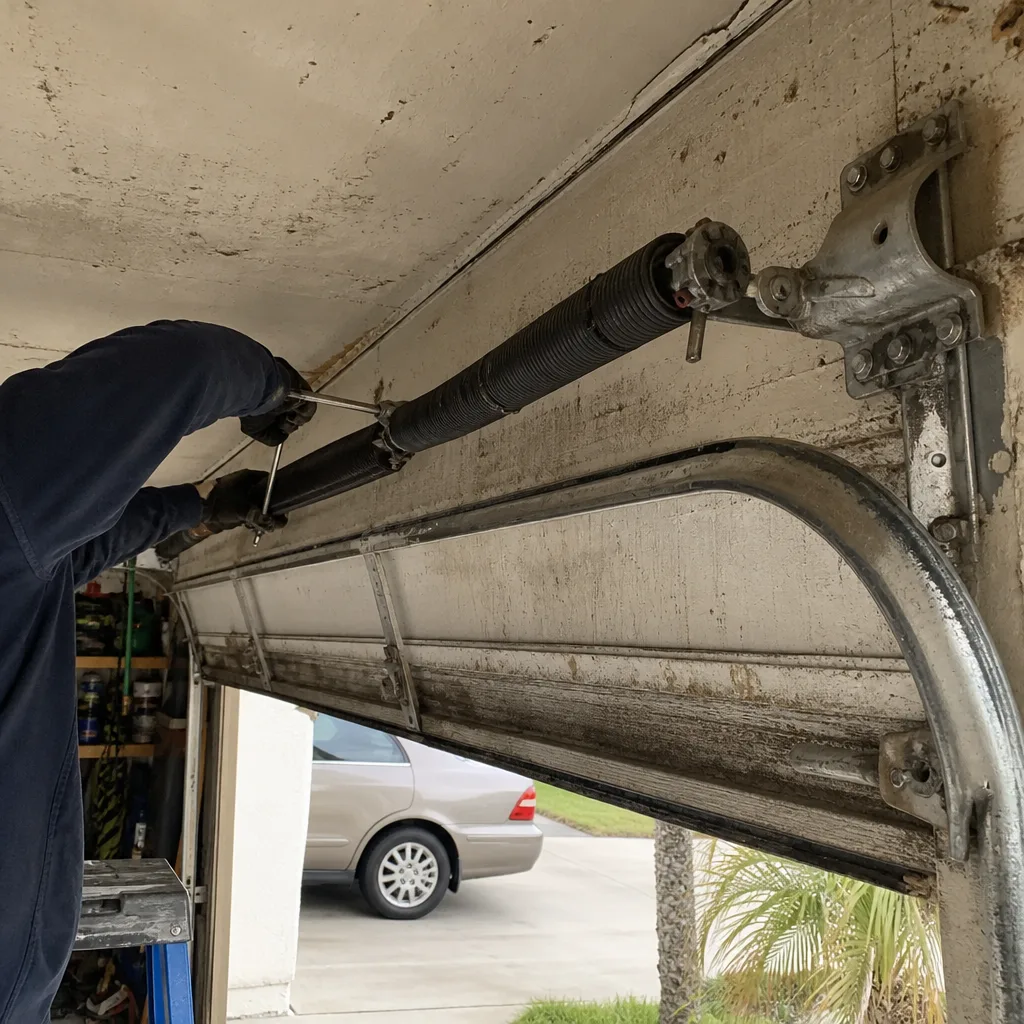 Before
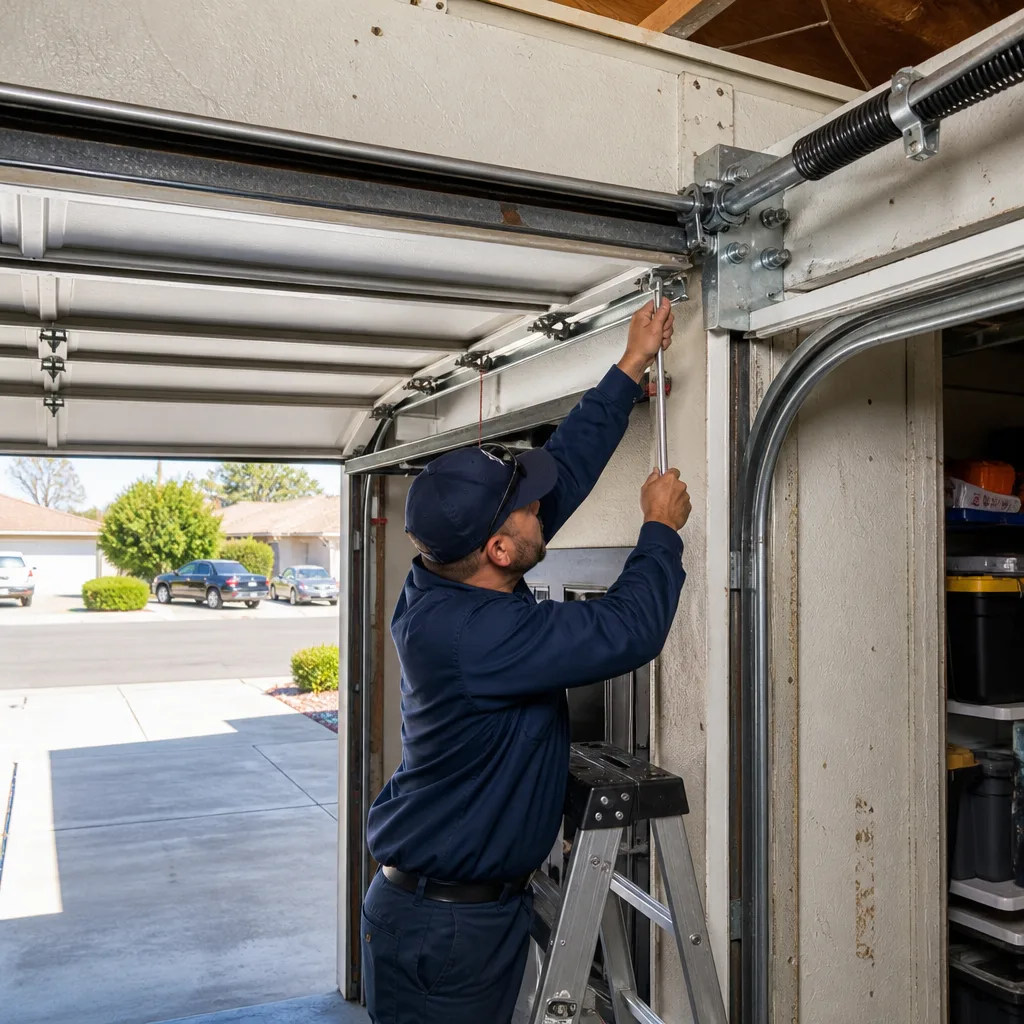 After
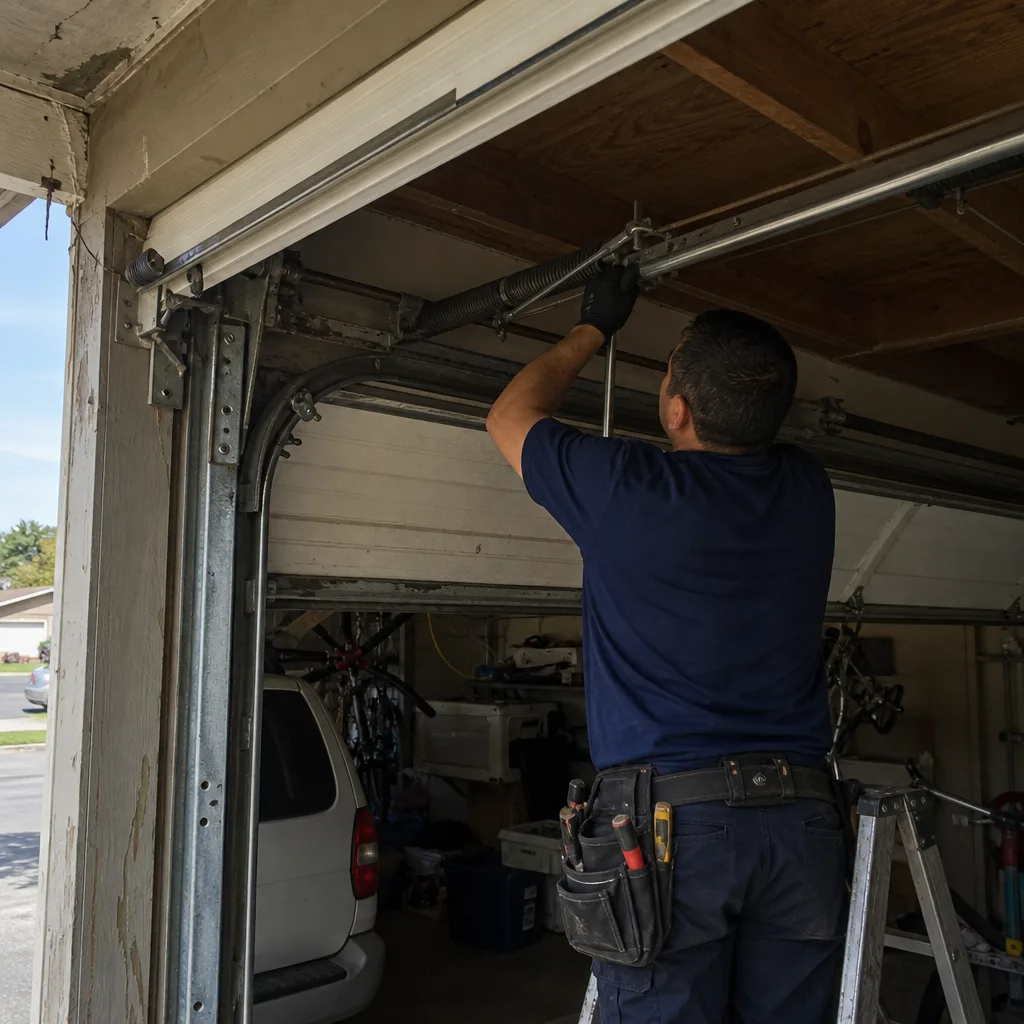 Before
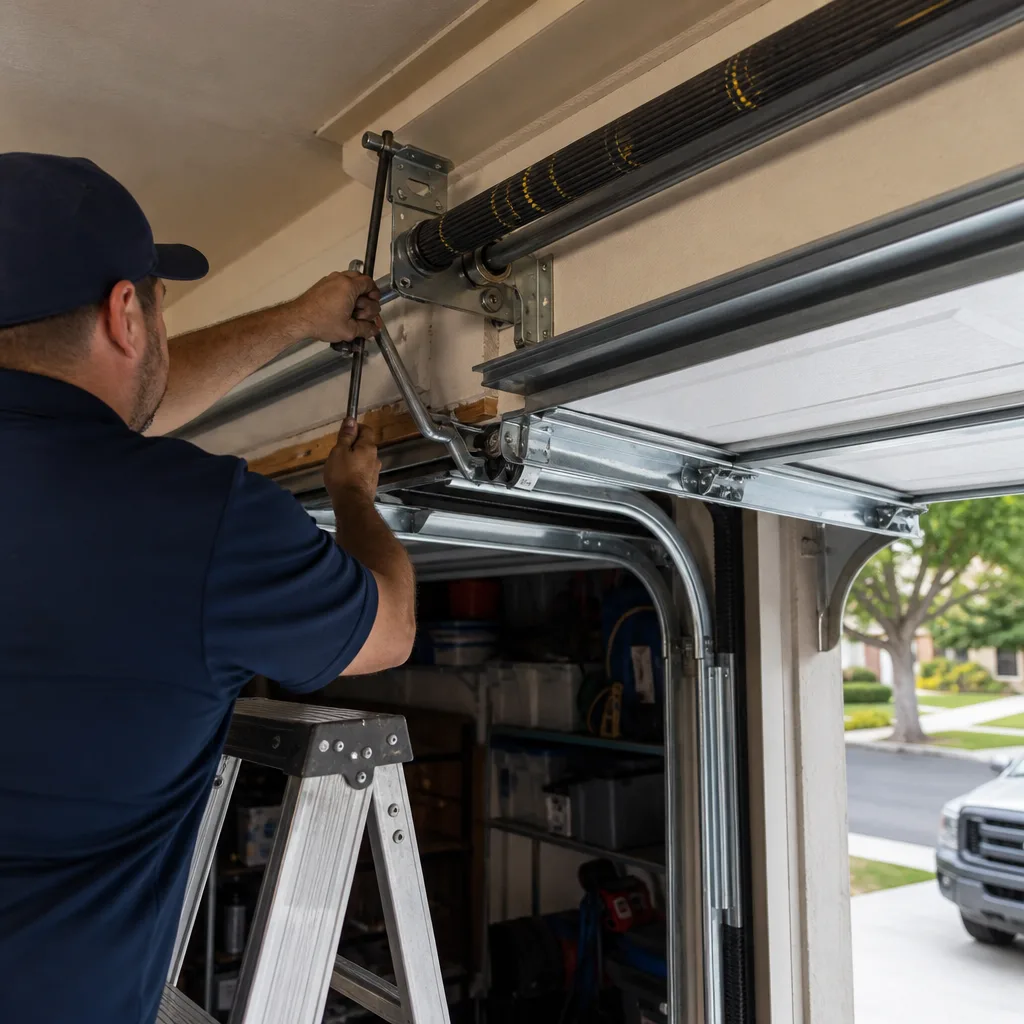 After
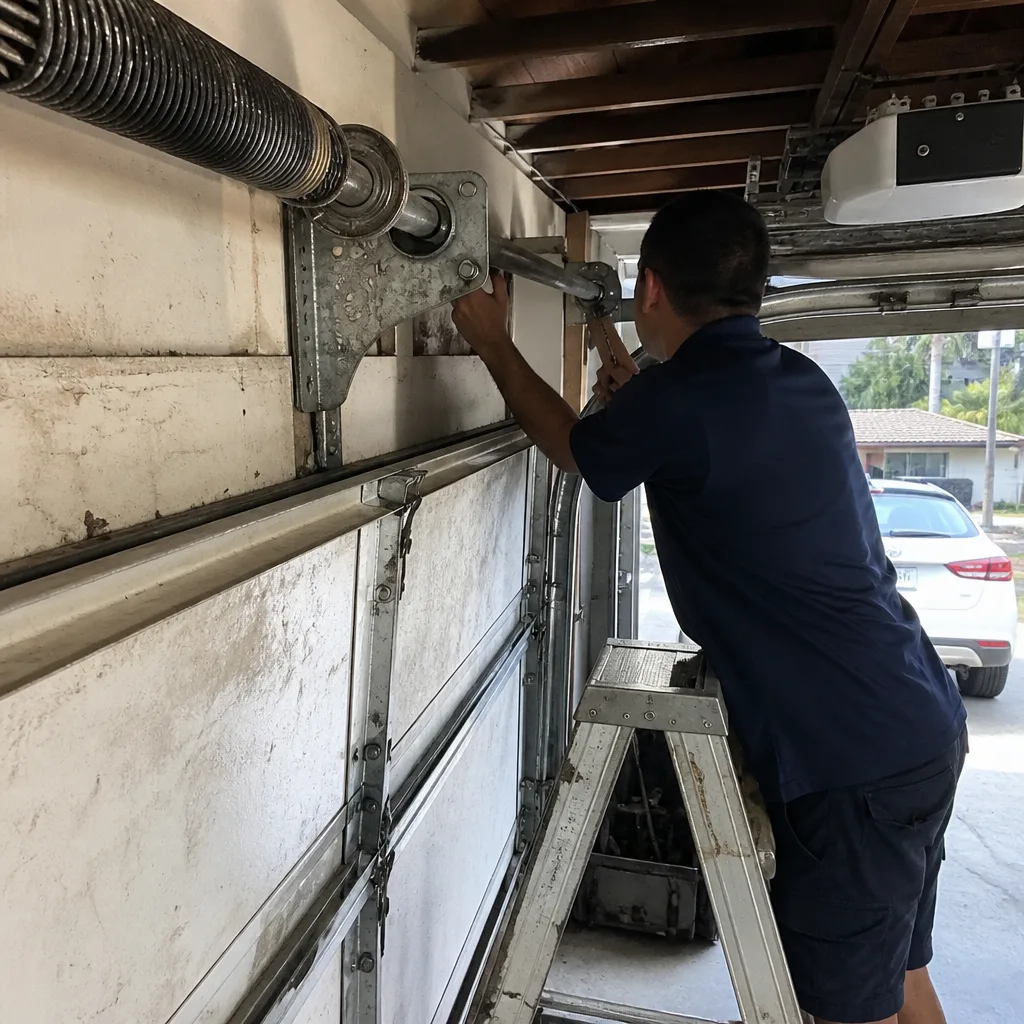 Before
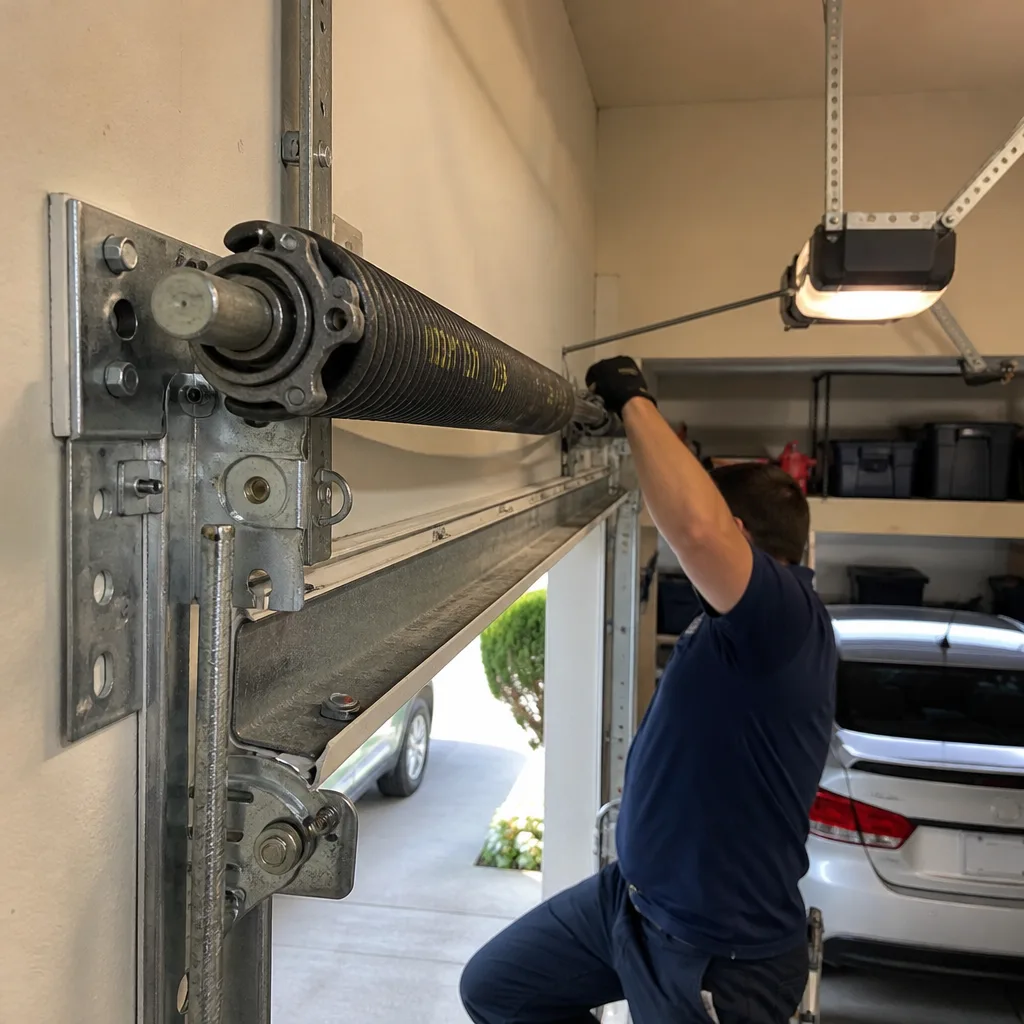 After