
Last updated October 30, 2026
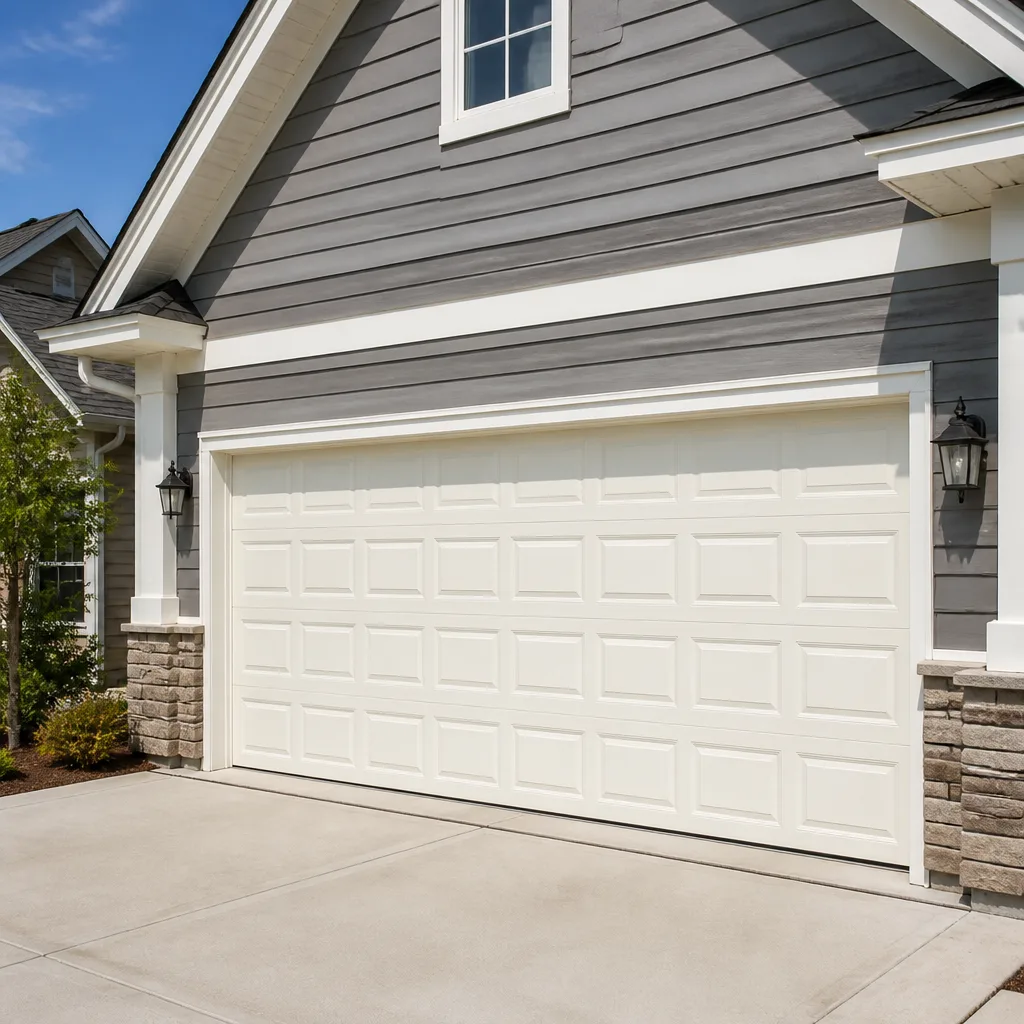 Raised-panel steel
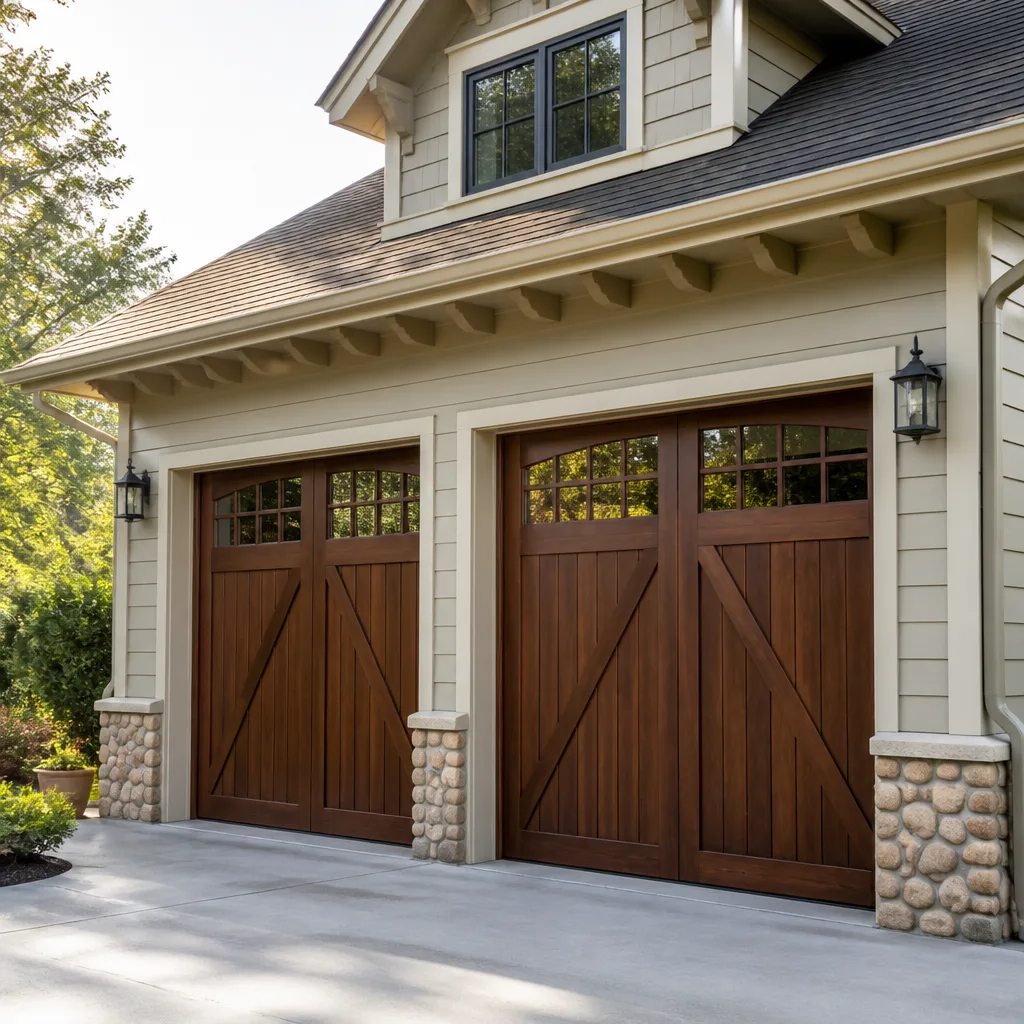 Carriage house
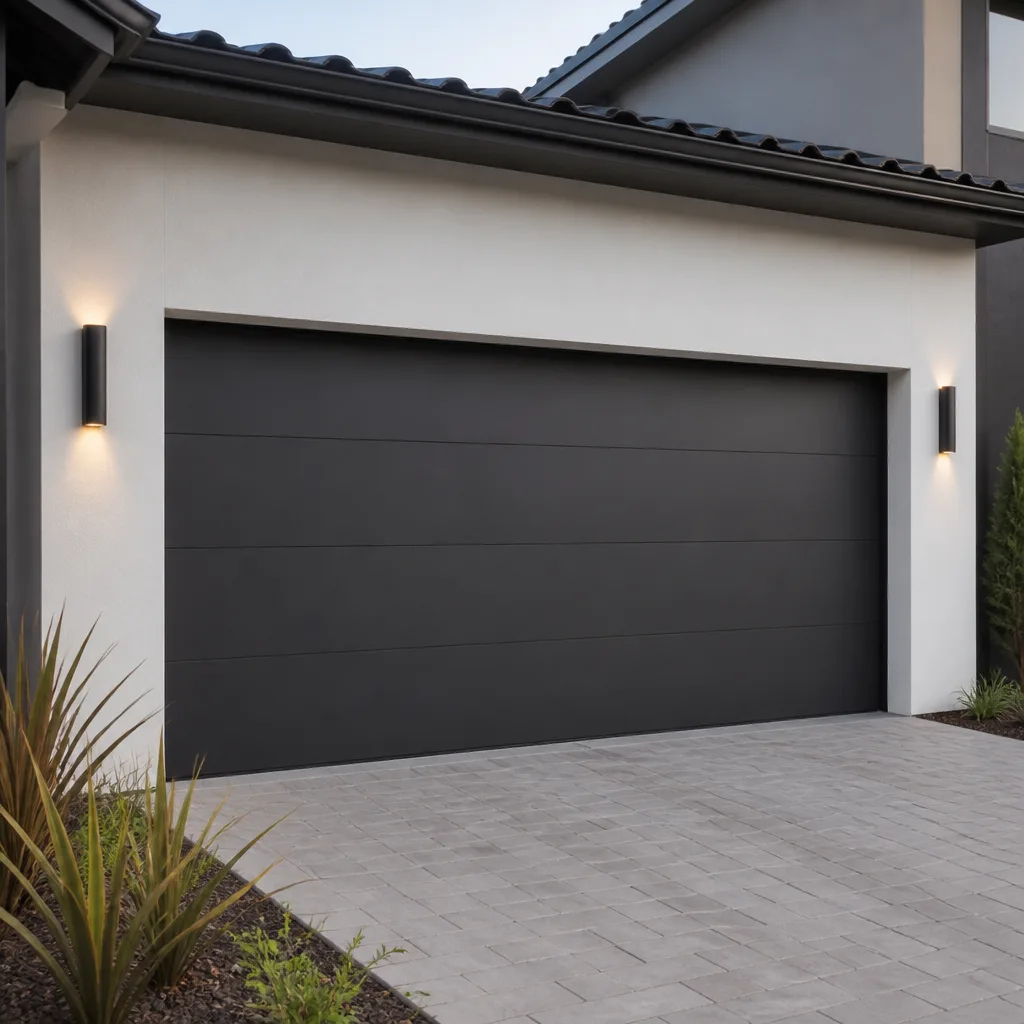 Modern flush
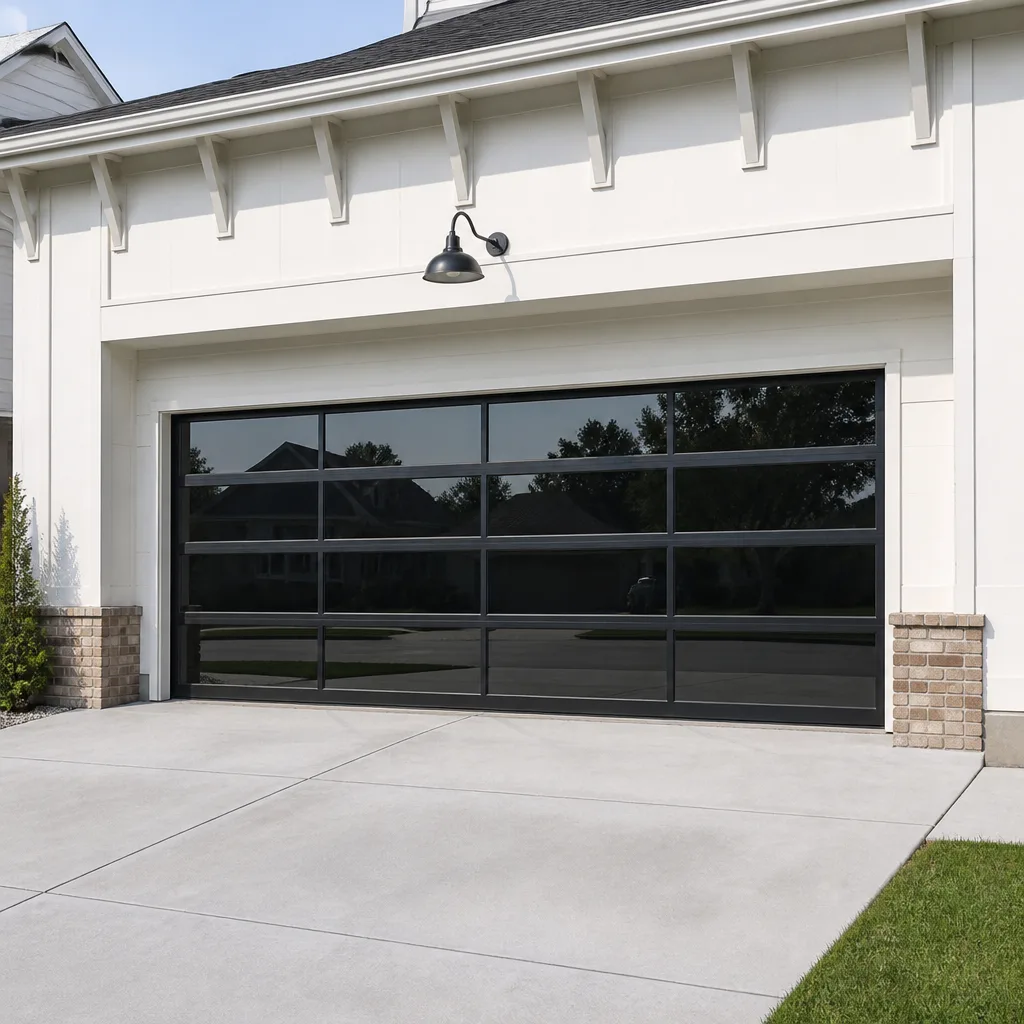 Full-view glass
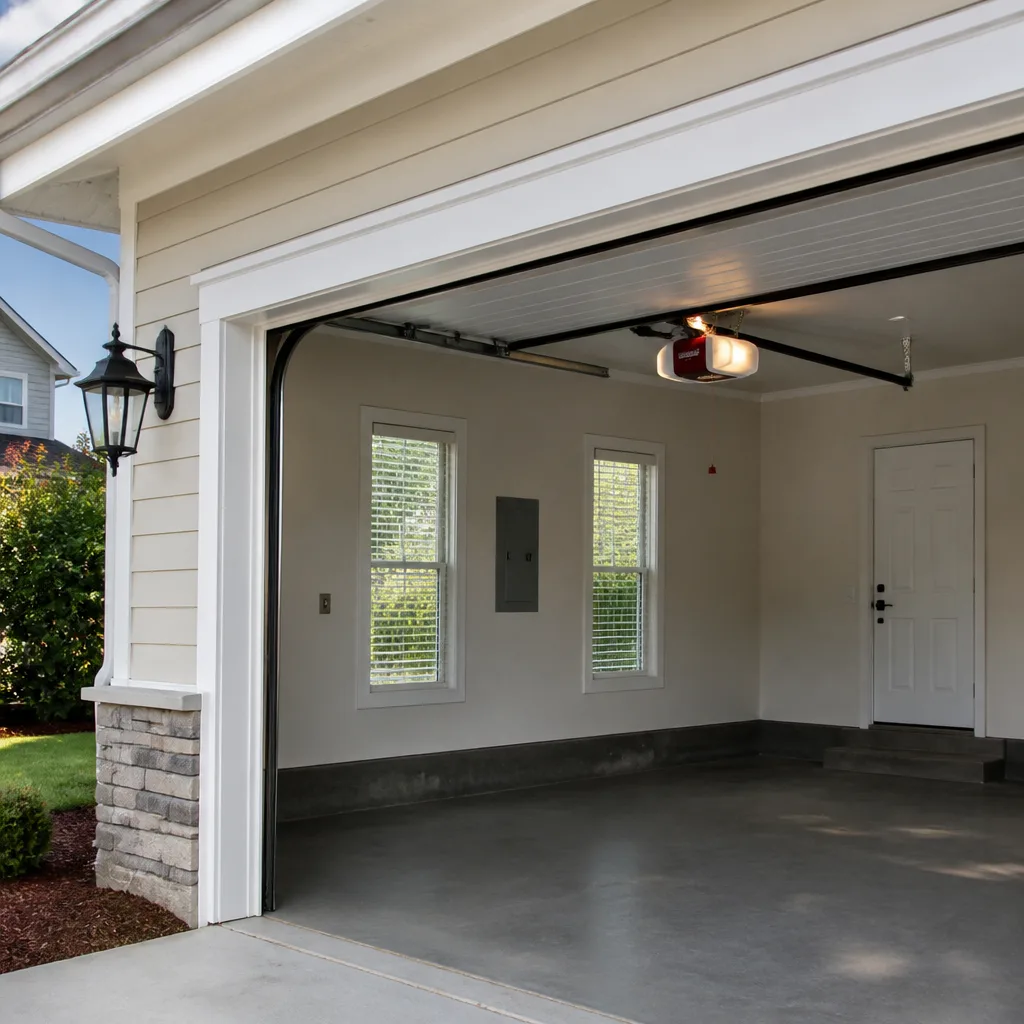 LiftMaster openers
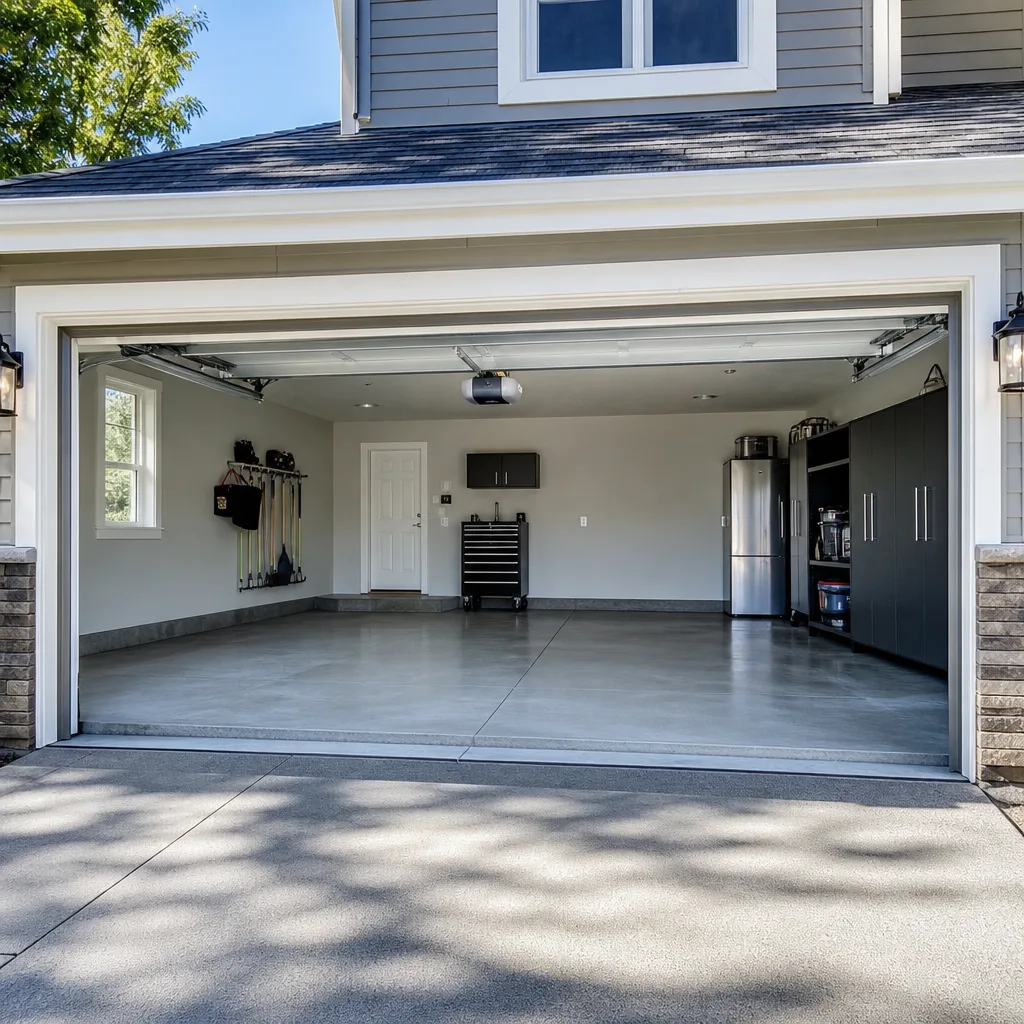 Chamberlain openers
Full 25-point door and opener safety check with every visit - springs, cables, rollers, tracks, and your LiftMaster or Chamberlain opener included
You get a price before we start. It does not change when the truck arrives.
Get your free estimateHow to Hire a Garage Door Contractor in Huntington Beach: A Step-by-Step Guide
Most homeowners in Huntington Beach will hire a garage door contractor exactly once or twice in their lives. That means the person you call has done this hundreds of times, while you’re doing it for the first time. The information gap is real. A 2023 CSLB enforcement report found that unlicensed contractor activity in Orange County generated more consumer complaints than any other single trade category. This guide walks you through exactly how to close that gap, starting with the two-minute license check that eliminates most bad actors before they ever touch your door. For more guides & resources, see our blog. We’ll cover coastal-specific pricing traps, how to read an estimate line by line, and the questions that reveal whether you’re dealing with a multi-brand technician or a single-brand salesperson in disguise. By the end, you’ll know more about vetting a garage door contractor in Huntington Beach than most people learn in a decade of homeownership.
Quick Answer
To hire a garage door contractor in Huntington Beach, verify their California C-61/D28 license through the CSLB database, confirm they have experience with your specific door brand, request a written estimate with line-item pricing, and check that the quote specifies galvanized or coastal-rated hardware for homes within three miles of the ocean. A legitimate contractor will provide all of this without hesitation. The entire verification process takes under ten minutes and saves thousands in botched repairs.
Styles & brands we work with
Table of Contents
- Step 1: Verify the C-61/D28 License Before Anyone Comes to Your House
- Step 2: Ask Questions That Reveal Multi-Brand vs. Single-Brand Technicians
- Step 3: Understand Huntington Beach Coastal Pricing and Hardware Requirements
- Step 4: Read Your Garage Door Estimate Line by Line
- Step 5: Separate Real Warranties from Verbal Promises
- Step 6: Spot the Red Flags Before You Sign Anything
- Step 7: Make the Final Decision and Schedule the Work
Step 1: Verify the C-61/D28 License Before Anyone Comes to Your House
California law requires anyone performing garage door repair or installation work valued over $500 to hold a C-61/D28 specialty license, which covers “Door and Gate” work, or to work under the supervision of a licensed contractor. Here’s the problem: fewer than half the garage door trucks advertising on Yelp and Google in Orange County can produce a valid license when asked. In Huntington Beach, where the median home value sits above $1.2 million, an unlicensed technician working on a high-tension spring system creates both a safety hazard and a liability gap your homeowner’s insurance may not cover.
The verification process takes two minutes. Here’s how to do it:
- Go to the CSLB website at cslb.ca.gov and click “Check a License.”
- Enter the contractor’s name or license number. Ask for the number by phone before you schedule anything.
- Confirm the license status says “Active” and the classification includes C-61/D28. A general contractor license (B) without the D28 specialty does not cover garage door work.
- Check the “Workers’ Comp” field. If the contractor has employees but no workers’ comp coverage, you could be liable for injuries on your property.
- Look at the license issue date. A license issued three months ago with no prior construction history is a yellow flag. You want someone who’s been licensed long enough to have a track record.
We hear the same objection from Huntington Beach homeowners in the Seacliff and Edwards Hill neighborhoods: “It’s just a spring replacement, why does licensing matter?” Because a garage door spring under tension stores enough energy to seriously injure or kill a person. An unlicensed technician who gets hurt in your garage becomes your liability. A licensed contractor carries workers’ comp and liability insurance that protects you from that scenario. The license check isn’t bureaucracy. It’s the single fastest filter for separating professionals from gamblers.
If you’re comparing options across the broader Los Angeles area, the same CSLB verification applies whether you’re hiring for Garage Door Repair in Cudahy or anywhere else in the state. The database is statewide. The standards don’t change at the county line.
Step 2: Ask Questions That Reveal Multi-Brand vs. Single-Brand Technicians
Here’s a distinction most homeowners never think about, and one we cover in our Choosing the Right Garage Door Brand: A Buyer’s Guide for Huntington Beach: many garage door companies in Orange County are dealerships for one specific manufacturer. They stock one brand of parts, one brand of openers, and one brand of doors. When your Wayne Dalton door needs a new cable drum or your Craftsman opener needs a gear kit, a single-brand technician has two options: order the part and make you wait a week, or convince you to replace the whole system with the brand they happen to sell.
A multi-brand technician doesn’t have that constraint. They carry a range of parts on the truck and they’re trained on how different manufacturers design their hardware. That matters more than most people realize, because a LiftMaster opener and a Genie opener use different logic boards, different safety sensor wiring, and different travel limit systems. The technician who can diagnose both without a manual is worth more per hour, and you’ll usually pay less in total because they’re not padding the job with unnecessary replacements.
Three questions that separate a real multi-brand technician from a brand rep in work boots:
- “Can you list the brands you service from memory?” A multi-brand technician answers instantly. A single-brand rep stumbles or says “we can work on anything” without specifics. Specificity is the tell.
- “What brands of openers do you stock parts for?” If they only name one or two, that’s a dealership. A multi-brand shop carries inventory for the major players like LiftMaster, Chamberlain, Genie, Clopay, Amarr, Wayne Dalton, Craftsman, and Raynor.
- “If my current door is a [brand], do you recommend I replace it with the same brand or something different?” A brand-agnostic technician asks you first: how old is the door, what’s the usage pattern, what’s the budget. A salesperson starts pitching their inventory before they’ve seen the door.
- Single torsion spring replacement (galvanized, coastal-rated): $180-$320 depending on door weight and cycle rating.
- Double spring replacement (recommended, both springs wear at the same rate): $280-$500.
- Cable replacement (both sides, stainless steel): $150-$250.
- Roller replacement (10-12 nylon rollers, sealed bearings): $120-$220.
- Opener motor replacement (belt drive, mid-tier brand): $350-$650 installed.
- Full door replacement (single-car, steel, coastal insulation package): $1,200-$2,800 installed.
- Full door replacement (double-car, steel, coastal insulation package): $1,800-$3,800 installed.
- Parts: Torsion spring, cable, roller, hinge, bracket, or opener. Should include brand name and model number where applicable. If the part line just says “spring,” ask for the specific manufacturer and cycle rating.
- Labor: Usually quoted as a flat rate per job, not hourly. Expect $75-$150 per hour equivalent for licensed work in Orange County. Flat-rate quotes are standard for spring and cable replacements.
- Disposal/recycling: $25-$75 for removing old parts or an old door. Some contractors bury this charge, others list it separately. Either way, it’s legitimate.
- Hardware upgrade: If you’re near the coast, look for a line specifying galvanized or stainless parts. This is a fixed cost you should not negotiate away.
- Service call / diagnostic fee: $45-$89 is normal if you decline the repair. Most legitimate companies waive this if you approve the work. Confirm this before anyone shows up.
- Torsion springs: 1-5 years depending on cycle rating. A 10,000-cycle spring should carry a longer warranty than a 5,000-cycle spring. Ask for the cycle count and the warranty term in the same sentence.
- Openers (motor and gear assembly): 5 years to lifetime depending on brand. LiftMaster, Chamberlain, and Genie all offer extended warranties through authorized dealers. Make sure the contractor is authorized for the brand they’re installing, or the manufacturer warranty may not apply.
- Labor: 90 days to 1 year is standard. A contractor who won’t put a labor warranty in writing is telling you they don’t stand behind the work. Walk away.
- Panel and door sections: 10 years to lifetime, depends on the manufacturer. Clopay and Amarr both offer long-duration warranties on steel panels, but only when installed by an authorized dealer.
- “Will you email me the warranty terms before I schedule the work?” A legitimate contractor says yes without hesitation.
- “Does your labor warranty cover the specific repair you’re recommending, or only the parts?” Some contractors warranty the part but not the installation. A spring that fails because it was installed incorrectly is a labor problem, not a manufacturing defect.
- “What specifically voids the warranty?” If they can’t answer, they haven’t read their own terms. Common voiding factors include DIY adjustments after installation, using non-recommended lubricants, or exceeding weight limits.
- The technician refuses to show you the failed part. A spring with a clean snap is obvious. A spring that “failed” because the previous guy installed the wrong size is also obvious, to someone who knows what they’re looking at. If they won’t show you the old part, they don’t want you to see what happened.
- The quote is less than half the next-lowest bid. In the Huntington Beach coastal market, that’s not a deal, it’s a signal. Either the hardware is substandard, or the quote is a foot-in-the-door that will grow once the door is apart.
- They pressure you to replace instead of repair. A brand-agnostic technician can fix what’s broken. A salesperson wants to replace what’s broken. If the diagnosis is “you need a new door” within three minutes of arrival, get a second opinion.
- The truck has no company branding, or the branding is a different company than the one you called. Subcontracting is common in this industry, but you should know who’s actually doing the work and whether they carry their own license and insurance.
- They want full payment before the job starts. A deposit on a custom door order is normal, usually 30-50%. Full payment upfront for a repair is not. Pay when the work is done and the door cycles correctly.
- The estimate arrives as a text message with a single number. No breakdown, no parts list, no warranty terms. If it wouldn’t hold up in small claims court, don’t sign it.
- They answer the phone or return the call within a business day. If a contractor can’t call you back before the job, they won’t call you back after it either.
- They ask questions before quoting. Door size, age, what’s actually failing, whether it’s a repair or a replacement. A contractor who quotes without asking is guessing.
- They give a service window, not “sometime Tuesday.” A two-hour window is reasonable. An eight-hour window means they’re overbooked.
- They confirm the price and the parts before the technician leaves the shop. You should know what’s coming before it arrives.
- They take payment after completion, not before. Standard practice for repairs. Exceptions apply to custom door orders.
At Corner Post Garage Door Repair, we work on your brand, not around it. That’s not a slogan, it’s how we stock our trucks and train our technicians. Eight major brands. One call. The distinction matters because parts availability in Huntington Beach is different than in inland cities. Coastal moisture accelerates corrosion on certain hardware components, which means the technician who knows which specific parts fail fastest near the ocean can carry the right replacements instead of making you schedule a second visit.
Step 3: Understand Huntington Beach Coastal Pricing and Hardware Requirements
Garage door pricing in Huntington Beach runs higher than the Orange County average for reasons that have nothing to do with greedy contractors. Salt air, high humidity, and persistent morning marine layer accelerate corrosion on everything from torsion springs to track brackets, which is why Seasonal Garage Door Care for Huntington Beach: Year-Round Homeowner’s Guide matters so much. A standard galvanized torsion spring that lasts seven to ten years in Riverside or Corona will often fail in four to five years within two miles of Pacific Coast Highway. That’s not a guess, it’s what we see every week in the Huntington Harbour and Downtown Huntington Beach service area.
Here’s the pricing implication: if a contractor quotes you $89 for a torsion spring replacement in Huntington Beach, you should be suspicious. Quality galvanized or powder-coated springs, rated for coastal environments, cost more than that at wholesale. The low quote almost always means one of three things: non-galvanized hardware that will rust out in two years, a bait-and-switch that becomes $400 once the technician arrives, or an unlicensed operator with no overhead and no warranty backing. Here’s what realistic coastal-rated pricing looks like in this market:
These are ranges based on typical residential jobs in the Huntington Beach market. Your exact price depends on door size, existing hardware condition, and whether you’re replacing a section or the whole system. The key question to ask any contractor quoting below these ranges: “Is this hardware galvanized or coastal-rated?” If the answer is vague or defensive, you’ve found the trap.
One more coastal consideration: code compliance. Huntington Beach follows California Building Code Chapter 15, which includes wind load requirements for garage doors in certain exposure categories. Homes closer to the water, particularly in the Sunset Beach and Bolsa Chica areas, may need doors rated for higher wind uplift than a standard inland installation. A contractor who has never worked in Huntington Beach might not know to check. A local contractor checks automatically because it’s part of the job. This is why you don’t want to base a hiring decision on price alone, and why some garage door opener repair jobs in coastal areas require hardware upgrades beyond a straight part swap.
Step 4: Read Your Garage Door Estimate Line by Line
A garage door estimate is a test. The way a contractor writes it tells you more than the total price at the bottom. Legitimate companies itemize. You should know exactly what you’re paying for each component, each labor unit, and each disposal fee. An estimate that says “garage door repair – $450” with no breakdown is not an estimate, it’s a number pulled from the air.
Here’s how to read the line items, and which ones you can negotiate versus which ones are fixed safety costs:
Line items you should see on any repair estimate
Negotiable vs. non-negotiable
Non-negotiable: spring and cable parts (safety components), galvanized hardware upgrades in coastal zones, haul-away fees, and any code-required modifications. If a contractor offers to cut costs by skipping the safety cable inside the spring or using non-rated hardware, end the conversation.
Negotiable: cosmetic upgrades like decorative hardware or premium paint finishes, opener accessories beyond what you need, and sometimes the diagnostic fee if you’re comparing multiple quotes. The price of a new door is also negotiable if you’re comparing across brands like Amarr, Clopay, or Wayne Dalton, but be realistic: a $500 discount on a $2,000 door usually means switching to a thinner steel gauge or dropping the insulation rating, not free magic.
One more thing: always confirm the price is quoted and agreed before any work starts. We state this in writing on every job we do. A contractor who changes the price after the work begins, unless there’s a genuinely hidden structural issue, is not someone you want in your garage. And if the scope does change, you should approve the new number before the technician touches a tool.
For garage door installation projects, the same line-item logic applies, but you’ll also see freight, possibly crane or lift equipment if the door is oversized, and a higher labor line because a full install is a multi-hour job.
Step 5: Separate Real Warranties from Verbal Promises
“We’ll take care of you if anything goes wrong.” Every contractor says that. Fewer than one in five puts it in writing. In the garage door industry, a verbal promise is worth the air it’s spoken into. Here’s what a legitimate warranty looks like, and what to ask for before you sign anything.
What a real parts warranty covers
Questions that reveal whether the warranty is real
In Huntington Beach, corrosion is the warranty wildcard. A standard spring installed three blocks from the beach will rust faster than the same spring in Fountain Valley. A contractor who knows the local market will either recommend galvanized hardware from the start or tell you exactly how the coastal environment affects the warranty period. The contractor who doesn’t mention corrosion at all? They’re probably not local, or they’re not paying attention. Either way, hire someone else.
Step 6: Spot the Red Flags Before You Sign Anything
If you’ve read this far, you already know the big ones: no license, no written estimate, no itemized breakdown. But there are subtler tells that flip a contractor from “maybe” to “absolutely not” in under a minute. Here’s what we hear from Huntington Beach homeowners who called us after a bad experience with someone else:
Step 7: Make the Final Decision and Schedule the Work
At this point, you’ve verified the license, asked the brand questions, checked the estimate line by line, and confirmed the warranty in writing. The final step is simpler: call your shortlist and ask about availability and process. Here’s what a well-run scheduling operation sounds like:
The garage door is the largest moving object in most Huntington Beach homes. It cycles open and closed 1,500 to 2,000 times a year, every year, in salt air that eats hardware from the inside out. The contractor who understands that dynamic, who carries the right galvanized parts, who can diagnose a Raynor the same as a Clopay, and who puts the price in writing before touching a tool, is worth more than the lowest bid on your list. Vet carefully. Hire once.
Common Mistakes to Avoid
- Skipping the CSLB check because “it’s just a quick fix.” The quick fixes are where unlicensed operators concentrate, because they know homeowners are in a hurry and won’t run the number. Two minutes on the CSLB website filters them out.
- Accepting an inland-market price on coastal hardware. A $79 spring from an Inland Empire supplier isn’t galvanized for Huntington Beach conditions. You’ll pay again in two years.
- Letting a single-brand dealer replace a multi-brand-compatible part. Some parts are universal, but control boards, gear kits, and certain cable drums are brand-specific. If the technician doesn’t know which is which, you’re paying for their education.
- Signing an estimate without a line-item breakdown. “Garage door fix – $475” is not a contract. Itemized or nothing.
- Paying in full before the work is done. Custom orders justify a deposit. Repairs do not.
- Ignoring corrosion on the track and brackets. In Huntington Beach, rust on the track is a warning sign, not a cosmetic issue. A contractor who ignores it during a repair is leaving a future failure in place.
- Hiring a general handyman for garage door work. The spring and cable system requires specialized training and tools. A handyman who “works on everything” is not the answer for a tension-loaded door.
See the difference
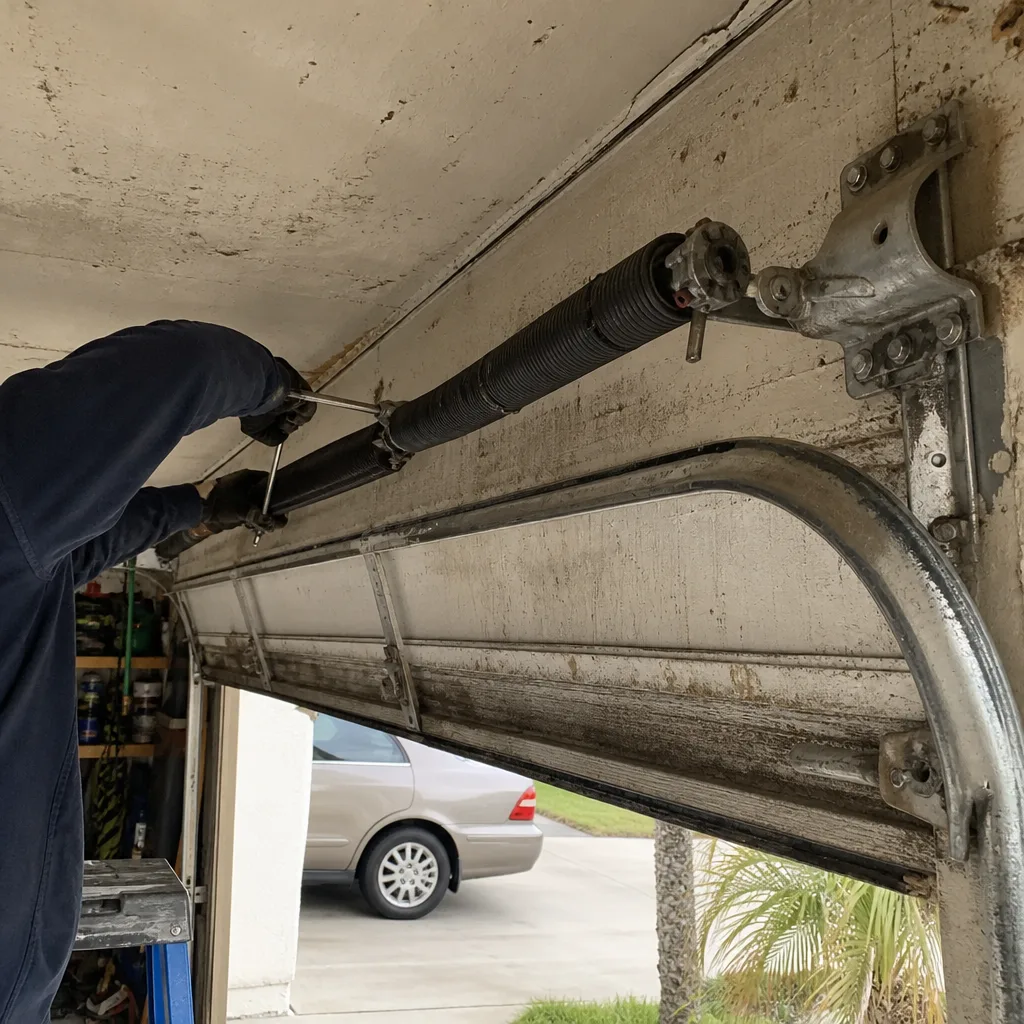 Before
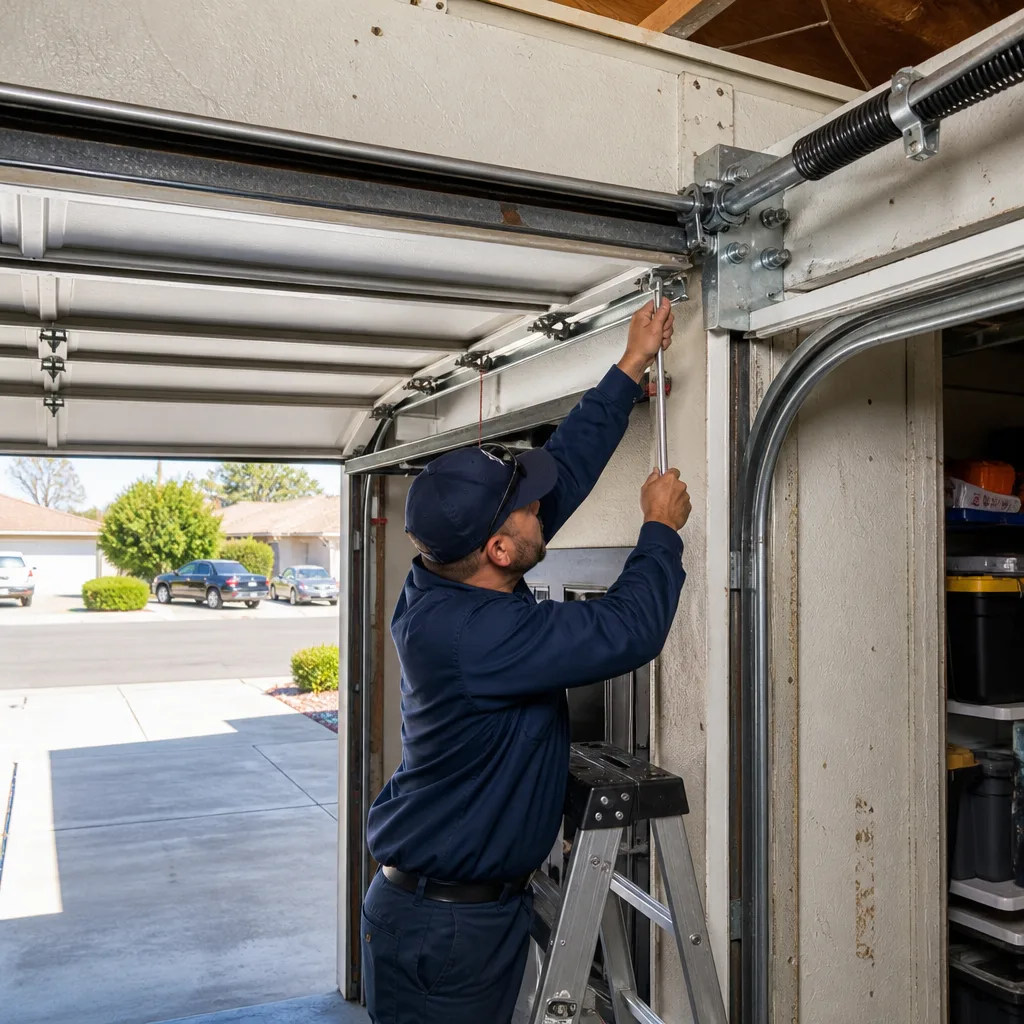 After
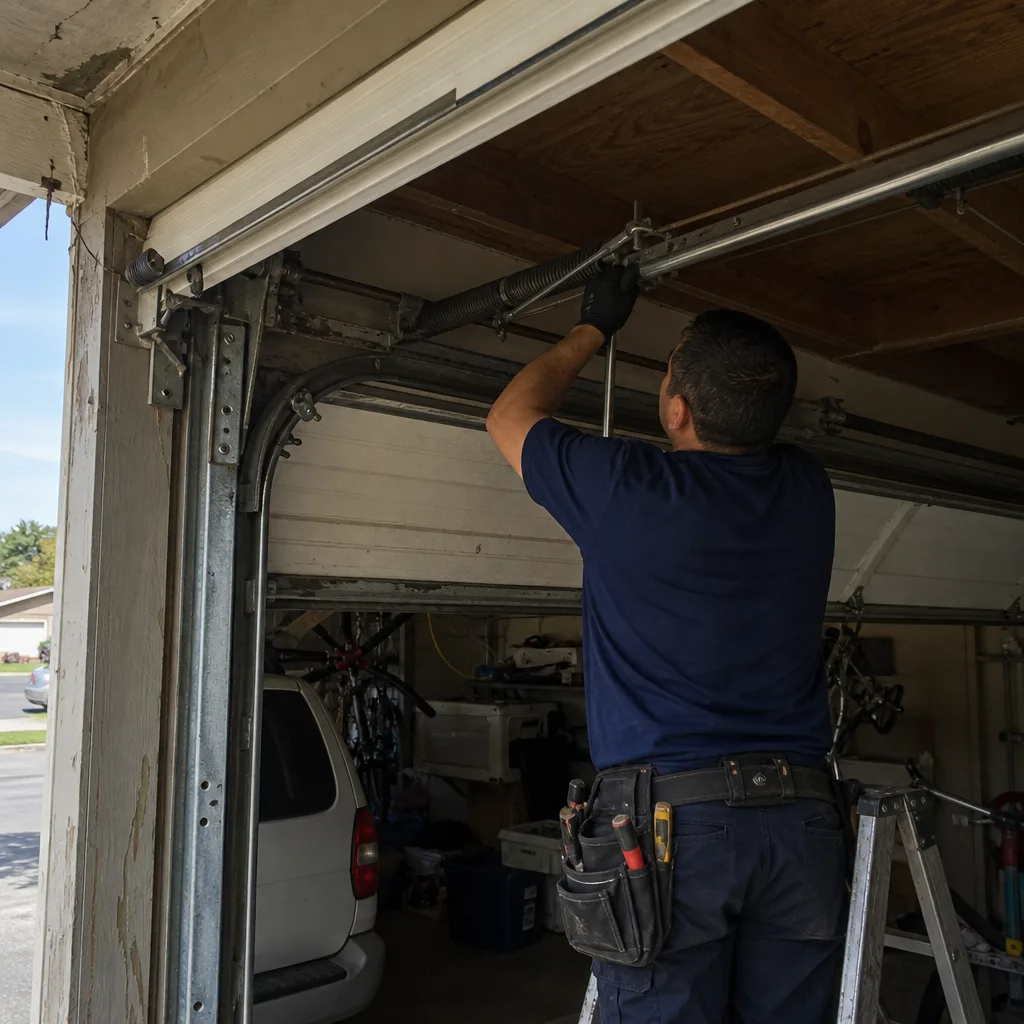 Before
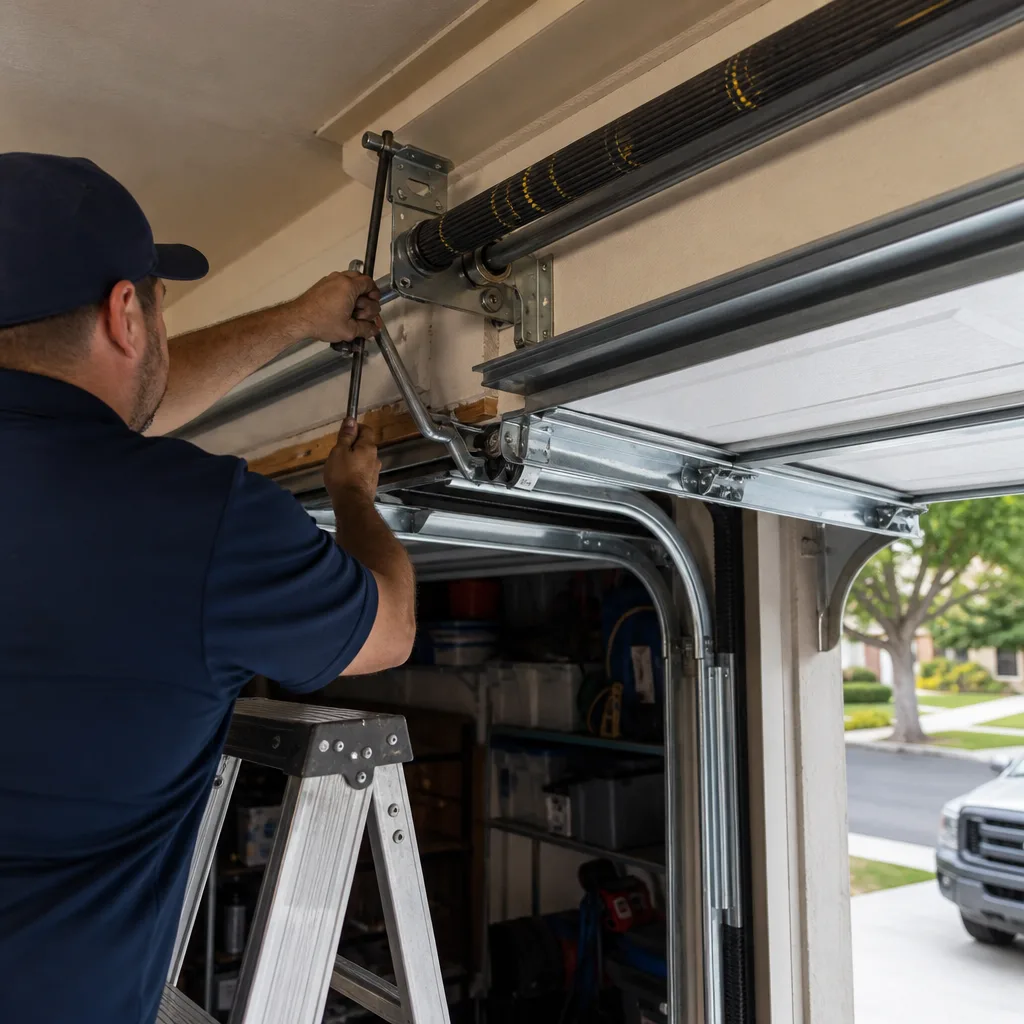 After
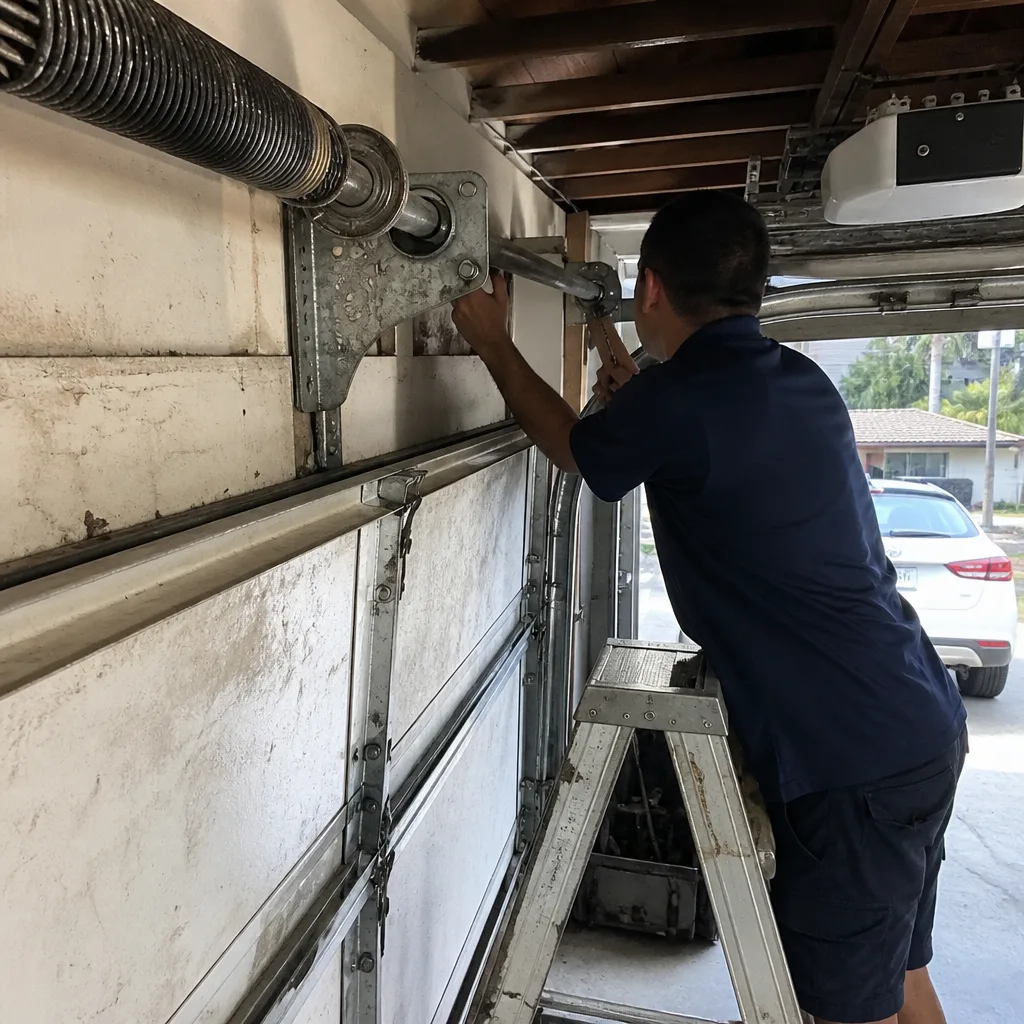 Before
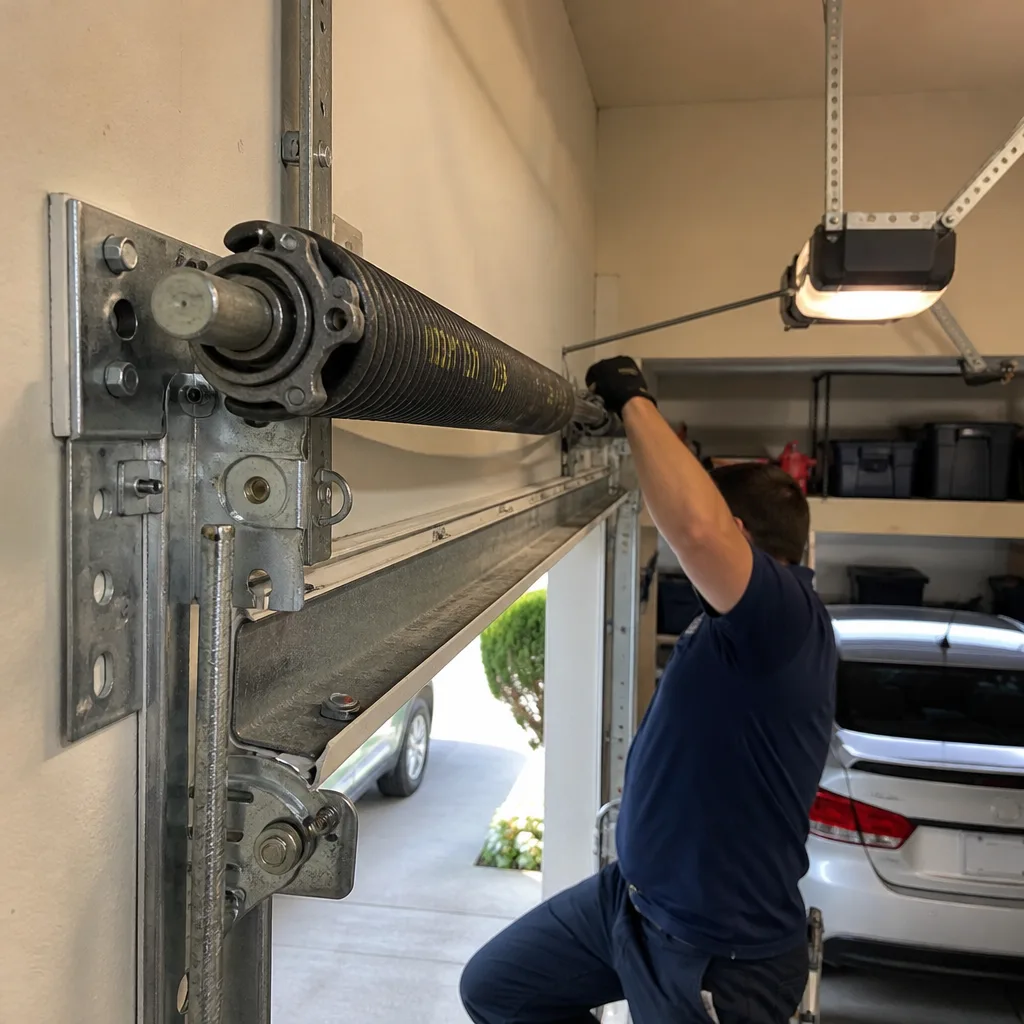 After
When to Call a Professional
Garage doors are deceptive. They look simple, but the spring and cable system operates under extreme tension, and the opener motor involves both electrical and mechanical components. If your door is off its track, if a cable is frayed or snapped, if the spring is visibly broken, or if the opener motor runs but the door doesn’t move, that’s a professional call, not a weekend project—see The Complete Garage Door Repair Guide for Huntington Beach Homeowners for what to expect. Same thing goes for any issue involving the garage door’s safety sensors or auto-reverse mechanism. Those systems exist to prevent crush injuries, and a misaligned sensor is not something to guess at. Corner Post Garage Door Repair offers free estimates in Huntington Beach, call (833) 620-3836. From the spring to the opener, the whole system works together, and it’s designed to be serviced as a unit by someone who understands all of it.
Frequently Asked Questions
Typical repair jobs run $150-$400 depending on the specific component, while full door replacements run $1,200-$3,800 for residential sizes. Coastal-rated hardware adds $20-$60 per component compared to standard inland parts. Every legitimate contractor should provide a written, itemized estimate before starting work.
Most residential garage door replacements do not require a city permit in Huntington Beach when the opening size and structural supports remain unchanged. However, if you’re widening the opening, adding a door where one didn’t exist, or modifying load-bearing framing, a building permit is required. Your contractor should know the difference and tell you before the job starts.
Go to cslb.ca.gov, click “Check a License,” and enter the contractor’s name or license number. Confirm the status shows “Active,” the classification includes C-61/D28, and workers’ comp coverage is in place if the contractor has employees. The entire process takes under two minutes.
Salt air and high humidity corrode standard hardware faster, which means coastal-rated galvanized or stainless components are required for any repair that’s going to last. These parts cost more than inland-spec hardware. A contractor quoting bargains in Huntington Beach is almost certainly not using coastal-rated materials.
Some components are universal, but many are not. Control boards, gear assemblies, and certain cable drums are brand-specific, and a technician trained primarily on one manufacturer may not diagnose another manufacturer’s equipment correctly. A multi-brand technician can fix what’s actually on your door without trying to convert you to their inventory.
Yes. Both springs are installed at the same time, carry the same load, and wear at approximately the same rate. If one has snapped, the other is close to failure. Replacing both at once costs more initially but saves the cost of a second service call, and gives you a matched pair with a full warranty. Call (833) 620-3836 for an exact quote, estimates are free.
The Bottom Line
Hiring a garage door contractor in Huntington Beach is a two-part problem: finding someone who’s actually licensed, and finding someone who understands how coastal conditions change the repair equation. The CSLB check takes two minutes and eliminates most unlicensed operators immediately. The brand questions reveal whether you’re dealing with a technician or a salesperson. The line-item estimate confirms whether the price is real or invented. And the written warranty separates professionals from gamblers. Spend thirty minutes on this process before you schedule the work, and you’ll avoid the expensive second repair that follows a bad first hire. We work on your brand, not around it, and we put every price in writing before the work begins. That’s how Corner Post Garage Door Repair has always done it, from Corner Post Garage Door Repair home service calls across the region to the daily coastal jobs that keep Huntington Beach garages running through salt air and marine layer, season after season.
Written by the team at Corner Post Garage Door Repair, serving Huntington Beach since 2015.